
Quick summary
Cathay Pacific is the clear standout for LAX to Hong Kong business class — better seat, better food, better lounge access. But prices vary wildly, and timing your booking matters. This guide covers what the product actually looks like, how it compares to American and United on the same route, and how to stop overpaying for this flight.
The LAX to Hong Kong run is about 14 to 15 hours westbound and just under 13 coming back. It's a long haul by any measure, and the difference between a good business class seat and a bad one on this route is the difference between arriving functional and arriving wrecked. I've done this route nine times across three airlines, and I have opinions.
Why this route is worth paying attention to
Hong Kong International is one of the busiest transfer hubs in Asia, which means a lot of people are connecting onward to Southeast Asia, mainland China, India. But plenty of travelers are going to HKG itself — for work, for family, for the city. The demand is consistent, which usually means fares don't drop much.
Usually. The reality is that business class prices on this route can swing from around $2,800 round-trip all the way up to $7,000+ depending on when you're looking and what's happening in the market. Error fares surface occasionally. Cathay Pacific runs sales a few times a year that bring prices down to the $2,400–$2,600 range. Those windows are short.
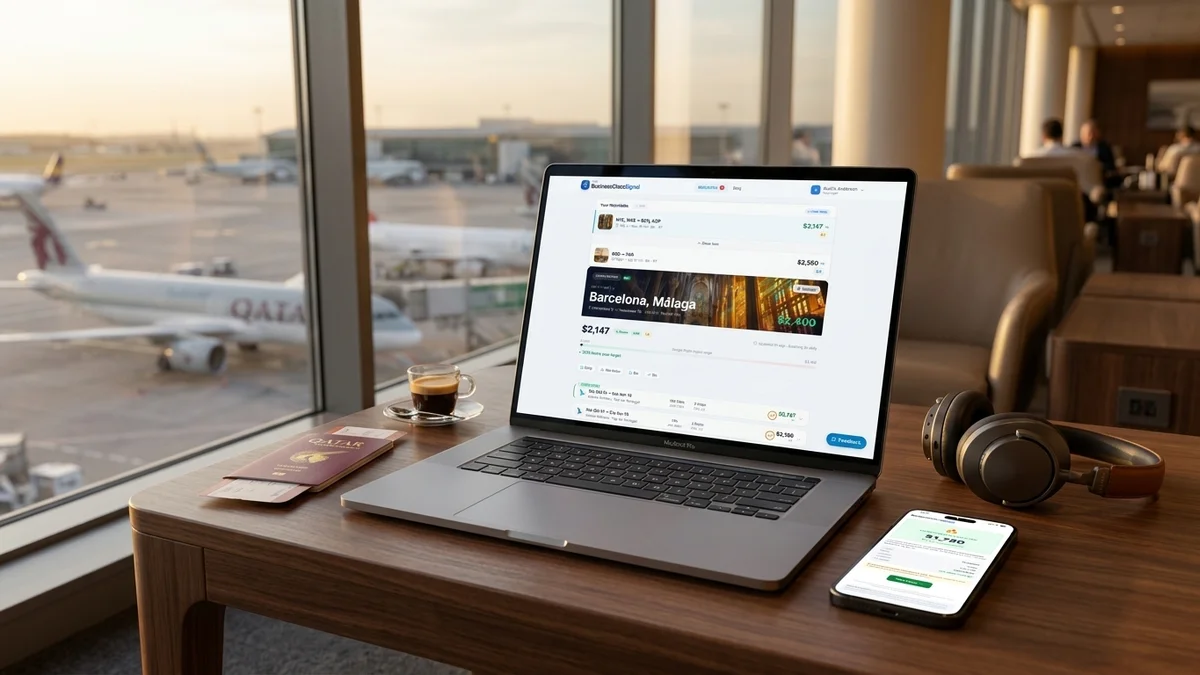
BusinessClassSignal monitors this route daily and sends alerts when fares drop below whatever threshold you set. The system scans around 800 routes twice a day, so if Cathay drops a sale fare at 6am Hong Kong time, you'll know about it before most people are awake in Los Angeles. More on that later.
Cathay Pacific business class: what it's actually like
Let me be direct: Cathay Pacific runs one of the best longhaul business class products in the sky right now. Not the absolute best — Singapore Airlines First and Qatar QSuites have that argument. But in terms of value for money and consistency, Cathay is hard to beat on this particular route.
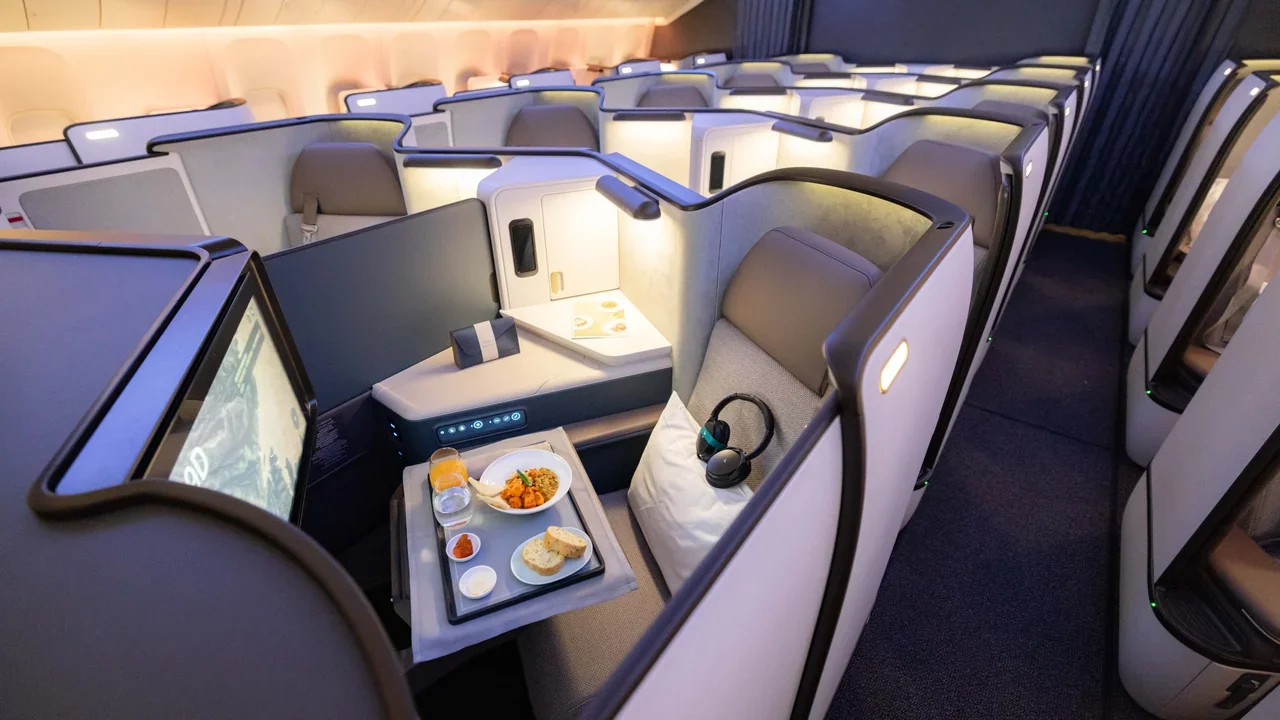
The current configuration on most LAX–HKG flights is the CX "Super Diamond" seat in a 1-2-1 layout, meaning every seat has direct aisle access. No climbing over a sleeping stranger. The seat converts to a fully flat bed just under 76 inches long, which is long enough for most people to sleep comfortably without their feet hanging off. The shell design means you get a reasonable amount of privacy even in the window seats.
One thing I appreciate that doesn't get enough attention: the storage. There's a proper shelf for your water bottle, a dedicated spot for glasses, and a small compartment that fits most toiletry kits. The United Polaris seat has better padding in my experience, but it loses badly on storage.
Seat selection tip
On Cathay's 777-300ER operating this route, the 'throne' seats — the single window seats in rows 11 and 15 — are worth grabbing if you're traveling solo. You get an extra surface to spread out on. Row 15K specifically is what I tend to go for.
The IFE screen is large (15.4 inches), responsive, and has a solid content library. Noise-canceling headphones are provided — they're decent, not Bose-level, but decent. The bedding is soft. The pajamas are made by a Hong Kong label called Bamford, which sounds like marketing but the fabric is actually good enough that I've worn them on the ground.
What's the food like on the Cathay Pacific LAX flight?
Better than most, with some caveats. The menu is designed in partnership with a rotating roster of chefs, and the meals are plated properly rather than dumped out of a foil tray. On my last CX flight out of LAX, the dinner service opened with a cold appetizer of prawn and mango salad that was genuinely good. The main course options included a braised short rib that held up reasonably well at altitude and a vegetarian congee option for those who wanted something lighter. The congee is underrated, by the way.
Breakfast before landing is solid — dim sum options, congee again, a Western egg dish. The coffee is not exceptional. That's not a Cathay problem specifically, that's altitude physics, but don't expect your morning cup to taste like anything other than airline coffee.
The bar cart has some decent options. They stock a few Cathay-exclusive cocktails — the Cathay Delight, a lychee-based thing — which is perfectly pleasant. The Champagne is Billecart-Salmon in business, which is a genuinely good choice.
How much does Cathay Pacific business class actually cost on this route?
This is where it gets frustrating. The published fare can be anywhere from $2,800 to $5,500 round-trip depending on when you're looking, and it changes constantly. Cathay runs periodic sales — they tend to surface in January/February for travel through spring, and again in September for the winter travel window. During those sales, I've seen round-trip fares drop to around $2,400, which for a 14-hour flight in a fully flat bed is genuinely reasonable.
Award redemptions are another path. Cathay's own Asia Miles program is the most direct route, and CX business class from LAX to HKG prices at 75,000 Asia Miles one-way in peak, 67,500 off-peak. That's not cheap in miles, but it's competitive with what American's AAdvantage program charges for partner awards. If you're sitting on a pile of Avios from British Airways, those can transfer to Asia Miles at 1:1 and be used for this redemption.
Set a cash fare alert at $2,600 round-trip for this route. That's the threshold where it stops being "I'll think about it" and starts being "book it now." Sales rarely go lower than $2,200.
American Airlines on this route: the honest version
American operates LAX to Hong Kong via its Flagship Business product, typically on a 777-300ER. The seats are fully flat and aisle access is available from every seat in the 1-2-1 layout. So far, so comparable to Cathay.
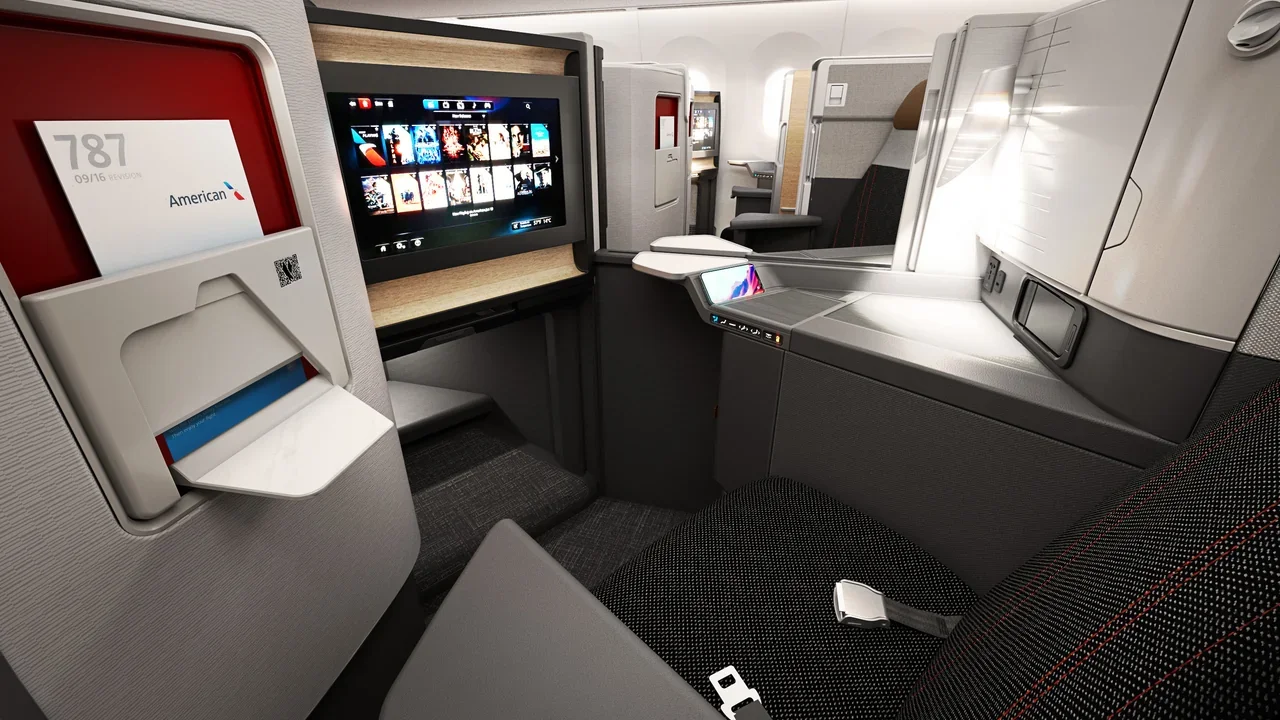
But here's where I'll be honest: the American product doesn't hold up as well in practice. The seats are fine. The food service has improved since they overhauled the catering a few years back — the main course options are better than they were, though the presentation still feels like an afterthought compared to Cathay. The IFE is functional. The bedding is decent.
What American does have going for it is price and AAdvantage availability. If you're an AAdvantage member with miles to burn, American sometimes releases partner award space on Cathay Pacific flights — meaning you can book a Cathay seat using AAdvantage miles, which is a better outcome than flying the American metal. When that space surfaces, it goes fast. BusinessClassSignal doesn't track award space directly, but our fare alerts will catch when cash prices drop to a level where paying cash beats burning miles.
American 777 seat caveat
American's 777-300ER configuration has some middle pairs that face each other, which is fine if you're traveling with someone but can feel awkward solo. The window seats in rows 4 and 5 are the ones I'd target.
The Flagship Lounge at LAX is worth knowing about. It's in the Tom Bradley International Terminal, and it's a step above the standard Admirals Club. The food spread is more substantial, there's a bar, and it's generally quieter than the main club. It's not going to make you forget the Cathay Pacific Lounge in Hong Kong, but as a pre-departure experience at LAX, it's fine.
United Polaris on LAX–HKG: strong seat, mixed execution
United's Polaris business class is a genuinely good seat. The bedding is the best of the three airlines on this route — the Saks Fifth Avenue partnership produced a duvet and pillow combination that's legitimately comfortable, and the mattress pad makes a real difference on a 14-hour flight. If your main priority is sleeping, United is arguably the most comfortable option.
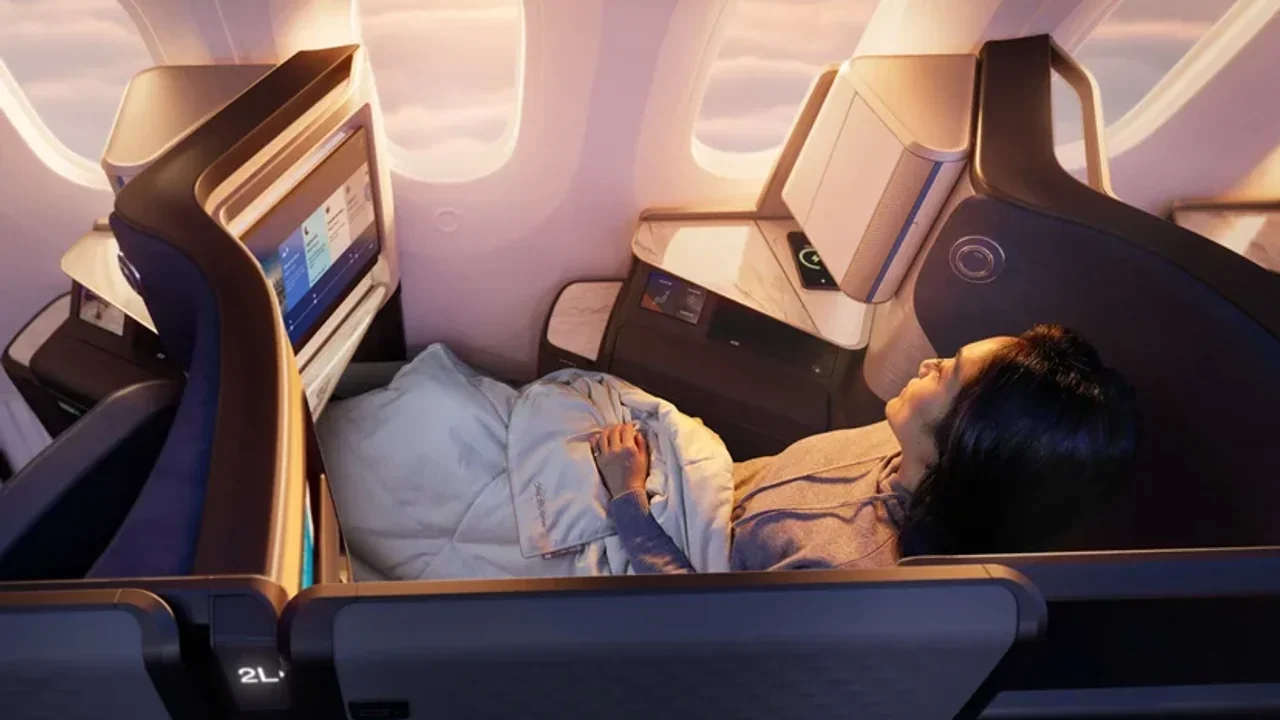
The problems are with the soft product. The food service has been inconsistent in my experience — I've had a solid meal on United Polaris, and I've had one that tasted like it was designed to meet a contract minimum. The IFE library is smaller than Cathay's. The Wi-Fi works but it's priced per flight at around $28-$49 depending on device, which feels like a nickel-and-dime move on a $3,500 ticket.
United flies this route on a mix of 777-200s and 767-300s. The 767 configuration is worth knowing about: it uses a 2-2-2 layout in some configurations, which means the middle seats require climbing over your neighbor if you're in a window. Always check the specific aircraft before you book. SeatGuru is your friend here, or just look at the seat map on the United booking page and count the columns.
The lounge situation at LAX and HKG
Pre-departure at LAX, Cathay Pacific business class passengers get access to the Cathay Pacific Lounge in the Tom Bradley International Terminal. It's on the upper level, past security. The food spread is better than most US airport lounges — there's usually a hot option, a noodle station, decent pastries. The bar is open and competent. It's not Hong Kong, but it's a good lounge by LAX standards.
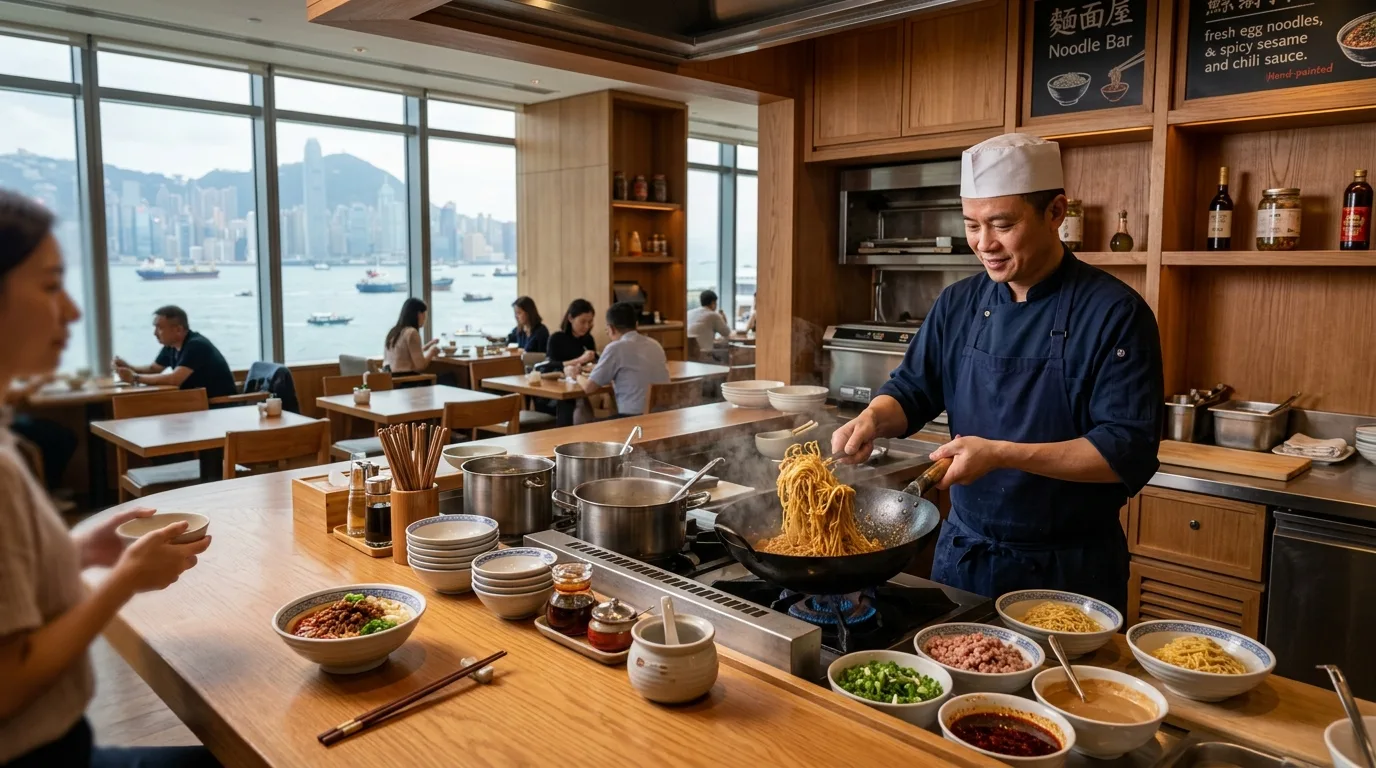
The real treat is the Cathay Pacific First and Business Class Lounge at HKG on arrival or departure. The Hong Kong lounge at Terminal 1 is a proper destination. The noodle bar alone — you can order dan dan noodles, wonton soup, congee — is better than most restaurants near most airports. There are shower suites that actually have hot water pressure. The tea selection is serious. I've landed at HKG with two hours before a connection and genuinely looked forward to the lounge time.
American and United passengers at HKG have access to the Qantas Club or similar partner lounges depending on their tier, which are decent but not in the same category.
At HKG, the Cathay Pacific lounge at Gate 65 is less crowded than the main business class lounge near the check-in area. Worth the extra five-minute walk.
When to book and how to find the right price
The LAX to Hong Kong business class market has some patterns worth knowing. Fares tend to be highest in late November through January (peak travel, holidays) and again in June and July. The sweet spots for pricing are typically February through early April and September through October. Those windows aren't guaranteed, but they're where I'd focus if you have date flexibility.
Booking windows matter too. For this route, the best cash fares tend to appear either well in advance (4-6 months out) or in a shorter window 4-8 weeks before departure when airlines are trying to fill remaining seats. The middle window — 2 to 4 months out — is often the worst time to check because demand hasn't softened yet and early-bird pricing has already expired.
Award vs. cash on this route
If you're debating miles vs. cash: at $2,800–$3,200 round-trip, paying cash is often the better call unless you have a specific miles surplus you need to use. At $4,000+, miles start looking better. Do the math on your specific situation rather than defaulting to one or the other.
I've been running BusinessClassSignal for a few years now, and this route is one of the most-monitored on the platform. The system checks fares twice daily across all three airlines operating LAX–HKG and sends you an alert when the price drops below your threshold. You set the number that makes sense for your budget — say $2,800 round-trip — and you wait. You don't have to remember to check. The alert comes to you.
If you want to start monitoring this route without committing, there's a 14-day free trial. No credit card required upfront.
What about mixed-cabin itineraries?
Some people fly business one-way and economy the other, especially when the return is subsidized by an employer or when the outbound is the one that matters for arriving rested. Completely reasonable approach. If you're pricing out the economy leg, I'd point you toward FlightKitten — it does for economy fares what BusinessClassSignal does for business class. Monitors fares across 220+ airlines and alerts you when prices drop to your target. Runs about $4.99 a month. Useful if you're building out a trip that combines both cabins.
For the economy leg specifically on LAX–HKG, Cathay's premium economy is also worth considering if the price is right. It's a meaningful upgrade from economy for a 14-hour flight — wider seat, more recline, better food — and sometimes prices within $200–$300 of economy in a sale window. Worth checking before you default to main cabin.
The lax to hong kong business class question nobody asks: is it worth it?
People ask me this more than any other question about longhaul travel. And the honest answer is: it depends on what you're doing when you land.
If you're arriving for vacation with two days of buffer, economy is probably fine. Sleep on the plane, take a melatonin, you'll live. But if you're landing and going straight into meetings, or if this is the start of a two-week trip with a packed first day — the math changes. Arriving at HKG rested versus arriving at HKG destroyed is a real functional difference, and a good business class seat on a 14-hour flight is how you get the former.
For what it's worth, I've never regretted a well-priced business class ticket on this route. I've regretted paying full fare when a sale was three weeks away. That's the part worth optimizing.
You can browse all the routes we monitor, or go straight to setting up an alert for LAX–HKG. The current average cash price for business class on this route sits around $3,200 round-trip. Set your alert at $2,600 and see what happens over the next few weeks.
One more thing worth saying about Cathay Pacific specifically: the airline has had a rough few years operationally — staffing issues post-pandemic, some schedule disruptions — but the product itself has stayed consistent. The seat hasn't changed, the catering hasn't slipped. If anything, the lounge at HKG has gotten better. I fly Cathay on this route by default when the price is within range, and I've never had cause to regret that default.
Set a fare alert for LAX to Hong Kong business class — 14-day free trial, no credit card needed
Try Free