Quick summary
US carriers have closed the gap on hard product in recent years, but on soft product — food, service, amenity kits, overall feel — Singapore, Qatar, Cathay, and Emirates still run circles around Delta, United, and American. Whether you're booking on points or cash, knowing the difference before you commit to a 14-hour flight matters more than most people realize.
The honest state of US vs international business class
I've been writing about premium cabins for twelve years. I've sat in Qatar's Qsuites on the Doha–JFK run, I've been in a Delta One suite on a transcon, I've endured American's old angle-flat seats on a red-eye to London that I'd rather forget. So when people ask me whether US carriers have "caught up" to the big international airlines, my answer is: sort of, in some places, on some planes. Which is not the same as yes.
This isn't a takedown of American carriers. Some of Delta's newer hard product is genuinely excellent. But there's a persistent myth — spread mostly by points bloggers who get comped upgrades and have financial incentive to say everything is great — that the gap between US and international business class has closed. It hasn't. Not fully. And if you're spending $4,000 or burning 100,000 miles on a long-haul flight, you deserve an honest picture of what you're actually getting.
Let's get into it.
Hard product: seats, suites, and the stuff you can actually measure
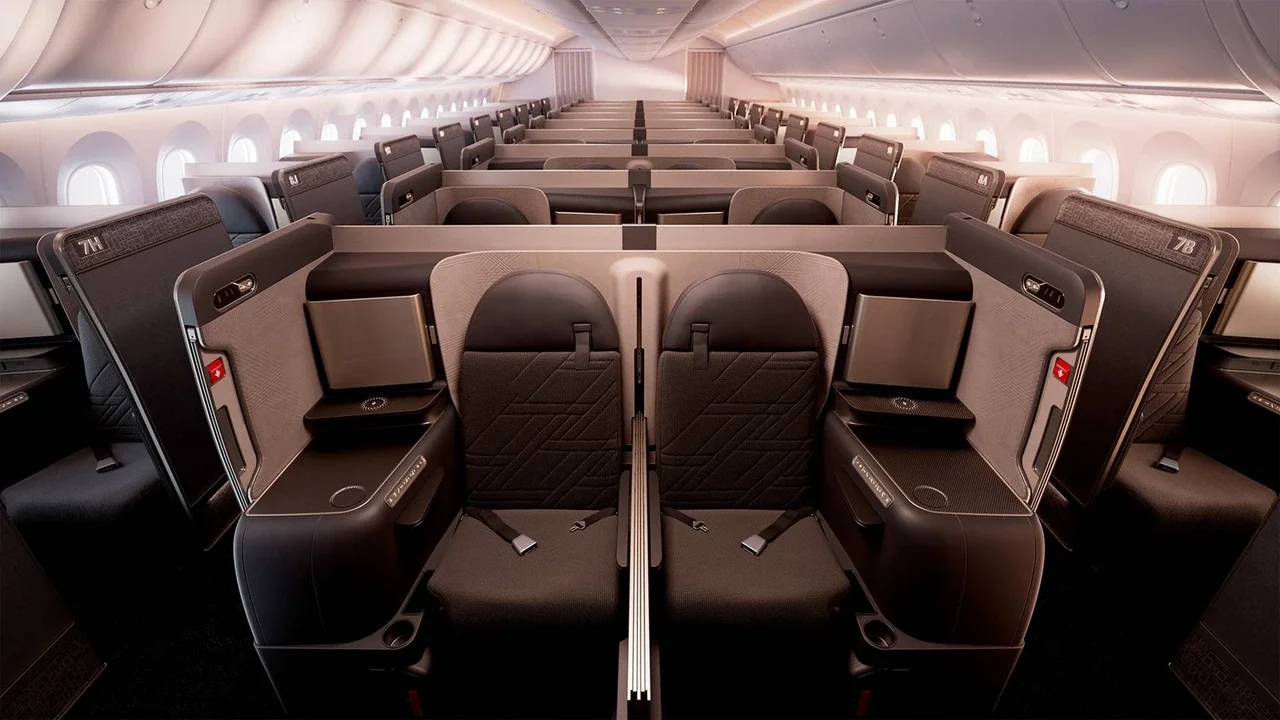
The hard product — the seat itself, the bed, the privacy, the storage — is where US carriers have made the most visible progress. Delta's One suite on widebody aircraft like the A350 and 767-400 is a proper door-to-door suite. Full-length, lie-flat, door that closes, decent storage. It's not a gimmick. I flew it JFK to CDG last spring and slept five hours without being woken up by someone walking past me. That's the baseline test, and it passed.
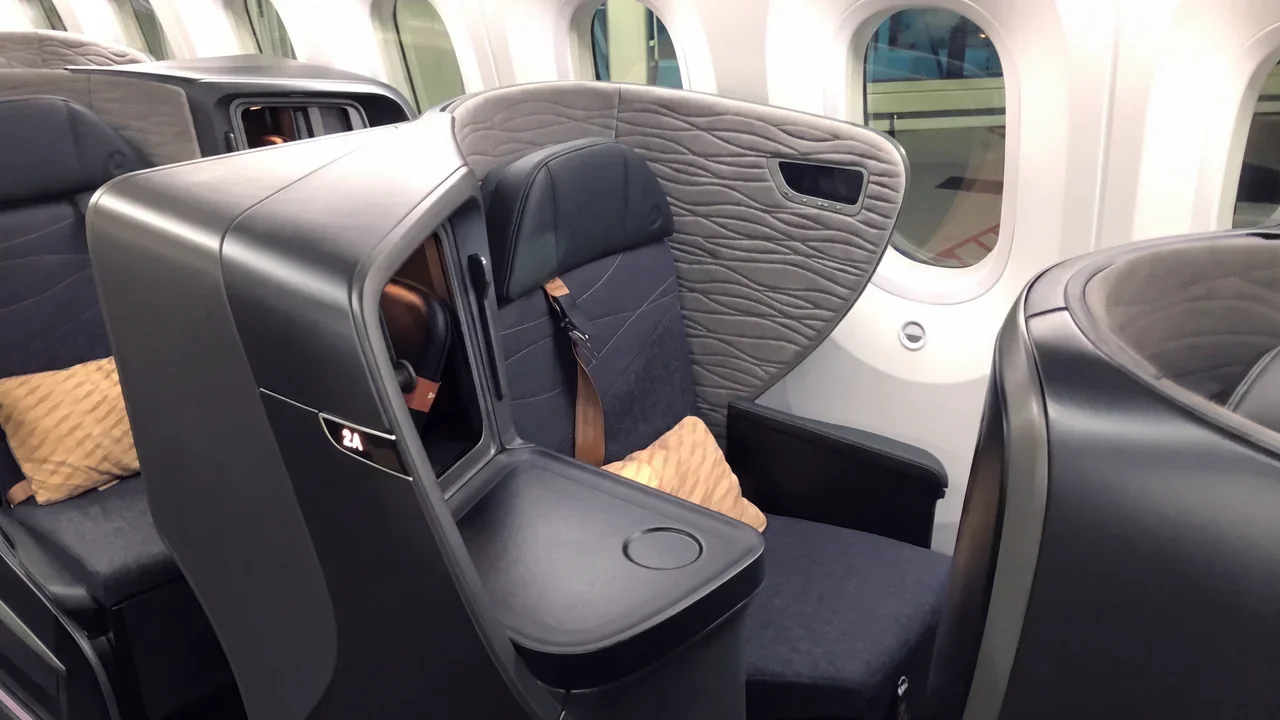
United's Polaris seat is more complicated. On newer aircraft — the 787-9, the 777-300ER in the newer configuration — Polaris is competitive. The seat is wide, the bed is flat, and the direct aisle access from every seat is genuinely useful. But United still flies older 767s and some 777-200s with a configuration that dates to another era, and those seats are cramped and angled in ways that will wreck a long sleep. Booking Polaris without checking the specific aircraft type first is a mistake I see people make constantly.
American is the most inconsistent of the three. Their Flagship Suite on the new A321XLR and retrofitted 777s is legitimately good. Their older Flagship Business product, still flying on a lot of routes, is not. No door, middle seats that require climbing over your neighbor, storage that's an afterthought. I've flown AA transatlantic in the old configuration twice and both times I arrived feeling like I'd lost an argument.
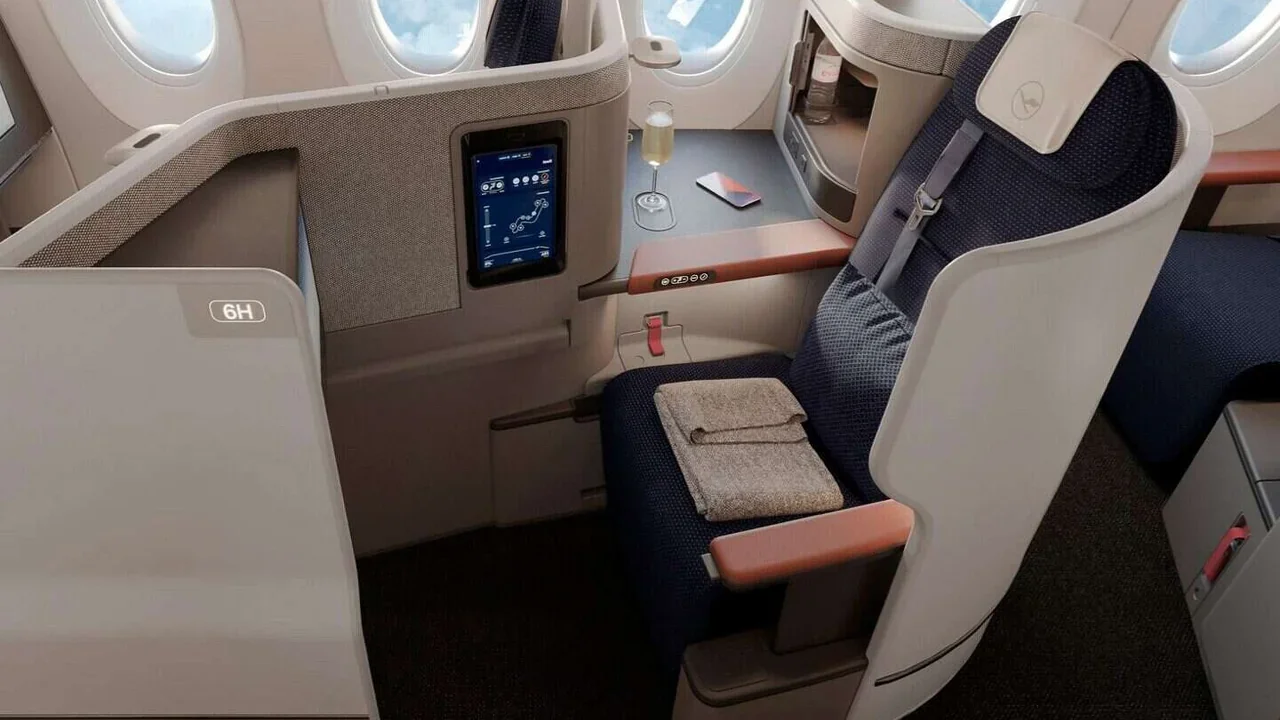
Now compare that to what Singapore Airlines is doing on their A350s and 777Xs. Their business class seat has been industry-leading for years — wide, with a proper door, a mattress topper that actually makes a difference, and a layout that doesn't require you to sleep diagonally. Qatar's Qsuites, which launched in 2017 and are still being rolled out across the fleet, remain probably the best business class seat you can buy at anything close to a reasonable price. The door, the privacy panel, the ability to create a double bed if you're traveling with someone — it's genuinely well-thought-out design.
Check the aircraft before you book
On any US carrier, the business class experience varies enormously by aircraft type. On United, a 787-9 is a very different product from a 767-300. Always check the specific plane on SeatGuru or the airline's own seat map before committing.
Cathay Pacific's business class on the A350 is one I keep coming back to as a benchmark. The seat itself is slightly narrower than Qsuites, but the build quality, the screen size, the mattress pad — everything feels considered. Emirates' business class on the 777 is showing its age in some configurations, but their A380 upper deck business cabin is still a great experience and the bar is, obviously, the bar.
The honest scorecard on hard product: Singapore, Qatar, and Cathay lead. Delta One suite is in the conversation. United Polaris (on the right plane) is competitive. American is a wildcard. Emirates is somewhere in the middle depending on the aircraft.
What about the bed?
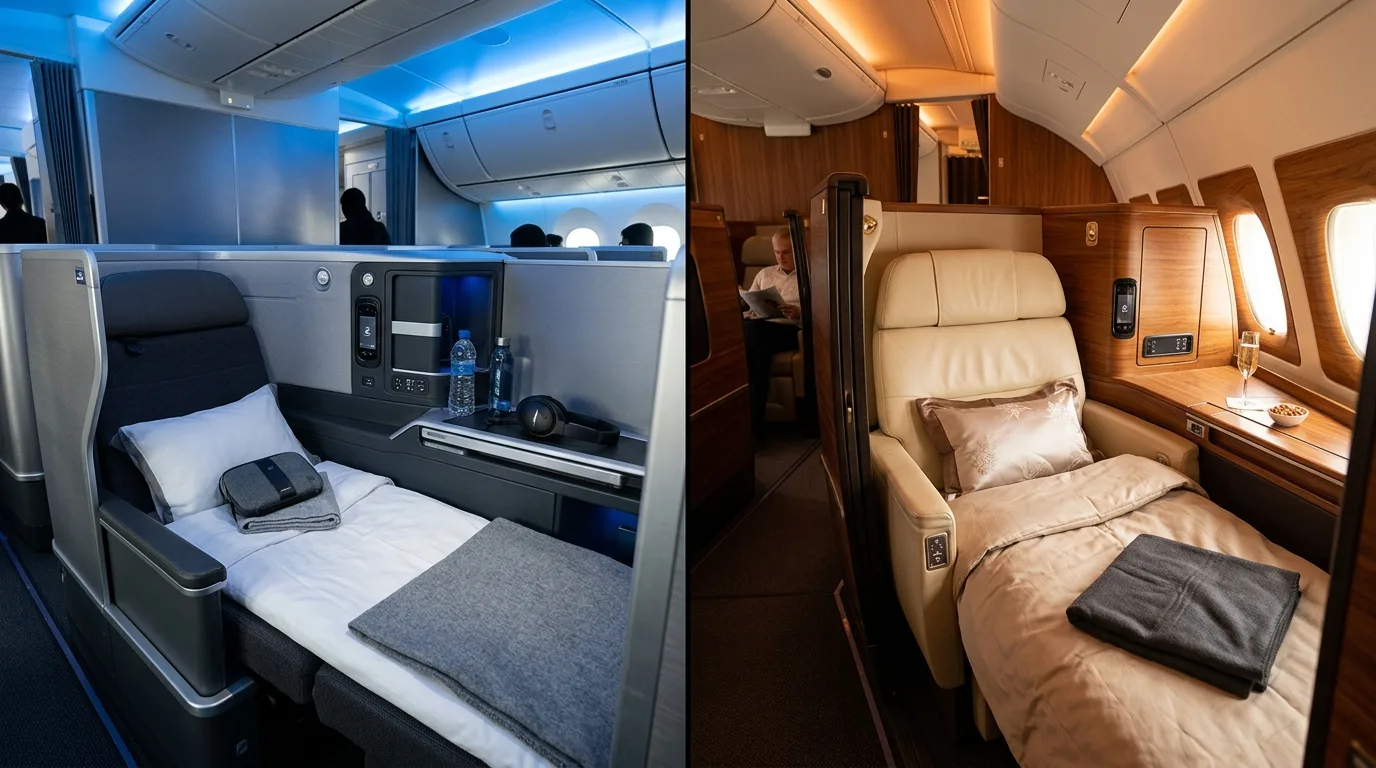
Flat is table stakes now. But there's flat and then there's actually comfortable. The difference usually comes down to width, mattress quality, and whether you're sleeping at an angle or straight.
Qatar's Qsuites bed measures about 78 inches long and nearly 26 inches wide in the widest part. Singapore's A350 business bed is similar. By comparison, some of United's Polaris configurations on older 777s measure closer to 22 inches at the shoulder — which sounds fine until you've spent nine hours trying to stay on it. Delta's suite is 76 inches long, and in my experience the mattress topper they provide is one of the better ones among US carriers.
Emirates hands out a proper Bvlgari amenity kit in business on most long-haul flights and their bedding is decent, but the turndown service varies a lot by crew. I've had Emirates crews who were attentive and warm, and I've had crews who seemed annoyed to be there. Which brings me to the part of this where the gap really shows.
Soft product: where international carriers still dominate
This is the one. Service, food, amenity kits, the general feeling of being looked after versus processed — this is where the difference between US and international business class is most stark, and where it's hardest to close, because it comes down to culture and training rather than hardware you can just buy.
On a Singapore Airlines flight, I've had crew members remember my drink order from the beginning of the flight and bring it without being asked three hours later. On a Delta One flight last year, I asked for a refill on water twice before giving up. Neither of these is a scientific sample. But they're representative of patterns I've noticed over 200-plus segments, and I hear the same from readers consistently.
The food gap is real. Qatar's catering on long-haul flights — especially routes through Doha to Asia or Africa — is a genuine meal service. Multiple courses, actual tableware, a wine list that doesn't feel like an afterthought. I had a lamb ouzi on a QR flight to Nairobi that I still think about. American's transatlantic food in Flagship Business has improved in recent years, but the portion sizes are still small, the presentation is airline-standard, and the "dine on demand" concept — which sounds premium on paper — often means your food arrives cold because the galley is overwhelmed.
Delta has invested more in catering than any other US carrier. Their partnership with chef Michelle Bernstein on certain routes produces genuinely good food, and their domestic Bloody Mary mix is a running joke that's actually earned. But the gap between Delta One food and Singapore Suites food isn't subtle.
Does the airline matter more than the route?
Sometimes, yes. Especially on routes where multiple carriers compete and the price is similar. Take JFK to Singapore. You can fly Singapore Airlines direct on an A350 with the soft product described above. Or you can connect through a hub on United or American, potentially on a worse aircraft, with a less attentive crew and food that's a step down. The price difference at retail is sometimes only $300–$500 round-trip. On a 20-hour journey, that math changes quickly.
Where it gets more complicated is on routes where only US carriers fly nonstop, or where the connection time on an international carrier adds six hours to your trip. Los Angeles to Chicago in Delta One is a different calculation than Los Angeles to Dubai on Emirates. One is a domestic premium experience that's perfectly fine. The other is a 16-hour international flight where every detail of the soft product is going to matter.
Value: what you're actually getting per dollar
This is where things get genuinely interesting, because the price gap between US carriers and their international competition is smaller than people assume — and sometimes runs the other way.
On the transatlantic, British Airways and Virgin Atlantic routinely price their business class below what Delta and United charge for the same city pair. A JFK–LHR round-trip on BA can drop to $2,200 when there's a sale, while Delta One on the same route often sits at $2,800–$3,400. That's a meaningful gap, and BA's Club Suite on the A350 is a better hard product than Delta's older 767 configuration on some transatlantic routes.
On transpacific, the value math is more complex. Cathay Pacific regularly runs promotions on their JFK–HKG route, sometimes pricing round-trips at $2,600–$2,900 on their A350 business class. That's extraordinary value for what is genuinely a top-tier product. United's Polaris on the same corridor — depending on the aircraft — can be $3,200+ and may land you on an older 777-200.
The catch with international carriers is that you're often connecting, which adds time and complexity. A Cathay Pacific ticket from JFK to Bangkok routing through Hong Kong adds hours to your trip compared to a Thai Airways nonstop (when those exist) or even a connecting itinerary on United. For some people, the extra time is worth it for the product. For others, getting there faster matters more than the mattress topper.
If you're booking for sleep quality on a long-haul, prioritize the bed width over price. A $200 premium for Qsuites over a narrower seat is worth it on anything over 10 hours.
On points redemptions, the picture shifts again. United miles are often the best way to book Singapore Airlines business class at saver rates — when availability exists. American miles can get you on Qatar Qsuites at reasonable redemption rates. So if you're optimizing on points, you might be booking an international carrier's product with US airline miles, which changes the "US vs international" framing entirely.
Lounges: a quick word because they matter more than people admit
A 14-hour flight starts before you board. The lounge experience is part of the overall business class value, and it's another area where international carriers tend to outperform.
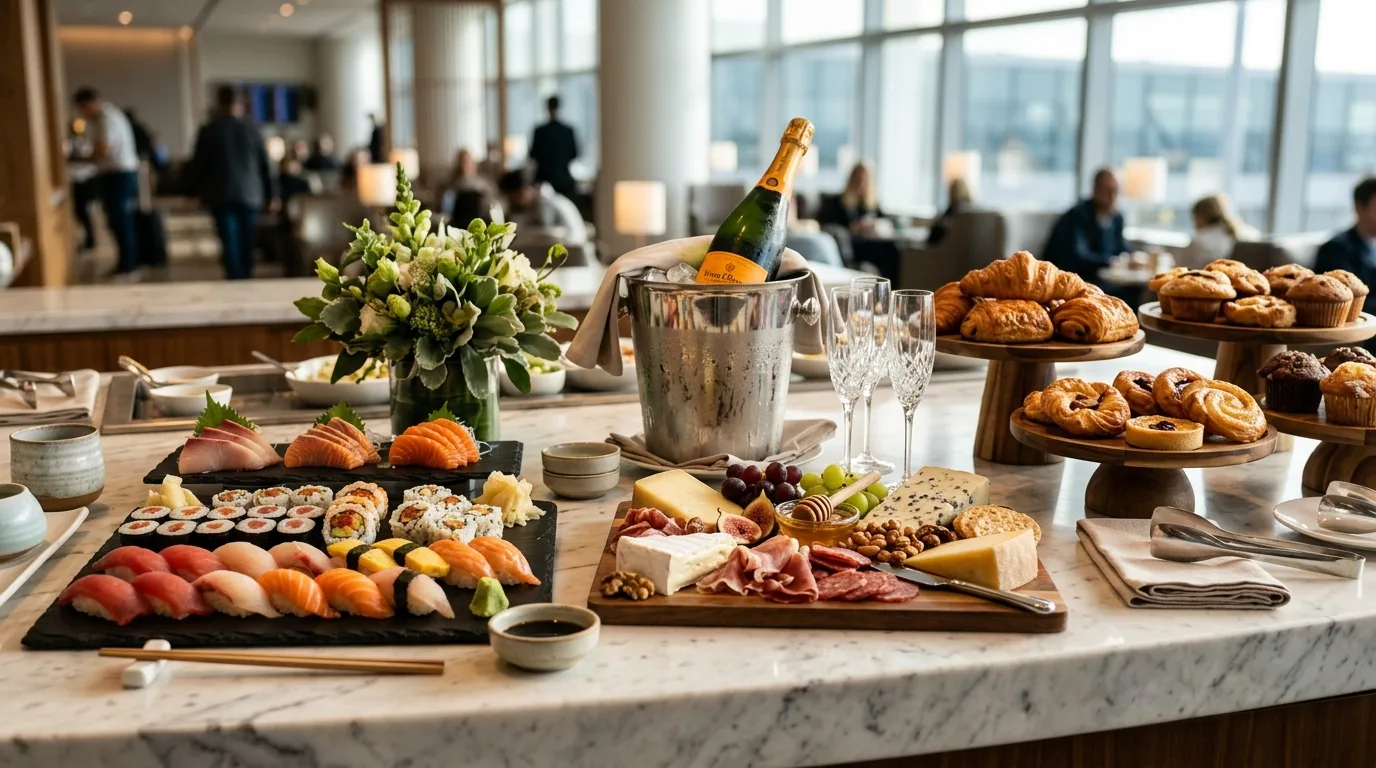
Qatar's Al Mourjan lounge in Doha is enormous and genuinely impressive — hot food, a la carte dining, quiet zones that actually work. Singapore's SilverKris lounge at Changi is consistently excellent. Emirates' lounges at DXB have that slightly over-the-top quality that some people love and I find mildly exhausting, but the food selection is hard to argue with.
The Admirals Club at JFK? Fine. The United Club at ORD? Mediocre at best. Delta's Sky Club product has been actively getting worse as they've restricted access — the overcrowding issue at major hubs is real, and the food quality has slipped. The Centurion Lounge network (which AA cardholders can sometimes access) is better, but it's not an airline lounge.
Delta One passengers get access to Delta Sky Club, which is fine. But it's not a lounge built for business class passengers specifically — it's a general-admission lounge that business class passengers happen to use. The distinction matters when you're sitting next to someone eating Cheetos at 6am before a redeye.
Delta Sky Club access has gotten harder
Delta has been tightening Sky Club access rules since 2023. Even some Delta One passengers on certain tickets face restrictions. Check your specific fare class before assuming you're in.
When US carriers actually make sense
I want to be fair here, because this isn't a blanket endorsement of flying 16 hours to Doha just to get on a Qatar flight. There are real scenarios where US carriers are the right choice.
Domestic premium travel is almost entirely a US carrier proposition. Delta One between JFK and LAX is a perfectly good product for a 5-hour flight. You're not sleeping flat, but the seat is wide, the food is decent, and the Sky Club access is a genuine perk. American's Flagship Business on transcon routes is similarly solid. There's no international carrier competing on these routes.
On some transatlantic routes, Delta's newer product genuinely competes. If you're flying JFK to CDG on a Delta A350 or 767-400 with the new suite product, you're getting a door, a flat bed, reasonable food, and Sky Club access. That's a complete business class experience. It's not Singapore Airlines, but for a 7-hour flight, the gap matters less.
Customer service recovery — what happens when things go wrong — is also sometimes better with US carriers for US-based travelers. The ability to call a US-based number, change a ticket without language barriers, or get a rebooking handled quickly has real value. I've had complicated rebooking situations on international carriers where the process was slow and frustrating in ways it wouldn't have been on a domestic carrier.
If you're comparing economy options alongside a business class booking — say, flying business one way and economy the other — FlightKitten monitors economy fares across 220+ airlines the same way we monitor business class fares here. It's about $5 a month and alerts you when your target route drops. Worth having if you're planning a mixed-cabin trip or sending a travel companion economy while you're up front.
How to actually find the good fares on international carriers
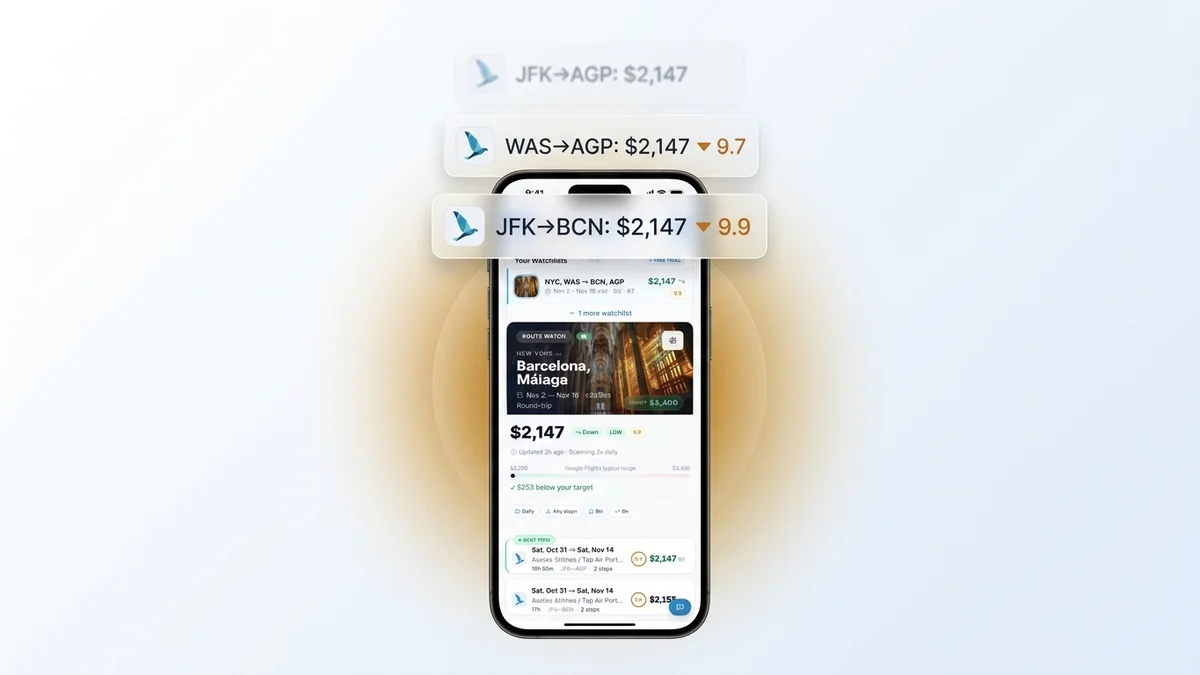
This is where I'll be direct about what we do. BusinessClassSignal monitors 800+ business class routes twice daily, and a meaningful chunk of the best fares we catch are on international carriers — Qatar, Singapore, Cathay, Emirates — where flash sales and mistake fares appear and disappear in hours. The Cathay Pacific JFK–HKG sale I mentioned earlier? We caught it at 6:15am on a Tuesday. By 2pm it was gone.
The pattern with international carrier sales is that they tend to be short windows, often tied to specific departure date ranges, and they don't always show up on Google Flights or Kayak at the right price. Airline revenue management systems are complicated, and sometimes a fare drops to a price that's genuinely surprising — $1,800 round-trip to Tokyo in business class on ANA, for example, which we caught last fall. Those fares don't wait for you to check manually.
Set alerts for your route on both the carrier's own site and through a monitoring service. International carriers sometimes load promotional fares directly to their own booking engine first, before GDS systems pick them up.
On the US carrier side, we catch Delta One flash sales and United Polaris fare drops regularly too. Delta in particular runs targeted email promotions to SkyMiles members that sometimes price business class at genuinely competitive levels. The trick is that these sales are often for travel within a narrow 6–8 week window, so you need to be flexible.
Browse the routes we monitor if you want to see what's currently tracking below average. The transatlantic corridor has been particularly active lately.
The verdict, for what it's worth
If you have flexibility on carrier and routing, and you're flying more than 9 hours, an international carrier is almost always the better experience. Qatar Qsuites, Singapore business class on the A350, Cathay on the same aircraft — these products are better than what US carriers offer in most measurable ways, and the price premium is often smaller than you'd expect.
If you're flying transcon domestically, or on a 6–7 hour transatlantic where the sleep quality gap matters less, US carriers — especially Delta on newer equipment — are a perfectly reasonable choice. The loyalty program benefits, the lounge access, and the customer service infrastructure matter too.
The worst outcome is booking a US carrier on an older aircraft configuration because you assumed the business class product was consistent, or because you didn't check the specific plane. That's avoidable. Check the aircraft. Check the seat map. Know what you're getting before you hand over $3,500 or 100,000 miles.
The second worst outcome is overpaying for an international carrier when the same product is available for $800 less if you wait three weeks for a fare drop. That's also avoidable.
BusinessClassSignal monitors 800+ business class routes and alerts you when prices drop below your target — including Qatar, Singapore, Cathay, and Emirates. 14-day free trial, no credit card required.
Start free trial