Quick summary
Fuel surcharges on international business class routes are rising fast in early 2026, with Cathay Pacific and Asiana leading the increases. This tracker breaks down which airlines are adding the most to your ticket price, which carriers are hedged against further pain, and how to monitor fares before the next round of adjustments hits — many carriers are now reviewing surcharges every two weeks.
If you've been watching business class fares to Asia or Europe over the past few months and wondering why the numbers keep shifting, fuel surcharges are a big part of the answer. They're not new — airlines have been tacking them onto tickets since the oil price spikes of the early 2000s — but the pace and scale of increases in Q1 and Q2 2026 is notable even by historical standards.
This isn't an abstract financial story. If you're booking a round-trip to Hong Kong or Seoul in the next few months, you could be looking at several hundred dollars more per leg than you'd have paid in January. And because these adjustments are happening on rolling two-week cycles at some carriers, prices that look reasonable today may look very different by next Thursday.
What fuel surcharges actually are — and why they're confusing
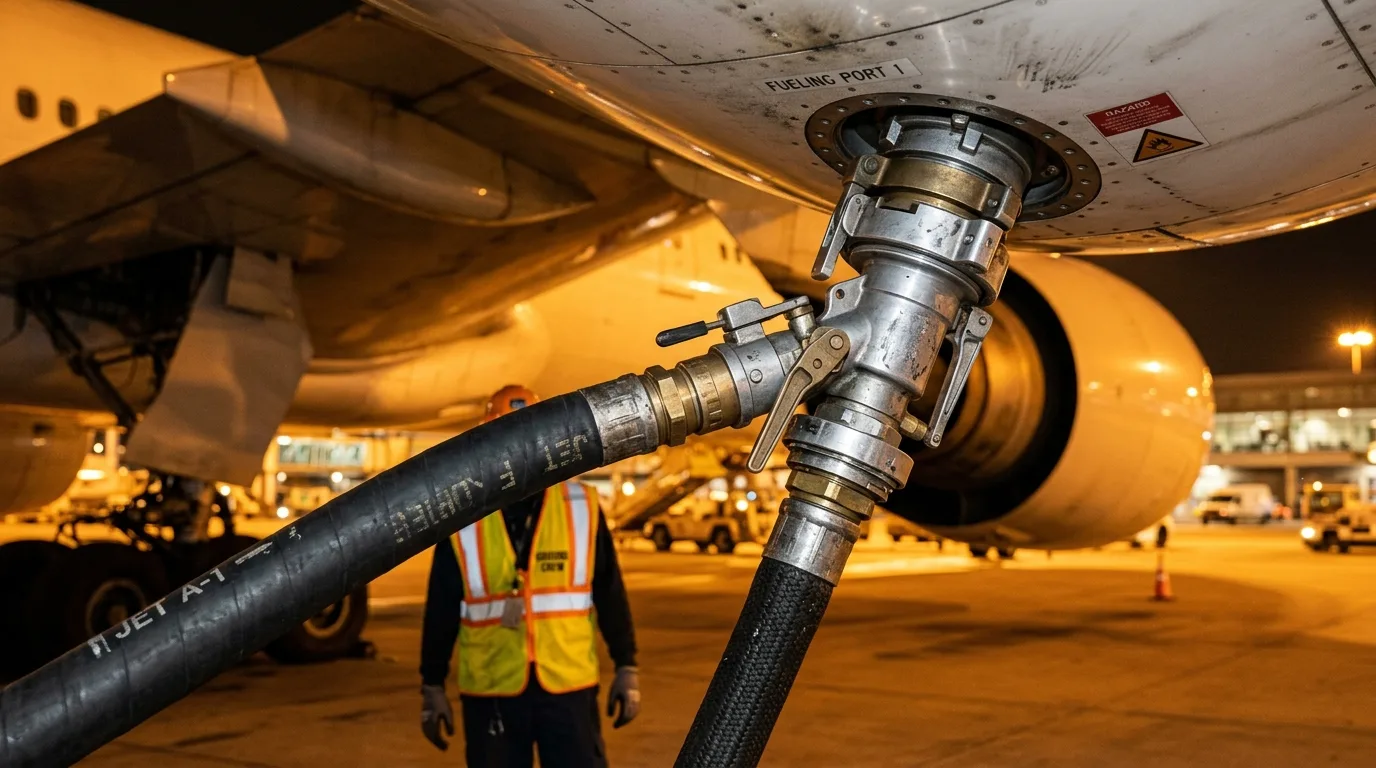
A fuel surcharge, in theory, is a separately itemized fee airlines add to a base fare to recover fuel costs. In practice, it's become something messier. Some airlines list it as a discrete line item — you'll see "YQ" or "YR" on your ticket breakdown, which is the IATA code for carrier-imposed surcharges. Others have folded it entirely into the base fare, making it impossible to isolate without comparing historical pricing data.
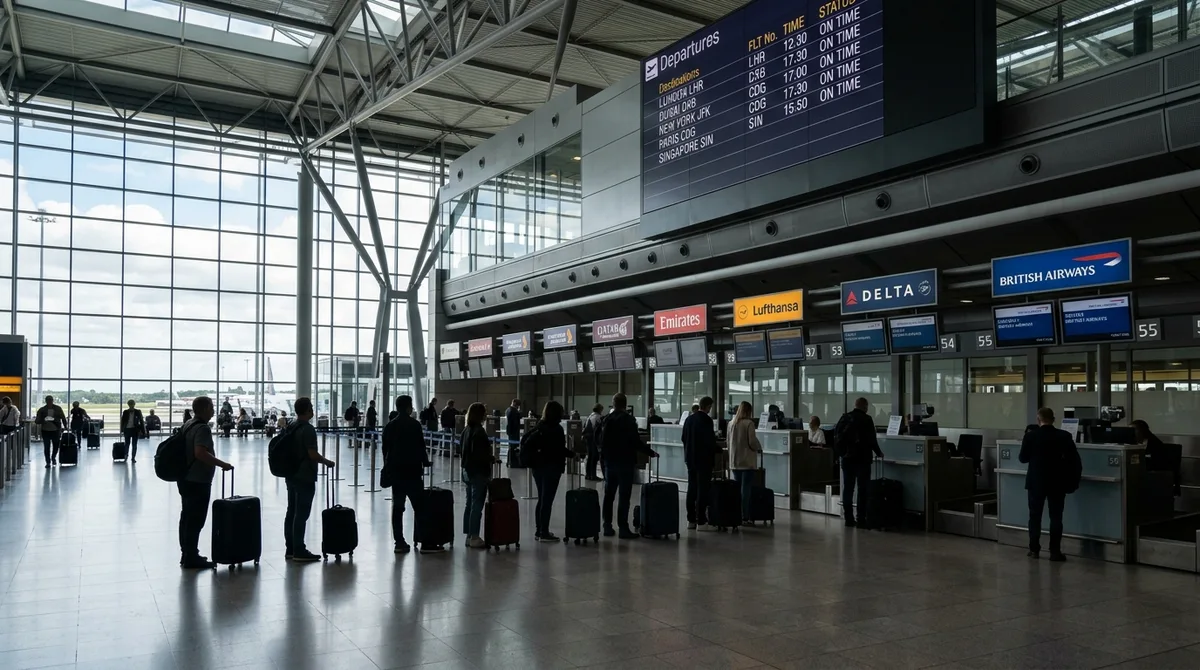
US carriers have largely gone the latter route. Delta, United, and American don't publish a separate "fuel surcharge" in most markets. That doesn't mean they're not passing costs along — they absolutely are — it just means the increase shows up as a base fare hike rather than a line item, which makes comparison harder.
Asian and European carriers tend to be more transparent. Cathay Pacific, Asiana, and Air India all publish surcharge schedules by route and cabin class, which makes it easier to track what's actually happening. The tradeoff is that when those published numbers go up, the sticker shock is more visible.
Award bookings aren't immune
Fuel surcharges (the YQ/YR fees) often apply to award tickets too, especially on European and Asian carriers. A "free" business class redemption on British Airways long-haul can still carry £600+ in surcharges and taxes. Check the cash fee total before you get excited about that points redemption.
The airlines raising surcharges the most right now
Let's get into the specifics, because that's what actually matters when you're deciding whether to book now or wait.
Cathay Pacific
Cathay is the most aggressive mover in this cycle. The airline doubled its fuel surcharges on long-haul routes effective March 18, 2026. That alone would be significant. But then they announced a further increase of roughly 34% on top of that, effective April 1. Read that again: double, then add 34%.

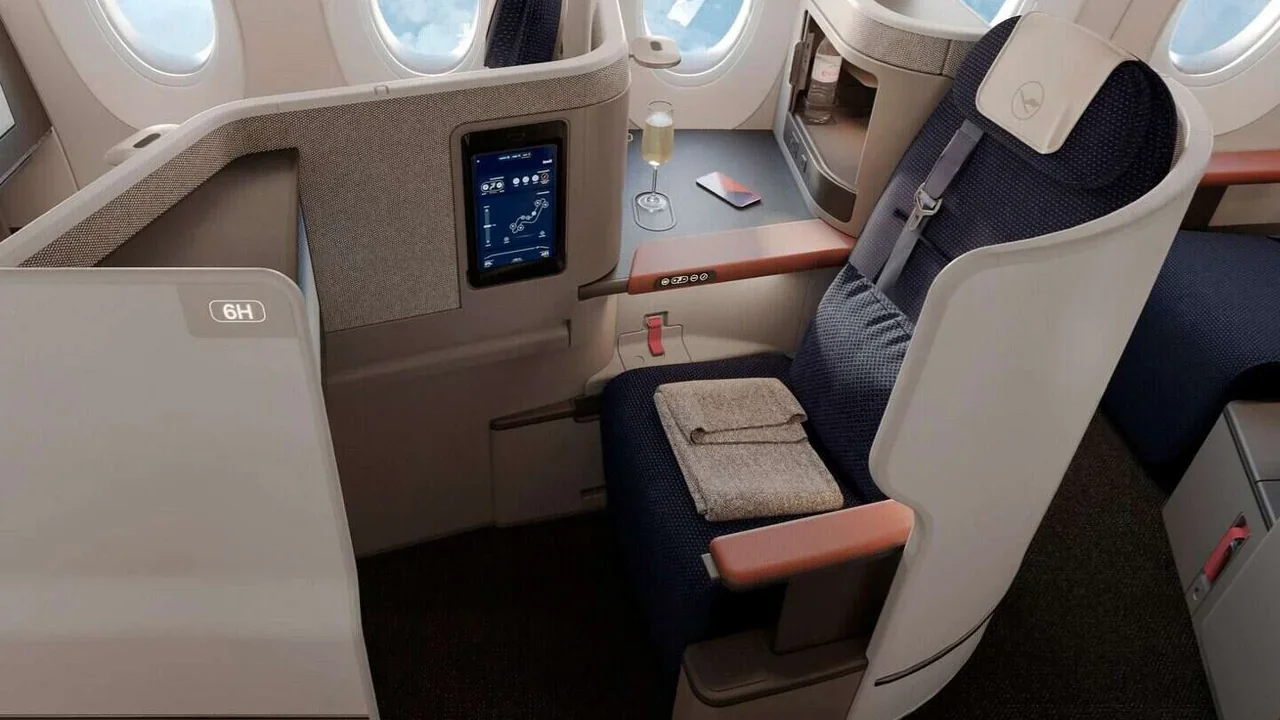
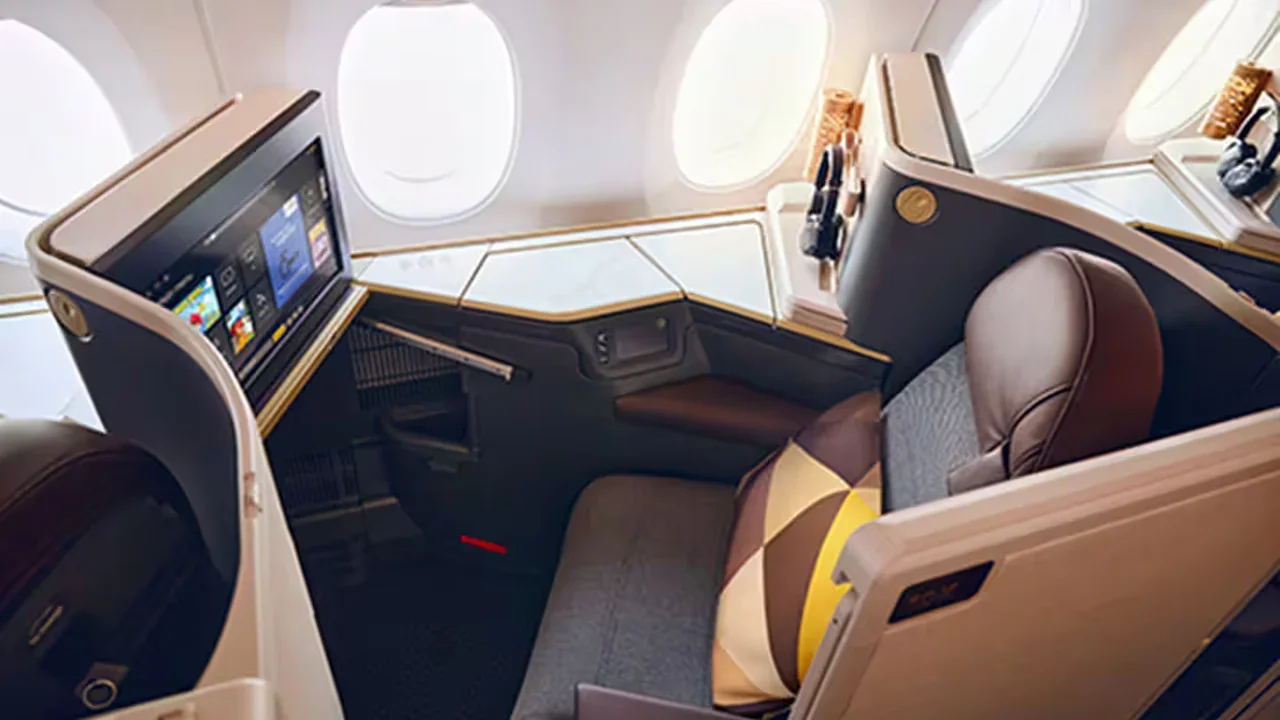
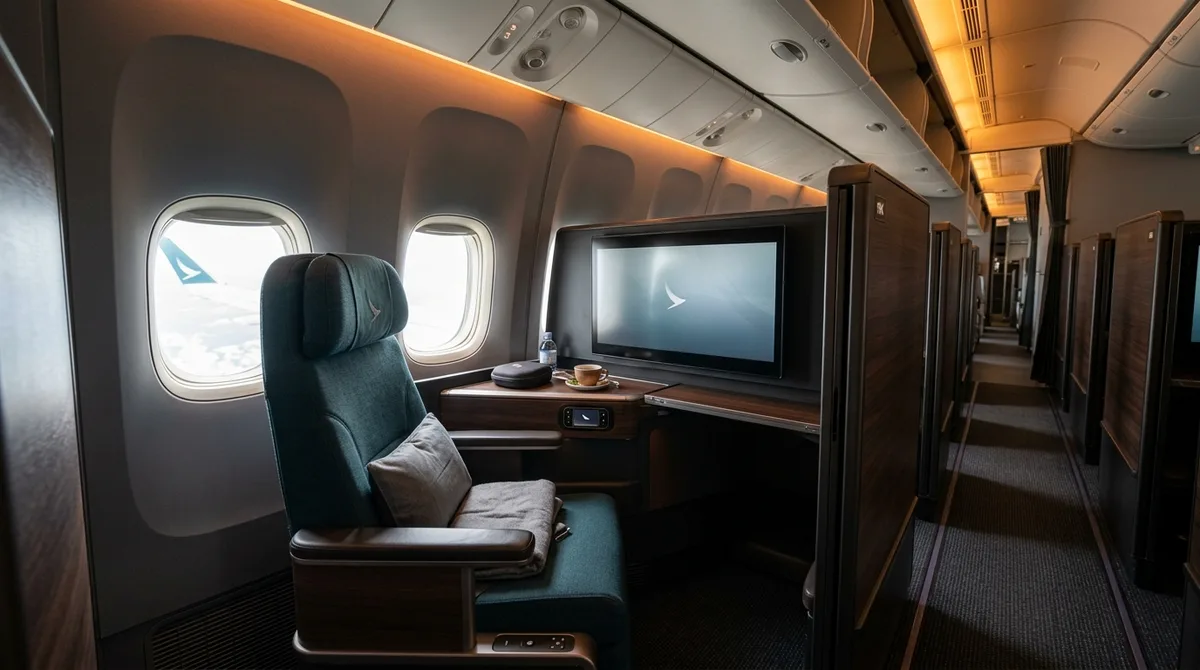
Part of what makes this particularly sharp is Cathay's hedge position. At roughly 30% of crude oil exposure hedged for 2026, they're among the most exposed major carriers in the world. They don't have a financial cushion absorbing the pain on their end, so they're passing it straight through to passengers. I've flown Cathay Pacific business class probably a dozen times over the years — the product is genuinely excellent, especially on the A350 — but the pricing environment right now is punishing.
Asiana Airlines
Asiana adjusted its surcharge structure by cabin class effective April 1, 2026. Business class passengers on certain North American routes are now looking at $405 per leg in fuel surcharges. That's $810 round-trip before you've paid a dollar of base fare.
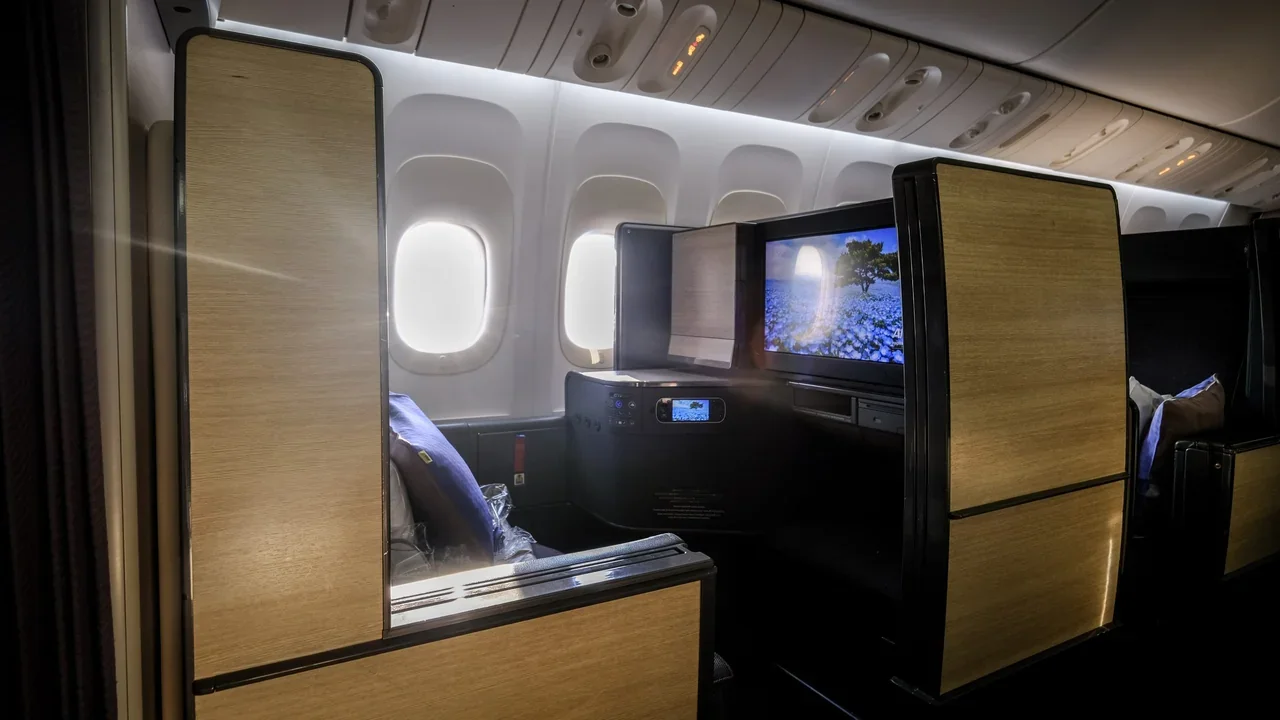
Asiana differentiating by cabin is interesting. It suggests they're calibrating how much each market will absorb rather than applying a flat increase across all classes. Business class passengers are, correctly, assumed to be less price-sensitive — so they're getting hit harder. Whether that assumption holds as the increases stack up is another question.
Air India
Air India has been doing this in phases, which is slightly less alarming in any given week but adds up over time. Long-haul surcharges for North American and Australian routes are reaching up to $280 per leg by mid-April 2026.
Air India's product has improved considerably since the Tata acquisition — I wrote about the Air India A350 business class last year and came away more impressed than I expected — but the surcharge trajectory is something to watch, especially on routes to Mumbai and Delhi where competition from other carriers gives you some alternatives.
Air France-KLM
The Air France-KLM group has pushed through business class increases of up to €360 (about £300) on round-trip long-haul fares. This is somewhat ironic given that Air France-KLM is actually the most hedged major carrier in this tracker at 87% coverage — they have more fuel price protection than almost anyone.
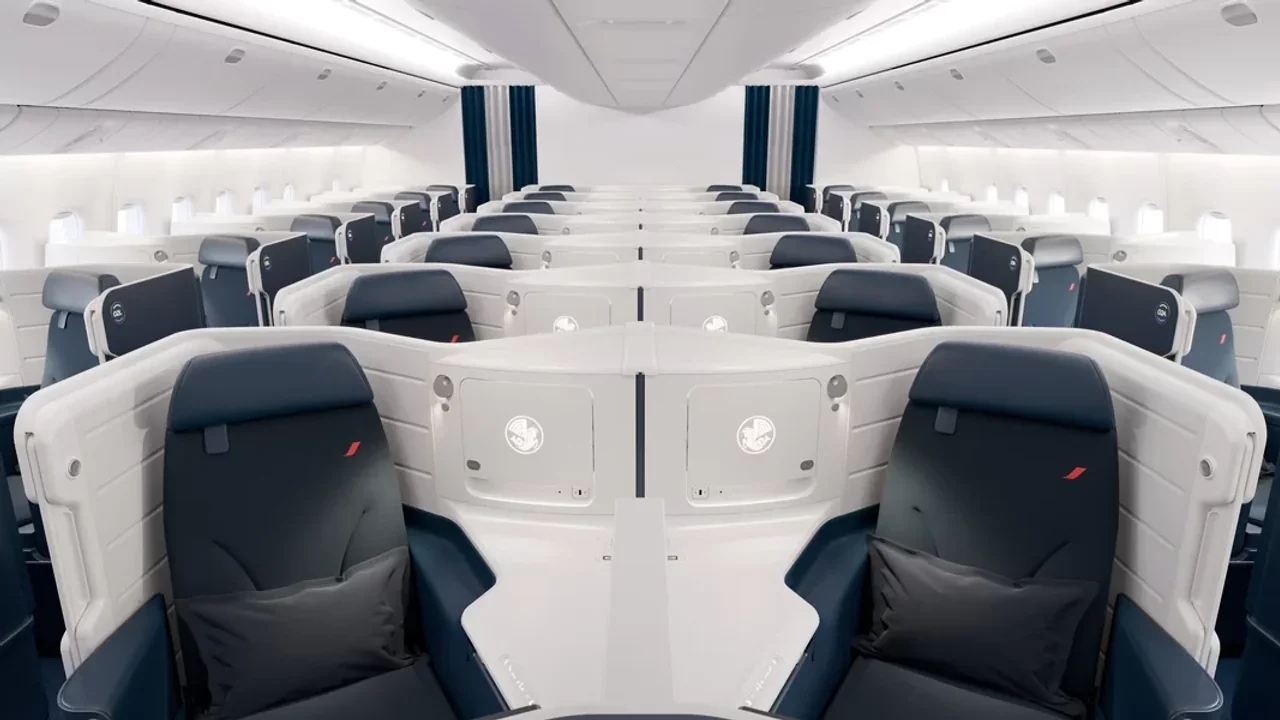
The cynic's read is that they're raising fares because they can, not because they have to. With strong demand and limited capacity on transatlantic routes, the margin is there. The hedging position gives them breathing room, but they're still repricing upward. Worth keeping an eye on Air France and KLM fares separately, as the two carriers sometimes price differently on the same route pairs.
US carriers — a different kind of opacity
Delta, United, and American don't break out fuel surcharges the way Asian and European carriers do. That doesn't mean you're not paying them. The costs are in there — they're just embedded in base fares, which makes the increases harder to attribute and harder to argue with at booking time.
Delta has a genuinely unique position here: Monroe Energy, a refinery it acquired years ago, functions as a physical fuel hedge. It's an unusual strategy and one that's given Delta more cost stability than its domestic peers in volatile markets. United and American have no significant hedge positions, which means their fare structures are more directly exposed to spot prices.
Southwest is now fully exposed
Southwest discontinued its fuel hedging program entirely in 2025. The airline that was once famous for its hedging discipline is now 100% exposed to spot fuel prices. That's a meaningful shift that hasn't gotten as much coverage as it deserves, and it's worth watching how it affects their pricing into late 2026.
Airline fuel surcharges 2026: who's protected and who isn't

Hedging data tells you a lot about which airlines are going to be raising prices further. A well-hedged carrier has locked in fuel at a fixed price for a period of time — they're insulated from spot price spikes, at least temporarily. An unhedged carrier is fully exposed, and every dollar per barrel increase hits their costs directly.
Here's how the major carriers stack up:
| Airline / Group | Hedge Coverage | Period | Risk Level |
|---|---|---|---|
| Air France-KLM | 87% | Full year 2026 | Low |
| easyJet | 84% | H1 2026 | Low (near term) |
| Lufthansa Group | 82% Q1 / 77% full year | 2026 | Low-Medium |
| Qantas | 81% | H2 FY26 (to Jun 30) | Low (near term) |
| IAG (BA / Iberia) | 75% Q1 → 50% Q4 | Declining through 2026 | Medium-High by Q4 |
| Singapore Airlines | 40–60% | Apr–Jun 2026 | Medium |
| Ryanair / Wizz Air | Mostly hedged | 2026 (warned on 2027) | Medium (2027 risk) |
| Cathay Pacific | ~30% | 2026 | High |
| United / American / JetBlue / Spirit | None significant | 2026 | High |
| Southwest | 0% (discontinued 2025) | 2026 | Very High |
The IAG column is the one I'd flag for anyone booking British Airways business class for later in the year. At 75% hedged in Q1, they're reasonably protected right now. But that coverage drops to 50% by Q4. If fuel prices stay elevated or climb further, the second half of 2026 is where British Airways fares could see more meaningful pressure.
How often are airlines adjusting surcharges?
This is the part that catches people off guard. It's not quarterly adjustments or even monthly. Many carriers are now reviewing and resetting surcharges on a two-week cycle, tying them to rolling averages of jet fuel prices. Asiana, Cathay, and Air India have all been operating on this kind of frequency in 2026.
What that means practically: a fare you screenshot on a Monday might look different by the following Monday. The base fare component could be stable while the surcharge portion shifts. And because most booking engines display a single total price, you won't necessarily notice the composition change — just the total.
When comparing fares across dates or carriers, check the "fare breakdown" or "price details" section if the booking engine offers it. The YQ/YR line tells you what's surcharge versus base fare. On routes where surcharges are high, a lower base fare carrier might still be more expensive total.
Airline fuel surcharges 2026: what this means for your actual booking
The strategic question is whether to book now or wait. And the honest answer is: it depends on which route and which carrier, and there's no single right answer.
For Cathay Pacific specifically — given the back-to-back increases in March and April — I'd be booking sooner rather than later if Hong Kong is on your list. At 30% hedged, they have more exposure than almost any major long-haul carrier, and there's no structural reason to expect their surcharges to come back down unless fuel prices drop materially.
For routes where you have genuine alternatives — say, New York to London, where you can choose between BA, Virgin, American, United, Delta, and Air France — the calculus is different. Competition creates a ceiling. No one carrier can push fares too far above the others without losing bookings. That said, if they're all raising fares for the same underlying reason, the ceiling rises with them.
Singapore Airlines sits in an interesting middle position. At 40–60% hedged for the April–June quarter, they're more exposed than Lufthansa or Qantas but less than Cathay. The Singapore Airlines business class product on the A350 and 777X is hard to argue with, and they tend to run promotional fares that briefly undercut their normal pricing. Those windows are worth catching.
Which routes are most affected by the 2026 surcharge increases?
Long-haul is where this hurts most. Short-haul surcharges exist but they're a smaller fraction of the total fare. It's the 10–15 hour routes — North America to Asia, Europe to Australia, transatlantic in business — where a $280 or $405 per-leg surcharge makes a real difference to the total price.
North America to Northeast Asia (Tokyo, Seoul, Hong Kong) is probably the most affected corridor right now, given Cathay and Asiana's increases. The Europe to Australia route, where Qantas is relatively well hedged but Singapore and others are not, is worth watching too.
Europe to North America is somewhat more competitive and somewhat more insulated by the hedging positions of the major carriers involved. Air France-KLM at 87% hedged and Lufthansa at 77–82% means those carriers aren't facing the same cost pressure. Their fare increases are more discretionary than forced.
Lufthansa Group routes may be a relative safe harbor
With Lufthansa Group at 77–82% hedged for 2026, they have more pricing stability than most. If you're flexible on carrier for transatlantic or European routes, Lufthansa, Swiss, and Austrian fares may hold steadier than competitors through the year.
How to actually track this without losing your mind
Checking fares manually every two weeks is not a strategy. It's a hobby that will make you anxious and probably won't save you money because you'll miss the actual dip while you're not looking.

BusinessClassSignal monitors over 800 business class routes twice daily and sends an alert when prices drop below the threshold you set. That's the specific use case here: you tell it what you'd pay for business class to Hong Kong, and it tells you when Cathay (or whoever) hits that number. Given that surcharges are being reset on rolling two-week cycles, having automated monitoring is the only way to reliably catch the windows between adjustments when fares are lower.
You can see how the monitoring system works if you want the mechanics, or just browse all routes to see what we cover. The 7-day free trial gives you full access to set up alerts before you commit to anything.
I built this because I was tired of missing fares I'd have booked instantly if I'd known about them. The Cathay Pacific situation is exactly the kind of thing where having an alert set makes the difference — when there's a brief window between surcharge cycles where the total price dips, you want to know about it that day, not three days later when you happen to check.
Set your alert threshold slightly above what you'd ideally pay. If your target is $4,500 round-trip to Hong Kong, set the alert at $4,800. You'll get more notifications, and you can decide in the moment whether the fare is good enough. Missing a $4,700 fare because you set your alert at $4,500 is a painful way to learn this lesson.
A few things worth watching into Q3 2026
The IAG hedge rolloff is the story I'll be tracking most closely through the year. British Airways at 75% hedged in Q1 dropping to 50% by Q4 means the second half of 2026 is where BA fares could diverge meaningfully from where they are now. If you have flexibility, booking transatlantic BA business class for October or November sooner rather than later makes some sense.
Ryanair and Wizz Air flagged 2027 exposure when discussing their current hedge positions. That's a problem for next year, but it's worth noting that both carriers have been warning shareholders, which tends to precede pricing action. Short-haul European flying on those carriers could look different by early 2027.
And Southwest — I keep coming back to Southwest. Discontinuing hedging entirely in 2025 was a significant call, and not one that's gotten the attention it deserves in travel coverage. They're a domestic US carrier so it doesn't directly affect international business class readers, but it signals something about how some airlines are approaching fuel cost strategy right now, and it won't end quietly if prices stay elevated.
The two-week surcharge review cycle isn't going away. It's the new normal for airlines trying to stay current with volatile fuel markets, and it means the fare you see today has a shorter shelf life than it used to. That's the core reason automated monitoring matters more now than it did two years ago.
BusinessClassSignal monitors 800+ business class routes twice daily — get alerted when fares drop below your target price
Start Free Trial