Quick summary
ANA's The Room business class on the 777-300ER is one of the best long-haul business class products flying right now — full-height door, direct aisle access from every seat, and service that genuinely makes you feel like the airline gives a damn. Fares between the US and Tokyo typically run $4,000–$6,500 round-trip at full price, but we've seen drops to $2,800–$3,400 on this route. If you're targeting Japan, this is the product to hold out for.
I've flown a lot of business class. After 12 years writing about premium cabins, I sometimes wonder if I've become numb to it — if I'm just cataloguing seat-back screens and amenity kit contents at this point. Then I flew ANA's The Room, and I remembered what it feels like to actually be impressed.
This is my honest ANA business class review, focused specifically on The Room product aboard the 777-300ER. Not the older staggered seats on the 787 (which are decent but not exceptional), not the angled flatbeds still lurking on a handful of older widebodies. The Room. The one with the door.
I flew Tokyo Narita to Los Angeles in late 2023, seat 1A, and I'm going to tell you exactly what it was like.
What "The Room" actually is
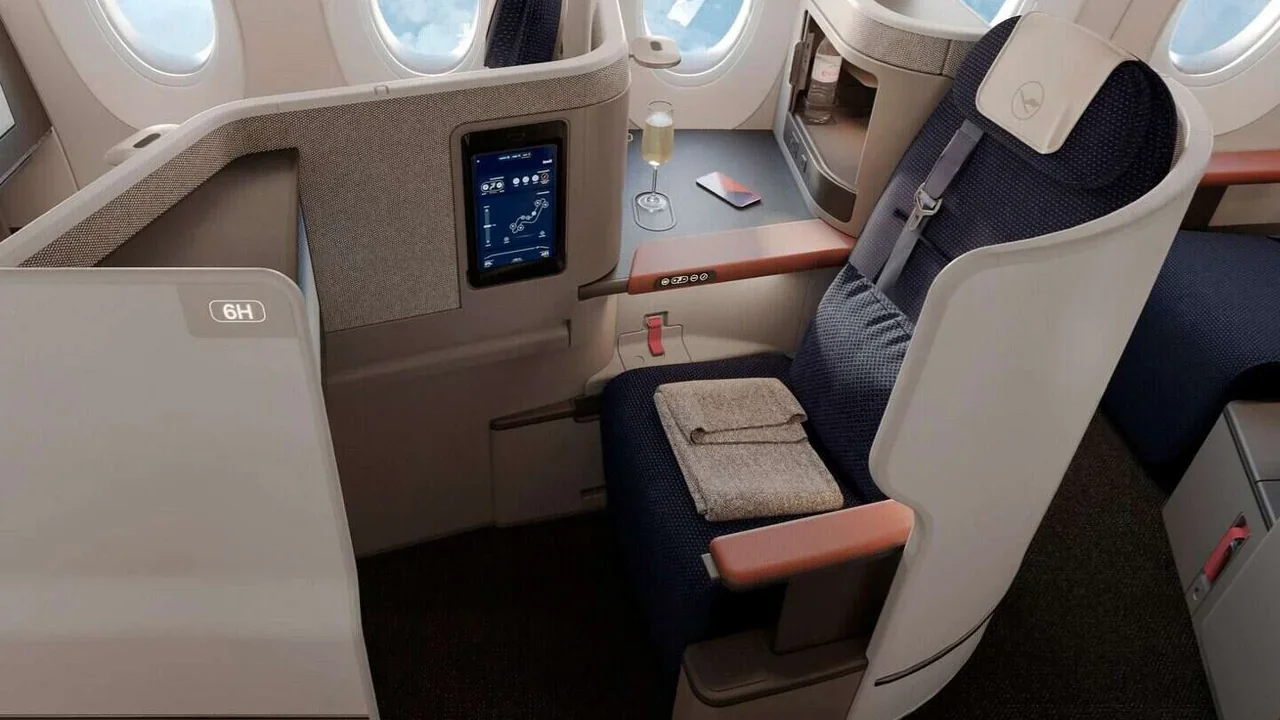
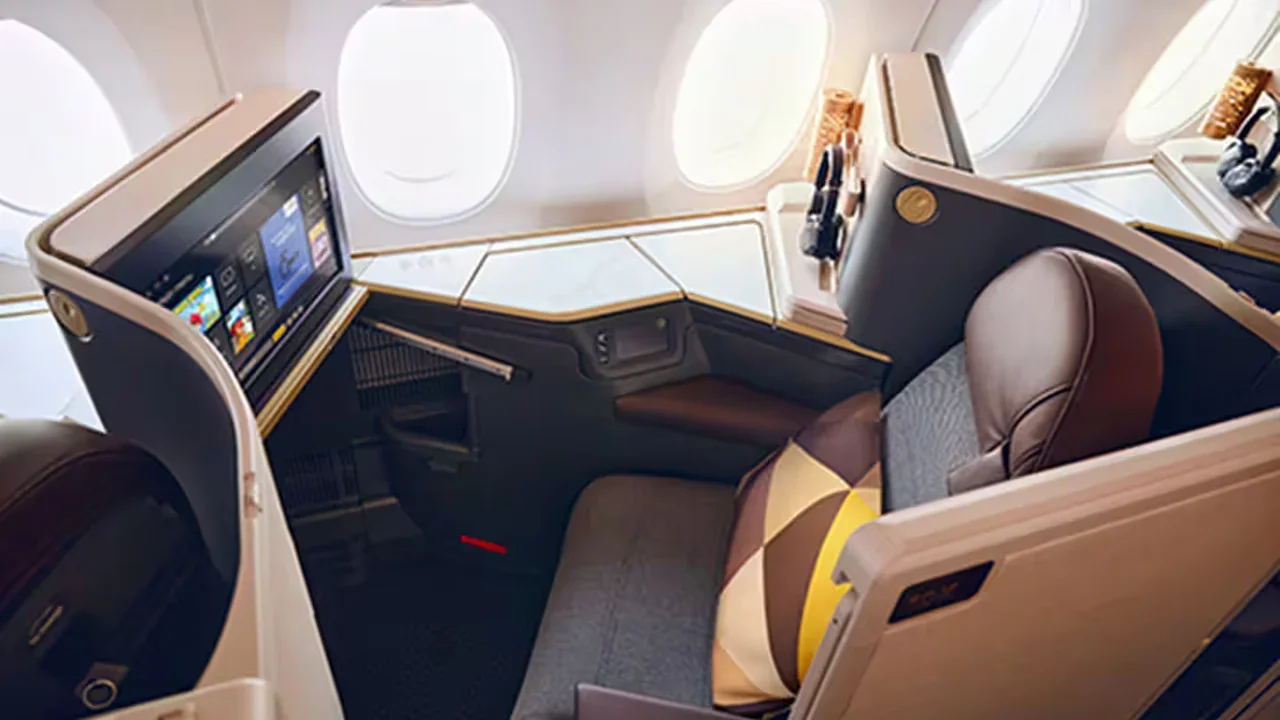
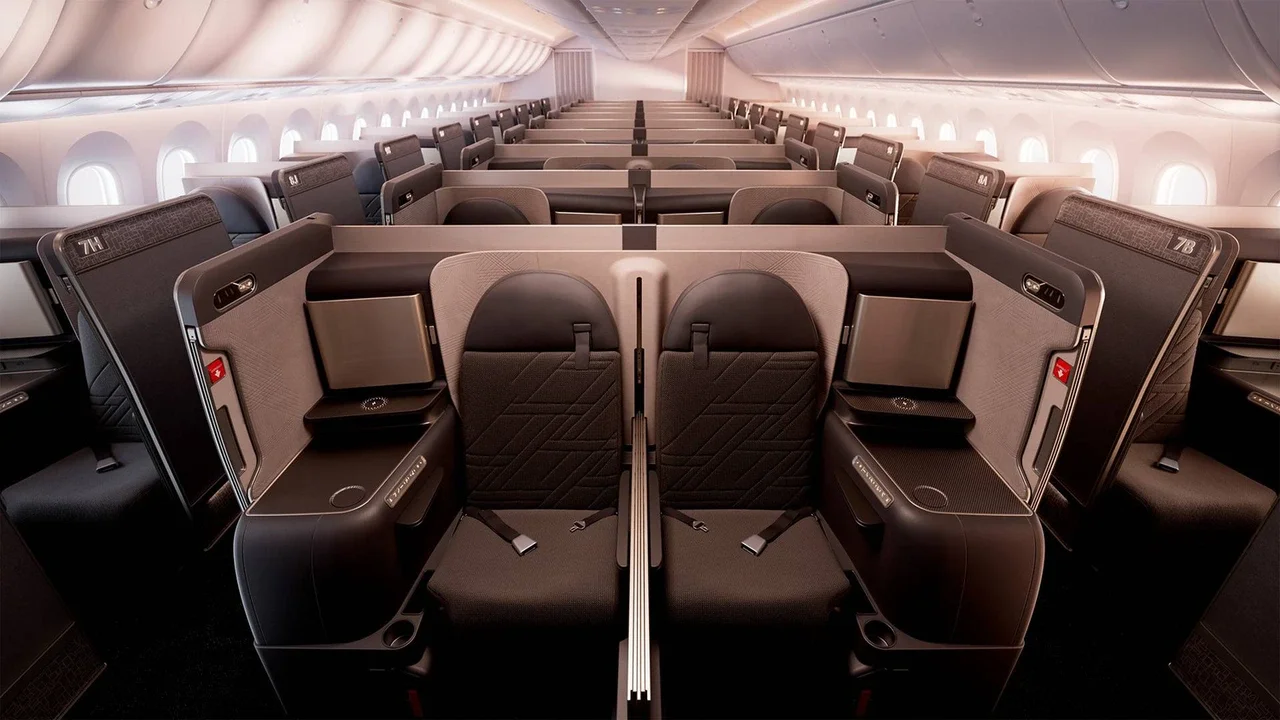
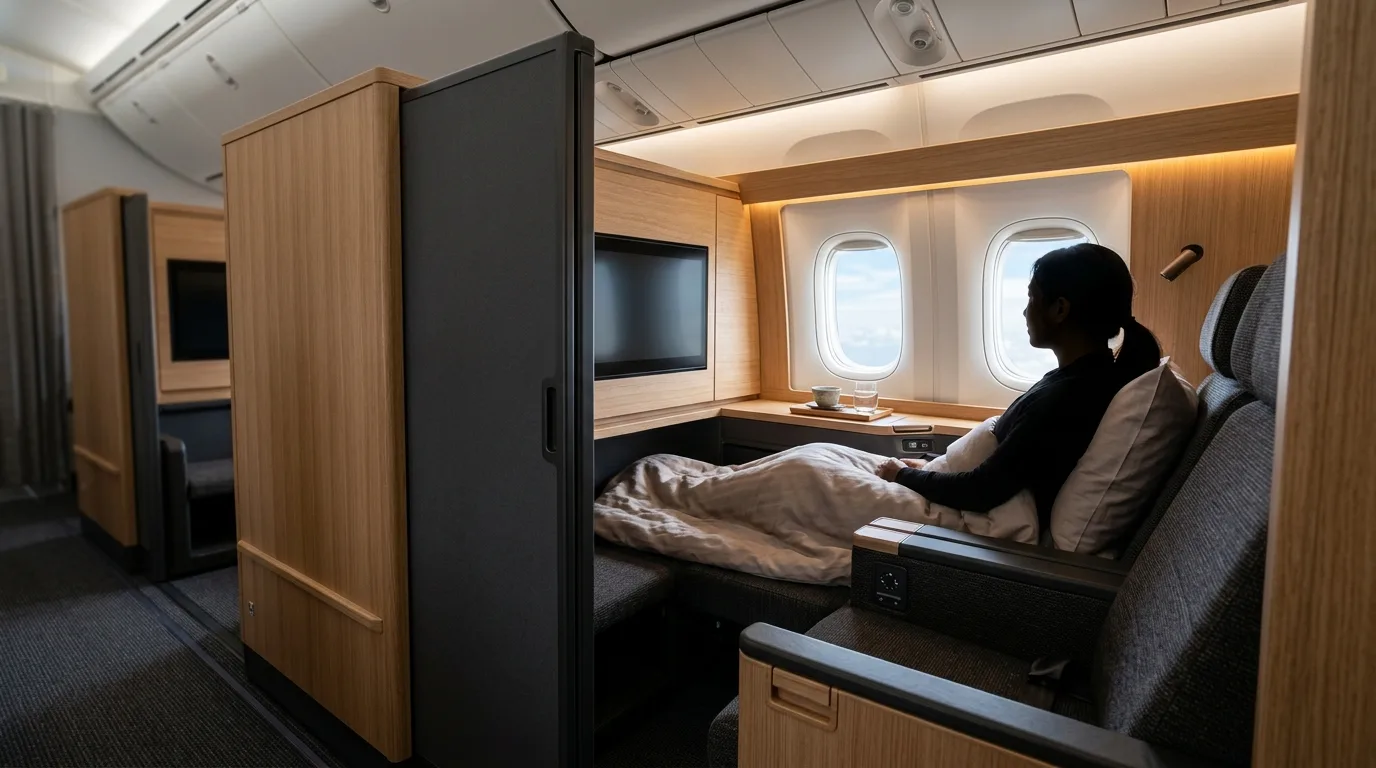
The Room is ANA's flagship business class suite, introduced on the 777-300ER starting in 2019. Each seat is a fully enclosed suite with a sliding door that goes nearly floor-to-ceiling. The configuration is 1-2-1, meaning every single passenger has direct aisle access — no climbing over anyone, no awkward negotiations at 3am over the Pacific.
The suite itself measures roughly 44 inches in bed length and 25 inches wide when the seat is flat. There's a separate ottoman that can be used by a companion during the flight, which makes it genuinely usable for couples traveling together. The in-flight entertainment screen is 24 inches — large enough that you don't feel like you're watching a movie through a porthole.
ANA currently operates The Room on select NRT-LAX, NRT-JFK, NRT-ORD, and NRT-LHR routes. Not every 777-300ER in the fleet has it, so it's worth confirming before you book. The seat map on the ANA website will show the suite-style icon if The Room is on your flight — or you can check SeatGuru, though their data sometimes lags a few months behind fleet updates.
Check before you book
ANA operates multiple 777-300ER configurations. The Room suites are on the newer "Type-D" 777s. If your flight shows the older 2-3-2 or 1-2-1 staggered layout, you're on a different aircraft type. It's worth calling ANA directly to confirm if you're not sure.
The door is not a gimmick
I know that sounds obvious. But I've been on Emirates with its suite doors, I've been in Singapore's new Suites, and I've flown Qatar's Qsuites. So I wasn't expecting the door on The Room to genuinely change the experience. It does.
It's not just about privacy, though the privacy is real. It's about what the door does to the atmosphere inside the suite. When it's closed, you're not in a business class cabin on a plane. You're just... somewhere quiet. The ambient noise drops. The sense of being watched disappears. I slept better on that flight than I have on most overnight transatlantic business class trips, and I think a meaningful part of that was psychological — the closed door signals sleep in a way an open cubicle never quite does.
The door mechanism is simple. It slides. There's no complicated latch or button. You can crack it for air or close it fully. The crew knocked before entering, every single time, which I didn't expect and appreciated more than I probably should have.
Japanese service — what it's actually like at 35,000 feet
People say ANA has exceptional service and sometimes I wonder if they've just been comparing it to United. So let me be specific about what "exceptional" looks like in practice, because it's not one big thing — it's a hundred small things done consistently.
Boarding. I was greeted by name. Not "welcome aboard," but "Mr. Hamilton, welcome — your seat is 1A, just ahead on your left." That's not remarkable in itself, but they said it without looking at a clipboard or hesitating. It felt like they actually knew.
The pre-departure drink came with a warm hand towel and a small card explaining the two Japanese whisky options being offered that evening. I had the Suntory Toki. It was served properly, with ice that had been shaped, not just scooped.
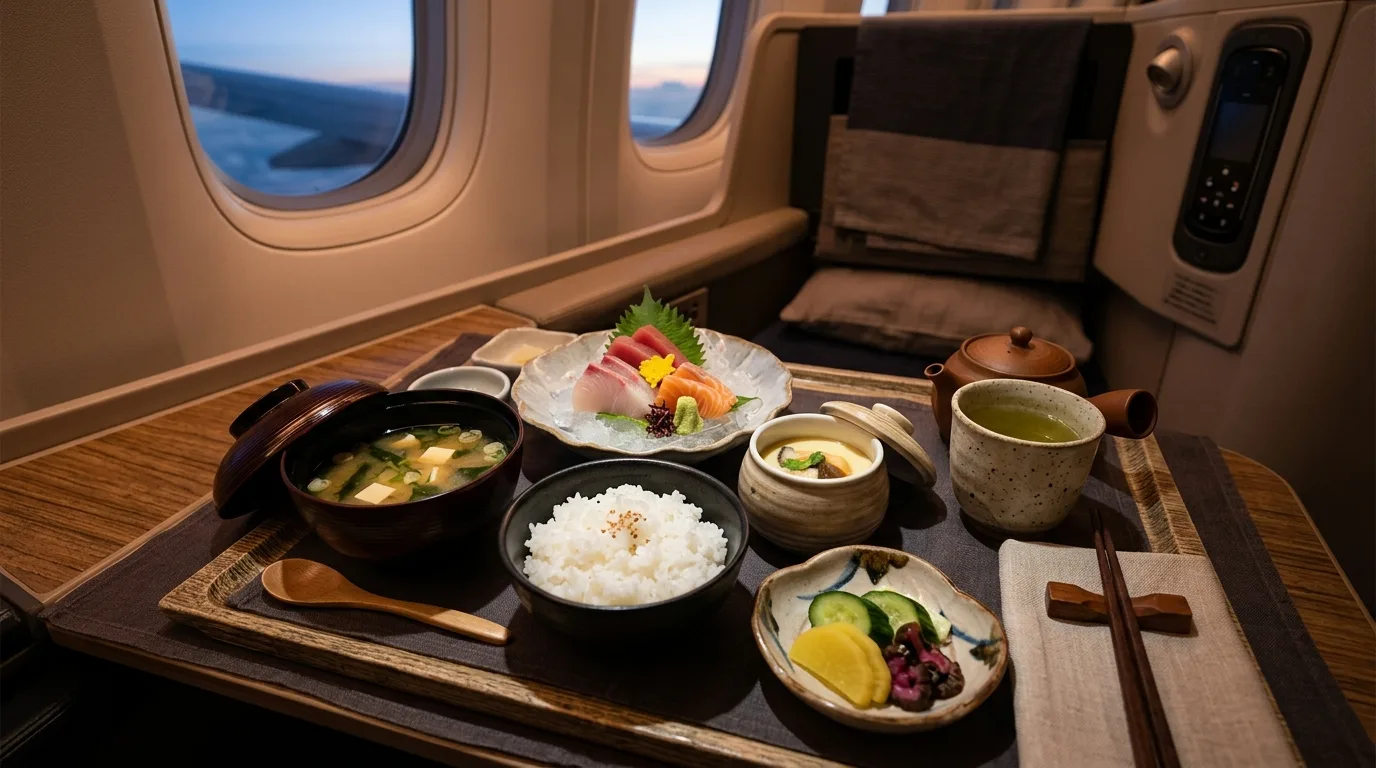
Dinner service. ANA's long-haul business class gives you a choice between Japanese and Western menus, and the Japanese option is the obvious call. I had kaiseki-style multi-course Japanese: chilled tofu with dashi, grilled Kyoto-style black cod, rice with pickled vegetables, a small dessert of warabi mochi. The black cod was genuinely good. Not "good for airplane food" — just good. The presentation was careful, the portions were appropriate, and nothing arrived cold that should have been warm.
Order the Japanese menu
If you're flying NRT departures, the Japanese menu is provisioned locally and is noticeably better than the Western alternative. I've tried both. The Western option is fine. The Japanese option is something you'll actually remember.
What I didn't expect: the crew checked in at the right intervals without hovering. There's a particular skill in knowing when a passenger wants to be left alone versus when they need something, and ANA's cabin crew on this flight had it. I've been on airlines where the service is technically attentive but feels intrusive. This wasn't that.
One thing worth saying plainly: the crew on this particular flight were all Japanese nationals, and there was a cultural element to the service style that you can't really replicate with a service manual. The bowing. The way items were presented with two hands. The quiet care in every interaction. I'm not romanticizing it — I'm just noting that it's different from European or American airline service, and it's different in ways that matter when you're spending 11 hours on a plane.
The ANA Lounge at Narita
I was transiting through NRT on the return leg and spent about two hours in the ANA Lounge at Terminal 1, the main international departure lounge. It's a large, well-designed space — not flashy, but calm and functional in the way that good Japanese design tends to be. Natural materials, clean sightlines, enough seating that you're not circling for a spot even in the early evening push.
The food is where it separates itself from most airline lounges. There's a ramen station with two or three rotating options, and it's not instant noodles out of a machine — it's actual ramen, prepared to order, with proper broth. I had the tonkotsu on my visit. It was better than what I'd get at half the ramen spots near my apartment in Brooklyn, and I'm not being generous.
There's also a sake bar with a rotating selection of regional labels, staffed by someone who clearly knows what they're doing and will make recommendations if you ask. I had a dry junmai from Niigata that I've been trying to track down ever since.
The shower suites are available, clean, and stocked with Shiseido products. Reservation system is first-come-first-served at the desk. If you're arriving within 90 minutes of departure, skip the shower and go straight to the gate — NRT security and passport control can be slow in the evening peak.
What the lounge is not: the Cathay Pacific Pier at HKG, or Singapore's private rooms at T3. It doesn't have that level of luxury finish. But it's genuinely good, and the food offering is better than both of those.
ANA business class review: the honest downsides
Nothing is perfect. Here's what I'd flag.
Is the Wi-Fi actually usable?
Barely. ANA uses Panasonic eXConnect on the 777-300ER, and the speeds over the Pacific are inconsistent at best. I was able to load emails and send messages without attachments. Anything beyond that was an exercise in patience. Streaming was not happening. Video calls were not happening. If you have work that requires real connectivity, plan around it — download what you need before you board.
The pricing is also annoying: it's sold in time blocks or data packages, and neither option is great value. A 2-hour pass ran me $17.90 last I checked, which is fine in theory, but not when the speeds mean you're spending half that time waiting for pages to load.
Wi-Fi over the Pacific
The Pacific corridor is genuinely difficult for satellite coverage. This isn't unique to ANA — almost every airline struggles here. But if you're coming from flying the Europe routes where Ka-band connectivity has gotten genuinely good, the Pacific will feel like a step back.
How does The Room compare to Qatar Qsuites?
This is the comparison everyone wants, so I'll give you my honest read. They're different products optimized for different things.
Qsuites has more flexibility — the convertible double-bed setup is genuinely useful for couples, and the "quad" configuration when you book four middle seats together is unmatched for groups. The storage in Qsuites is also better, with more pockets and surfaces within easy reach.
The Room has a better door (taller, more enclosed), arguably a more refined aesthetic, and the service around it is in a different class. Qatar's service has improved, but it's still inconsistent flight to flight. ANA's consistency is one of its most underrated qualities.
If I'm flying from New York to Doha or London, I'd probably choose Qsuites. If I'm flying to Tokyo or connecting onward through NRT, The Room wins easily. It's not a question of which is objectively better — it's about which is right for the route and what matters to you.
For what it's worth, I've found the bed on The Room slightly more comfortable than Qsuites, mostly because the mattress topper ANA provides is thicker. The difference is real but not dramatic.
What fares actually look like, and when to book
Full-price Tokyo business class from the US East Coast runs roughly $5,500–$7,000 round-trip on ANA. West Coast fares are a bit lower, typically $4,800–$6,200. Those are the published prices.
The fares worth booking are the ones that aren't those. ANA releases discounted business class inventory periodically, and we've tracked NRT-JFK drops as low as $2,800 round-trip. NRT-LAX has hit $2,400 on a handful of occasions in the last 18 months. These don't last long — sometimes a few hours, sometimes a day or two — and they don't follow an obvious calendar pattern.
The best I can tell you about timing: mid-week announcements (Tuesday–Thursday) tend to produce more fare drops than weekends. January through March and late August through September are historically softer periods for Japan routes, when leisure demand is lower and airlines need to fill seats. But honestly, the only reliable strategy is monitoring.
Set your target price below what you're willing to pay, not at it. If $3,500 round-trip is your ceiling, set your alert for $3,200. That gives you time to check schedules and book before the fare disappears.
That's what BusinessClassSignal is built to do. It scans 800+ business class routes twice daily — including NRT-JFK, NRT-LAX, NRT-ORD, and NRT-LHR — and emails you when fares drop below whatever threshold you set. There's a 14-day free trial, no card required to start. If you're planning a Japan trip and want The Room at a price that doesn't make your eyes water, setting up a monitor on this route is the most practical thing you can do right now.
One more thing on fares: ANA business class is also bookable with miles — both through ANA Mileage Club and through United MileagePlus (since ANA is a Star Alliance member). United currently prices a round-trip at 80,000 miles from the US. That's a solid redemption if you have the miles sitting around, though fuel surcharges on ANA-operated flights booked through ANA Mileage Club can add $200–$400 in fees, so check both options before you commit.
If you're also looking at economy options for part of a longer itinerary — maybe mixing a cheap positioning flight with the main haul in business — FlightKitten runs a similar monitoring service for economy fares, scanning over 220 airlines and alerting you when prices drop below your target. It's about $4.99 a month and worth it if you're building a complex trip with multiple legs at different price points.
Who should actually fly this product
Anyone flying between North America and Japan who has the flexibility to wait for a fare drop and the option to route through Narita. That's the honest answer.
If you're flying a one-stop itinerary through Tokyo to Southeast Asia or Australia, The Room is worth routing for even if it adds a couple of hours. I've taken longer connections to get on this product and not regretted it.
If you're a road warrior who does Tokyo four times a year and has status on United or another Star Alliance carrier, ANA is worth serious consideration as your primary airline for this corridor. The consistency is there in a way that United's Polaris — which is theoretically comparable hardware — simply isn't, flight to flight.
And if you've been on the fence about Japan as a destination, let me just say: arriving at NRT after 13 hours in The Room, rested, having eaten well, with a whisky at some point over the Pacific — it's a good way to start a trip. The Tokyo and broader Japan experience is exceptional, and getting there in this product makes the whole thing feel like it started at the gate, not when you landed.
For a full look at ANA's route network, fare history on specific city pairs, and what other travelers have reported on recent flights, check out our ANA airline page. And if you want to understand how the monitoring system works before you set up an alert, that's all there too.
Monitor ANA business class fares — get alerted when The Room drops below your target price
Start Free Trial