Quick summary
July 4th 2026 business class deals do exist, but they require a different strategy than your typical fare hunt. Domestic routes are largely a waste of time this week — the real opportunity is in transatlantic and transpacific departures where international demand softens around the holiday. Position yourself right, and you can pick up genuinely good fares in the $2,000–$2,800 round-trip range.
Why July 4th is actually a useful window if you know where to look
Most people hear "holiday weekend" and assume fares are hopeless. And for domestic flying, they mostly are. The New York to Los Angeles corridor is a mess. Chicago to Miami is cooked. If you're trying to get somewhere domestic in a lie-flat seat for a reasonable price this week, I'll save you the time: close the tab.
But international is a different story.
Here's the counterintuitive thing about July 4th: it's a holiday that Americans care about far more than anyone else. Which means transatlantic routes — especially those originating in the US — often see a softening in premium cabin demand right around the holiday itself. Business travelers aren't flying to London for a long weekend. Leisure travelers who want to go to Europe are mostly already there, or they booked months ago. And European travelers aren't particularly motivated to fly into the US mid-week for a holiday they don't celebrate.
That gap is where the deals live.
I've tracked this pattern across a few years now, and the window is usually narrow: departures on July 3rd and July 4th outbound, returning July 7th or 8th. Outside that window, you're back to full-fare territory. But inside it, airlines occasionally drop prices to move unsold seats, and those drops can be significant.
The routes where July 4th business class deals actually show up
Not all transatlantic routes behave the same way. Some are consistently full because of corporate contracts or specific tourism patterns. Others are more volatile.
The routes I watch most closely around this window:
JFK to Frankfurt tends to have more flexibility than JFK to London. Lufthansa and United both operate this corridor heavily, and the German market doesn't have a July 4th equivalent pulling travelers home. I've seen fares on this route drop to the $1,800 range round-trip during the holiday window — not guaranteed, but it happens.
JFK to Paris is worth watching too. Air France and Delta both fly this heavily, and Paris in early July has tourist demand but not the same corporate travel pressure you see in spring. The CDG connection to everywhere else in Europe also makes this useful if you're planning a longer trip.
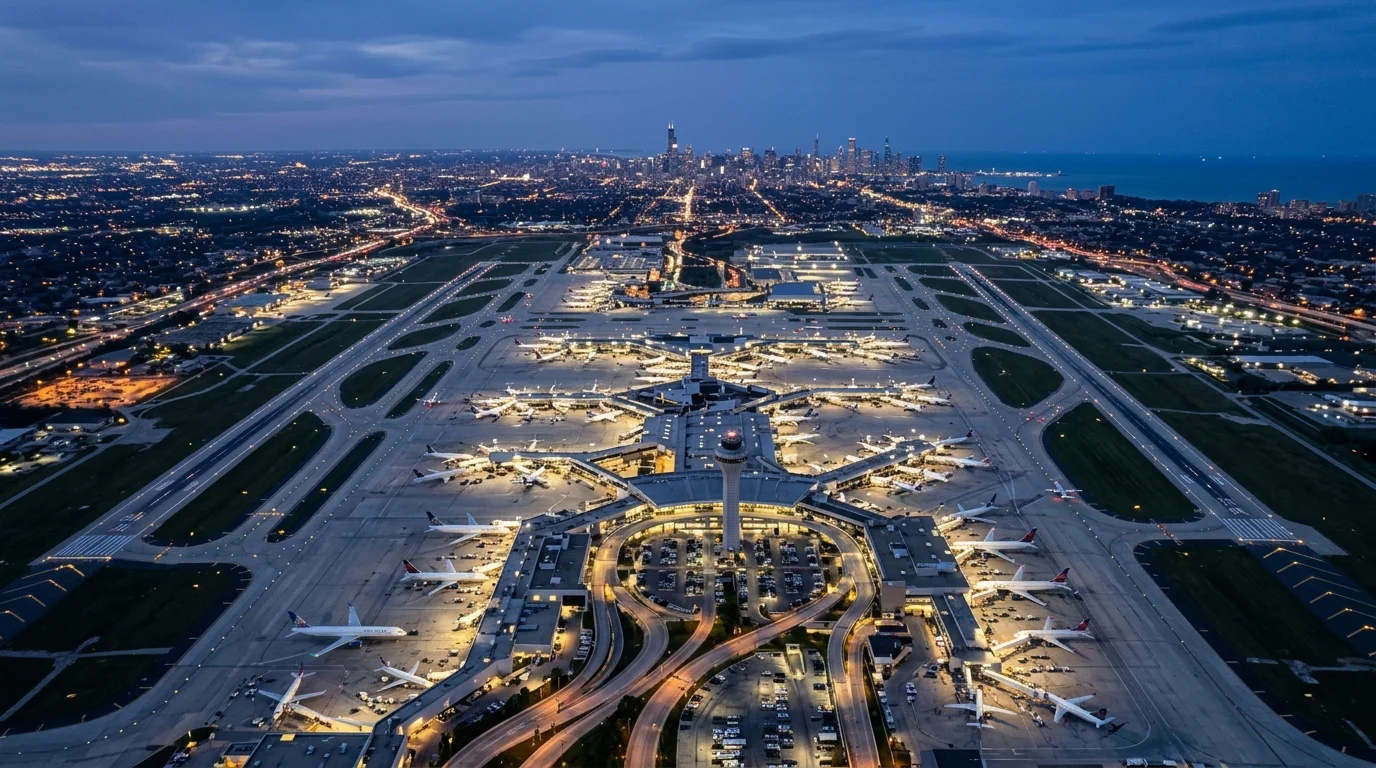
Chicago O'Hare to Zurich is one I don't see written about enough. Swiss flies this route and the load factors around the holiday are often lower than comparable transatlantic departures. If you're based in the Midwest or can position to ORD, it's worth checking. I've found $2,200 round-trips here when equivalent routes from the coasts were running $3,400+.
LAX to Tokyo is the one I'd flag for West Coast readers. JAL and ANA both operate this route, and while summer is generally strong demand from Japanese travelers, the American holiday creates a weird gap in the first week of July. The Japanese school holiday calendar doesn't align with ours, so the peak travel surge happens a bit later.
Positioning flights: the move most people skip

If you're not near one of the major international gateways, the instinct is to search your home airport first. That's usually a mistake when you're hunting last-minute deals.
The better play is to treat the positioning flight as a separate, cheap domestic leg and then book the international business class segment independently. A $150 coach ticket from, say, Nashville to JFK or Denver to LAX opens up the full range of transatlantic and transpacific inventory. The savings on the long-haul seat more than cover it.
This is especially true when you're searching close to departure. Most fare monitoring tools and booking engines default to showing you combined itineraries, which often means you're seeing inflated pricing because the airline knows you need that connection. Separate the legs. Book the domestic hop on whatever low-cost carrier is cheapest, and then book the long-haul segment on its own.
Search the international segment first, confirm the fare is actually available, then book your positioning flight. Don't do it the other way around — you don't want to be sitting in JFK with a positioning ticket and no business class seat to board.
The other positioning angle that's underused: flying out of secondary hubs. Boston (BOS) and Washington Dulles (IAD) both have direct transatlantic service and often have meaningfully different pricing than JFK for the same destination. If you're in the Northeast, BOS to London on British Airways or IAD to Frankfurt on United can be several hundred dollars cheaper than the equivalent JFK departure, especially last-minute.
How to actually find last-minute July 4th business class deals
What's the best time to search for last-minute fares?
The conventional wisdom used to be "Tuesday afternoon" for domestic fares. That's largely irrelevant for business class, and completely irrelevant for last-minute international.
What actually matters for last-minute premium cabin inventory is understanding when airlines release unsold seats. For departures in the next 72 hours, airlines are making pricing decisions constantly. Revenue management systems are adjusting based on load factors, competitor pricing, and whether they think they can still sell a seat at full fare. When they decide they can't, prices drop — sometimes sharply.
The best times to catch those drops: early morning (around 6–8am ET) and late evening (9–11pm ET). Those are the windows when overnight inventory adjustments get pushed through the booking systems. I've personally found some of my best last-minute fares at 10:30pm on a Tuesday night, when an airline clearly decided to move unsold seats before the departure.
Checking manually every few hours is exhausting and you'll miss most of them. This is exactly why I built BusinessClassSignal the way I did — the system scans over 800 routes twice daily and sends an alert when a fare drops below your target price. You set the threshold once, and you get notified when it actually matters rather than refreshing Google Flights at midnight.
How far out do last-minute business class deals typically appear?
For international routes around a holiday like July 4th, the sweet spot is usually 7–14 days out. That's when airlines have a clear picture of remaining inventory and are making final calls about whether to discount.
Closer than 7 days, fares often spike back up because the airline figures whoever is booking that late is probably willing to pay full price. There are exceptions — I've seen genuine deals at 3 days out — but they're less predictable.
If you're reading this in late June 2026, you're in the window. Don't wait another week.
What "last-minute" actually looks like in business class availability
One thing that confuses people: a flight showing "2 seats available" in business class isn't a distress signal. It might just be the airline's standard hold-back inventory. Airlines routinely show limited availability even when they have more seats, because they're managing yield.
What you're actually looking for is a price drop on a route where the fare was previously higher. That's the signal that availability is genuinely loose and the airline is trying to fill the cabin. A fare that was $3,800 round-trip two weeks ago and is now showing $2,200 is interesting. A fare that's been $2,200 for a month is just a normal fare.
This distinction matters because a lot of "deal" sites will show you prices without context. Is that fare actually cheap, or is it just what this route normally costs? Without a baseline, you're flying blind. BusinessClassSignal tracks historical pricing on each route, so when we flag something, you know whether it's a genuine drop or just the going rate.
Know your baseline
Before you book anything, check what the same route was priced at 2-3 weeks ago. A fare that looks good in isolation might be completely normal pricing. Context is everything.
Airlines worth targeting and a few honest caveats

Speaking of BA: I'll be honest with you about the Club World product. The seats are fine on newer aircraft, but on older 777s doing the JFK-LHR run, the alternating forward-facing and rear-facing configuration is a real annoyance if you end up in a middle seat. The T5 lounge at Heathrow is mediocre — the food has improved slightly but the coffee remains uninspiring and it gets genuinely crowded. If you're connecting through LHR rather than it being your final destination, factor in that the lounge experience isn't going to be the highlight.
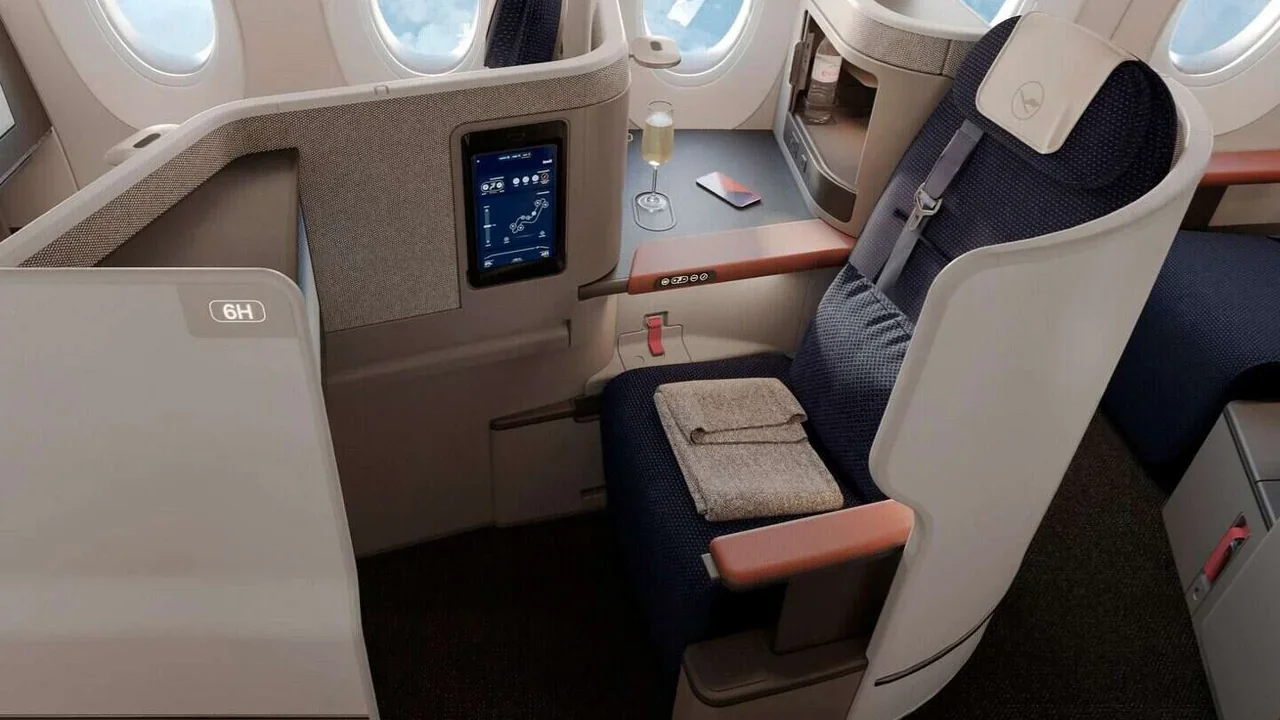
Air France on the CDG routes is a better product than it gets credit for, particularly on the newer A350s. The onboard catering is noticeably better than most US carriers and the seat in the 777 longhaul configuration is solid. My one gripe: the CDG airport experience can be chaotic, especially Terminal 2E. Budget extra time if you're connecting.United's Polaris product has gotten better. The seats on the 787 are genuinely comfortable, the bedding is good, and the pre-departure beverage service (an actual cocktail, not just OJ) is a nice touch. But the food quality is inconsistent — I've had excellent meals on the IAD-FRA route and genuinely forgettable ones on the same route a month later. And the lounge situation in some United hubs (Chicago, in particular) is still catching up to the product they're trying to sell.
JAL on the Tokyo routes is excellent, full stop. The Sky Suite configuration is one of the best business class products flying right now — full aisle access from every seat, good storage, and the Japanese catering is consistently strong. If you get a deal on this route for July 4th, take it.
The mistake that kills most last-minute business class searches
People get fixated on a specific airline or a specific routing and miss the deal that's actually available. I see this constantly. Someone wants to fly Delta One because they've heard good things, and they spend a week watching that fare while a genuinely good Air France price comes and goes.
Be flexible on the airline. Be flexible on the routing. The only things that should be fixed are your origin city, your destination, and your dates. Everything else is negotiable.
Also: stop assuming you need to book through the airline's own website. For last-minute international business class, Google Flights is your friend for initial research, but some fares surface on consolidators or via airline sales that don't always appear in aggregators. Directly checking the airline's site after you've identified a target fare is worth the extra step — sometimes you'll find a slightly better price or a redemption option if you have miles.
On the miles point: if you have transferable points sitting in Chase Ultimate Rewards or Amex Membership Rewards, right now is a reasonable time to think about partner transfers. JAL's mileage program, for instance, has decent redemption rates on their own metal, and last-minute award availability sometimes opens up when airlines decide they'd rather fill a seat with a points redemption than fly it empty.
Don't assume award availability matches cash availability
Award seats and discounted cash fares are two different inventory pools. A route might have a great last-minute cash fare but no award space, or vice versa. Check both, separately.
Building the search around July 4th 2026 specifically
Here's how I'd approach this if I were searching right now:
Start with the departure dates of July 3rd and July 4th for outbound, and July 7th–9th for return. Those are the dates most likely to show softened demand and the window where July 4th business class deals are most likely to appear.
For destination, I'd prioritize Europe over Southeast Asia purely based on timing — the European summer peak hasn't fully hit yet in early July, and you're more likely to find availability. Tokyo is worth checking if you're West Coast-based.
Run your search on Google Flights first with the flexible dates view turned on. Note the pricing pattern — you're looking for a dip in the curve around those departure windows. Then go directly to the airline's site to verify the fare and check seat availability before you commit.
If you want to start monitoring this route rather than checking manually, set your target price about 15–20% below the current going rate and see what comes through. During the holiday window, fares can move fast and you want to catch the drop when it happens, not two hours later.
When you find a fare you like, open the seat map before you book. If the business class cabin is more than 70% full, the price is unlikely to drop further. If it's less than 50% full and you're within 10 days of departure, there may be more movement to come — but don't get too cute with the timing.
One last thing worth mentioning: July is summer in Europe, which means hotels are expensive and popular destinations are crowded. The business class deal is only half the equation. If you're flying to Paris or London for a week in early July, factor in accommodation costs before you get too excited about the airfare. I've watched people snag a great fare and then spend three times as much on a hotel as they saved on the flight.
That said — if you're flexible on where you're going, a good airfare is a perfectly reasonable reason to pick a destination. Find the deal first, then figure out what you'll do when you get there. That's honestly how some of my best trips have happened.
Browse all routes we monitor if you're still figuring out where to look — there's a good chance we're already tracking the corridor you care about.BusinessClassSignal monitors 800+ routes twice daily and alerts you the moment a fare drops to your target price. 14-day free trial, no credit card required.
Try It Free