Quick summary
Business class to Cape Town from the US or Europe means 17+ hours in the air, usually with at least one stop. The nonstop Delta/SAA codeshare from JFK is the most direct option, but fares regularly push past $6,000 round-trip. Connecting via Doha (Qatar Airways) or London (British Airways, Virgin Atlantic) often costs significantly less and sometimes puts you in a better seat.
Why Cape Town is a different kind of long-haul problem
Most long-haul routes eventually get competitive. Cape Town hasn't quite gotten there yet. Johannesburg has better airlift, more carriers, more price pressure. Cape Town International (CPT) is still mostly served by a handful of connecting options and one very expensive nonstop.
That matters when you're buying business class, because the fewer carriers competing on a route, the less likely you are to catch a genuine price drop. I've been watching CPT fares on and off for years, and the windows where something genuinely good appears are short. A few hours, sometimes less.
So the question isn't just "which airline is best." It's how to position yourself to catch the fare when it appears, and whether the routing you're considering is actually worth the premium.
The nonstop option: Delta and SAA from JFK

Delta Air Lines and South African Airways operate a codeshare service between New York JFK and Cape Town, with a stop in Johannesburg (JNB). Technically it's not a true nonstop to CPT — you land in Jo'burg, clear customs or transfer, then continue. But on many ticketing platforms it shows as a through-routing, and the luggage usually transfers.
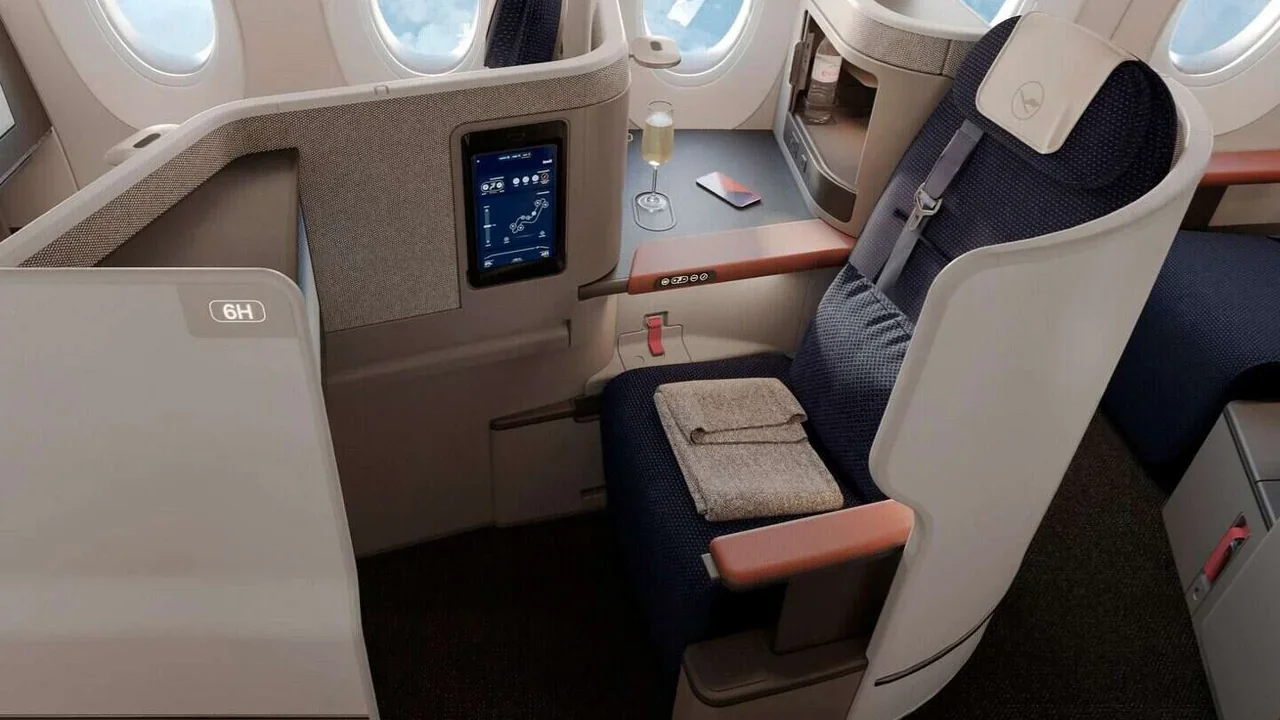
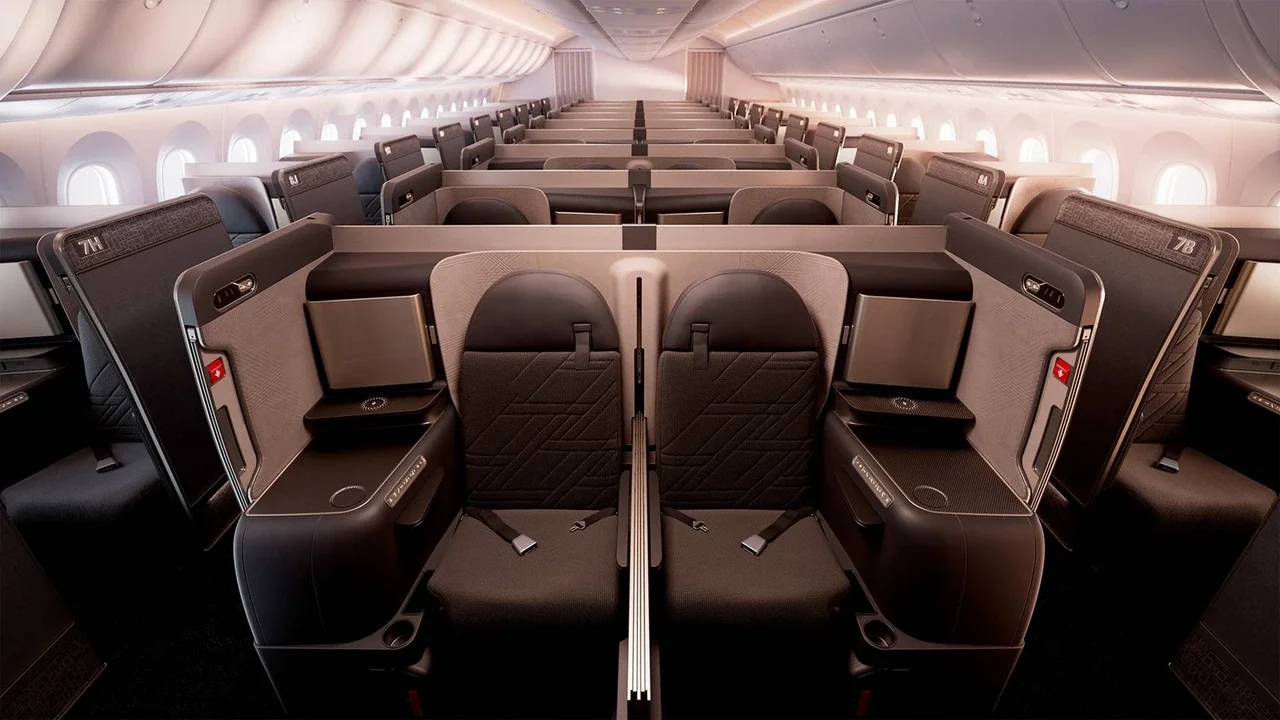
The JFK–JNB segment is the long one: around 15 hours. Then it's another 2 hours down to Cape Town. The Delta business class product on this route is the Delta One suite, which is genuinely good — door, direct aisle access, lie-flat bed, decent bedding. If you're on the Delta metal for the long segment, you'll sleep fine.
SAA's business class is a different story. The carrier has had a rough decade financially and the product has been inconsistent. On a good day the seats are comfortable lie-flats. On a bad day you're on aging equipment with a product that feels like it's from 2012. I'd try to position on Delta metal for the JNB leg if you have a choice.
Watch the equipment
SAA's long-haul fleet has mixed business class configurations depending on aircraft and refurb cycle. Always check the specific aircraft before booking — seatguru.com and expert flyer are your friends here.
Fares on this routing regularly sit between $5,500 and $7,000 round-trip from JFK. It's not cheap. And because there's limited competition from JFK to CPT specifically, the price rarely budges much without a genuine sale.
Connecting via Doha: the Qatar Airways case

Qatar Airways is, in my opinion, the strongest option for business class to Cape Town right now. The QSuite product on the DOH–CPT leg (and the transatlantic feed into Doha) is legitimately excellent — double beds if you're traveling with someone, privacy doors, good food, one of the better wine lists in the sky.
The routing from the US typically means connecting through Doha (DOH). From the East Coast, you're looking at roughly 13–14 hours to Doha, then another 8 hours or so down to Cape Town. Total block time ends up similar to the Delta routing, maybe slightly longer, but you're breaking it into two more manageable segments.
Fares via Qatar will sometimes drop to the $4,000–$4,500 range round-trip from the US East Coast, which is a meaningful difference from the nonstop option. I've seen sub-$4,000 fares appear a handful of times, always briefly. Those are the ones worth setting a monitoring alert for.
The Doha layover can be anywhere from 2 to 8 hours depending on your connection. The Al Mourjan lounge at DOH is one of the genuinely good airport lounges — the hot food section alone is worth the stop. If you have a longer layover, it doesn't feel like punishment.
Qatar's Privilege Club redemptions to CPT are occasionally available at reasonable rates. If you have Avios from British Airways (which partners with Qatar), those can sometimes be used on QR metal at better value than cash fares.
Connecting via London: British Airways and Virgin Atlantic

For US travelers routing through London, this adds a transatlantic leg before you even start the Africa portion. That can mean 20+ hours of total travel. But for European travelers, this is the natural routing — and it's worth addressing both audiences here.
British Airways flies LHR–CPT daily. The Club World product is... fine. I've written about it before and my view hasn't changed much: the seat is a compromise, the food is middling, the service varies dramatically by crew. The older Club World seat (the one with the side-facing middle seats) is one of the more uncomfortable lie-flat experiences in business class. If you're on a 777 with the older configuration, you'll feel it by hour 10.
Seat selection on BA to CPT
On BA's 777-200 routes, the window seats in the A/K positions give you more privacy than the center pairs. Book these early — they go fast. Avoid row 10 if the door configuration puts you next to the galley.
Virgin Atlantic is the other London option, and honestly I find their Upper Class product more comfortable on the actual body-hours-in-seat metric. The new A330-900neo Upper Class suite is proper lie-flat with good privacy. Their service tends to be warmer too, for whatever that's worth.
Fares from the US through London will often run $3,800–$5,500 depending on the season and how far out you book. The catch is you're adding a transatlantic leg, which means two business class segments to get to CPT — and two chances for a disruption.
Why sleep quality is the only thing that matters on this flight

I'll say something that sounds obvious but gets ignored in a lot of flight reviews: on a 17+ hour journey, the quality of your sleep is the whole ball game. Food is nice. Amenity kits are fine. None of it matters if you land in Cape Town having slept three broken hours on a seat that doesn't fully recline.
Cape Town is 6 to 8 hours ahead of the US East Coast depending on time of year. You land in the afternoon or evening, and if you want to function the next day you need to have slept on the plane. This is why I keep coming back to Qatar's QSuite and the Delta One suite as the two products I'd actually recommend for this specific route. Both have genuine doors. Both give you a real flat bed, not a slightly angled one. Both have decent bedding.
Virgin's new Upper Class suite also qualifies. BA's older Club World does not, in my opinion. The herringbone layout means you're sleeping at an angle toward the aisle, and the mattress padding isn't enough to compensate after hour eight.
Mattress pads make a real difference
Qatar, Delta, and Singapore all now offer mattress toppers or turn-down service in business class. Ask for the mattress pad before takeoff — on some flights they run out or the crew forgets to offer. Don't wait.
Which seat configuration is actually worth it for a 17-hour flight?
Here's my ranking for this specific route, based on sleep quality and overall comfort for long haul:
- Qatar QSuite — Best in class. Door closes, bed is genuinely flat, width is good. If you're traveling with a partner, the double configuration is exceptional.
- Delta One Suite — Close second. The sliding door is a real privacy upgrade. Bedding is good. The main drawback is the entertainment screen positioning, which requires a bit of awkward reaching.
- Virgin Upper Class (A330-900neo) — Solid. The suite door doesn't close fully but gives enough privacy. Good flat bed.
- South African Airways Business — Varies too much by aircraft to rank confidently. Check the specific plane.
- British Airways Club World (older 777) — Adequate for shorter flights, genuinely tiring for 11+ hours. The side-facing middle seats are a particular problem.
When do business class fares to Cape Town drop?
This is the question I get most often, and the honest answer is: irregularly, briefly, and usually not at the times you'd expect.
Cape Town's peak tourist season runs roughly November through January (Southern Hemisphere summer). Fares during those months are high and stay high. The shoulder windows — late February through April, and September through October — are when I've seen the most meaningful drops.
Airlines will occasionally release sale inventory in the June–August window too, when Cape Town is in its cooler, quieter season. The city is still worth visiting then, especially for wine country, but the tourist crowds thin out and fares sometimes follow.
Thursday and Friday departures from the US to CPT tend to price higher because they align with Southern Hemisphere weekend arrivals. Midweek departures — Tuesday or Wednesday — often show slightly lower fares for the same class and routing.
The other pattern I've noticed: fare drops on this route tend to happen 3–6 weeks out from departure, not the 11-month-in-advance window you'd use for, say, Tokyo. Airlines seem to hold premium inventory on this route and release it later than you'd expect.
Positioning flights and the mixed-cabin question
A lot of people flying business class to Cape Town are doing it as a positioning strategy — flying economy from a smaller city to JFK or LHR, then picking up the long-haul business class segment. That's a reasonable approach, especially if you live somewhere without direct access to the gateway airports.
If you're managing the economy positioning leg separately, it's worth having a tool that tracks those fares independently. Our sister product FlightKitten — built by the same team behind BusinessClassSignal — monitors economy fares across 220+ airlines and alerts you when prices drop below whatever threshold you set. It starts at $4.99/month and it's genuinely useful for this kind of mixed-cabin setup, especially if you're also booking family members in economy on the positioning leg.
The other mixed-cabin scenario I see a lot: people flying business to Johannesburg and then dropping to economy for the short JNB–CPT hop. Two hours in economy isn't the end of the world, and it sometimes saves $500–$800 on the overall fare. Whether that's worth it depends entirely on how much you care about lounge access and the buffer at JNB. That airport can be chaotic, and having business class access to the lounges there isn't nothing.
What to actually expect when you land at Cape Town International
CPT is a manageable airport. It's not Changi — nothing is — but it's not a nightmare either. Immigration queues can be long on peak arrival days, particularly when multiple European flights arrive in the same window (late afternoon is common). Business class doesn't buy you a separate queue here, just so you know. Everyone's in the same immigration hall.
The domestic terminal and international terminal are connected but the walk is longer than it looks on the map. If you're connecting to a domestic South African flight after arriving internationally, give yourself at least 90 minutes.
Ground transportation from CPT to the city center (Cape Town's CBD or the V&A Waterfront area) takes 20–30 minutes by car depending on traffic. Metered taxis from the official rank are fine. Uber works well and is usually cheaper.
Cape Town arrival tip
Book your accommodation transfer or car in advance during peak season (December–January). The taxi rank at CPT gets overwhelmed when multiple international flights land within an hour of each other, and Uber surge pricing can be brutal at those moments.
How to monitor business class to Cape Town without losing your mind
The problem with this route is the fare volatility. Prices move fast, the sale windows are short, and if you're checking manually every few days you'll miss most of the good ones.
BusinessClassSignal is a fare monitoring tool that scans business class routes twice daily — including CPT routes from major US and European gateways — and sends you an alert when the price drops below whatever threshold you've set. You tell it your origin, your destination, your target price, and it watches the route for you. No more obsessive tab-refreshing on Google Flights at 11pm.
You can browse all routes we monitor to see if your specific origin is covered, and how the monitoring system works is explained in detail if you want to understand the methodology before signing up.
For Cape Town specifically, I'd set your alert threshold somewhere around $4,200–$4,500 round-trip from the US East Coast if you're flexible on routing, or $5,200 if you specifically want the Delta nonstop option. Those aren't guaranteed to appear, but they do appear. I've seen them.
Set alerts for both JFK–CPT and EWR–CPT if you're in the New York area. Newark sometimes prices differently, especially on routes with United connections through a European hub.
One thing I'd add: Cape Town fare patterns are different from other long-haul routes because of the limited carrier competition. The drops that do happen tend to be tied to specific airline promotions or inventory releases rather than broad market softness. That makes monitoring more valuable, not less — you're not going to catch these by checking once a week.
The airlines worth watching most closely for this route are Qatar Airways and British Airways, both of which run periodic sales that can move CPT fares meaningfully. Delta's sale events are less frequent on this specific routing but worth tracking if you want the nonstop option.
Set a fare alert for business class to Cape Town — 7-day free trial, no credit card required
Try Free