```html
Quick summary
Flying business class with family sounds like a dream — and sometimes it actually is. But the math gets brutal fast when you're buying four seats instead of one. This article breaks down when it's worth it, when it isn't, and how most families actually make premium cabins work without spending their way into regret.
The honest cost of bringing your family up front
Let's start with the number that makes most people wince. A round-trip business class seat from New York to London runs somewhere between $2,000 and $4,500 depending on timing, airline, and how lucky you get with a sale. Multiply that by four, and you're looking at a bill that could fund a week at a very decent resort — with flights included in economy.
I've watched this calculation destroy perfectly good trip planning. A couple decides they want to fly the kids in business class to celebrate something big, they check prices, and suddenly the whole vacation budget is gone before they've booked a hotel. So the first thing worth saying plainly: flying business class with family in all four seats, at full retail, is usually not a rational financial decision.
But "usually not" leaves a lot of room. And the answer changes completely depending on how you're buying the tickets.
What does business class actually cost per seat for kids?
Most airlines price children's tickets (ages 2–11) at 75% of the adult fare for international flights. Infants under 2 who sit on a lap are typically 10% of the adult fare — but in business class, that means a lap infant can still cost you $200–$400 round-trip, which feels absurd when they're not occupying a seat.
Older kids get no discount at all. A 14-year-old pays exactly what you pay. So if you have teenagers, the math is even less forgiving than it looks.
The exception — and this matters — is award tickets. Most frequent flyer programs price child awards identically to adult awards in terms of miles, but the cash co-pays and fees are the same or very close. So points redemptions don't automatically get cheaper for kids. United, for instance, charges the same Saver award level for children as adults on most international routes.
Check whether the airline charges the same miles for child awards before assuming a points redemption is the budget move for a family. On some programs it is, on others it isn't.
When flying business class with family actually makes sense
There are specific situations where the premium is genuinely worth it — not just as a luxury, but as a practical decision. I'd argue there are really only a few.
Overnight flights over 9 hours. This is the clearest case. If you're flying from the US East Coast to Europe, or from anywhere in the US to Southeast Asia, and the flight is overnight, a flat bed changes the entire experience of the next 48 hours. You arrive able to function. Your kids arrive able to function. Anyone who's landed in Singapore after 18 hours in economy with a 7-year-old knows what I'm talking about.
The calculus is different on, say, a 6-hour daytime flight to Cancun. You'll be fine in economy. Buy the extra legroom seats, bring snacks, and save the money.
When you have enough points to cover it without paying retail. This is how most families I know actually make it work. They spend months or years accumulating miles — through credit card spend, transfer bonuses, shopping portals — and then redeem for the whole family at once. If you can get four business class seats to Europe for 120,000–180,000 miles round-trip total, the math starts looking very different.
When one parent has elite status and the other doesn't. Some airlines allow a status-holder to use upgrade instruments or miles to bring a companion to business class. If you're flying United Polaris or Delta One and one adult already has a confirmed upgrade, sometimes you can work the system so the whole family ends up in premium cabins at a fraction of retail cost.
The mixed-cabin strategy most families overlook
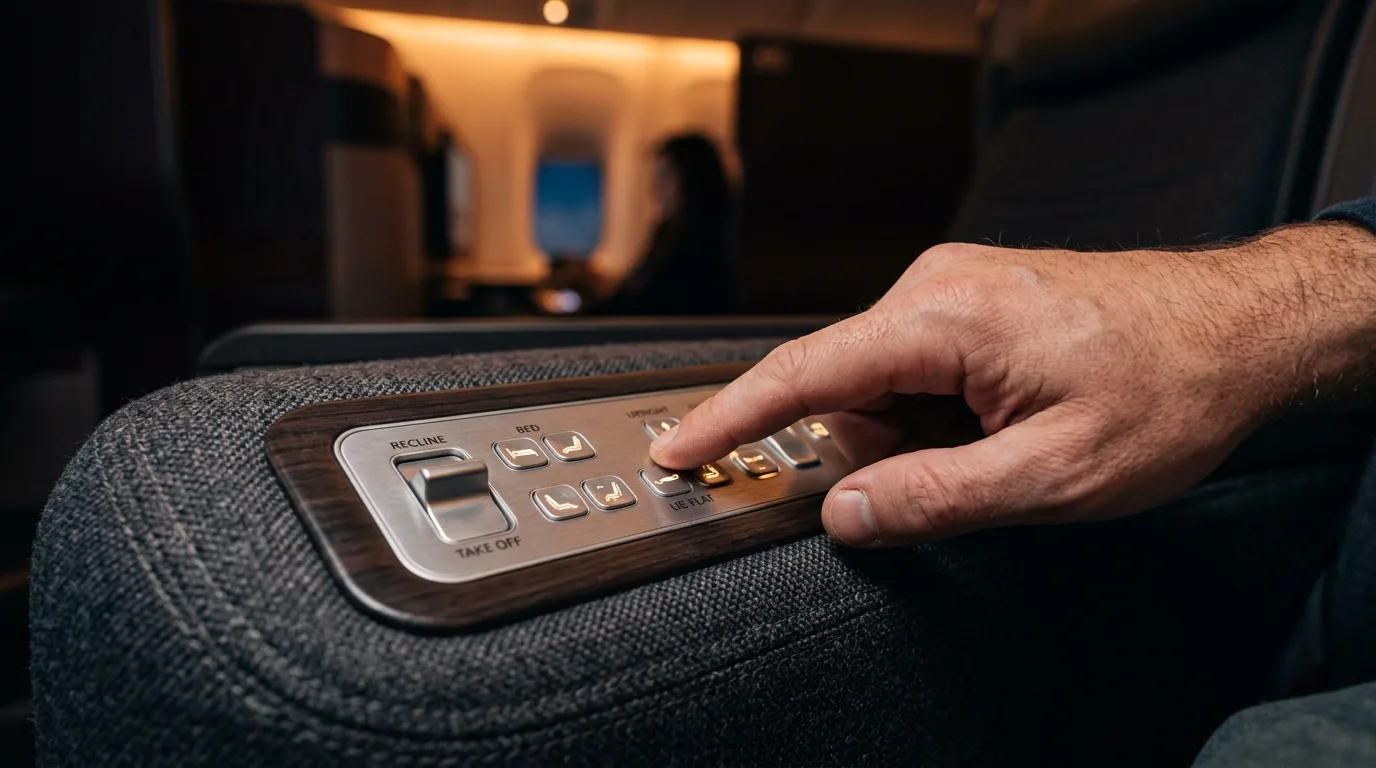
Here's the approach that I think is genuinely underrated: adults in business class, kids in premium economy or economy.
Before you call that monstrous parenting — hear me out. On a 12-hour overnight flight, kids under 10 often sleep better in economy than adults do. They're smaller, they're more adaptable, and they don't have the same "I can't sleep sitting up" problem most adults have. Meanwhile, you and your partner arrive rested, not wrecked, which makes the first two days of the trip dramatically better for everyone.
The logistics work fine on most widebody aircraft. Kids sit together in a middle section of economy or premium economy, you're a few rows ahead or in a separate cabin. Flight attendants on major international carriers are used to this and generally keep an eye on young passengers when asked. I'd set the floor at age 8 or 9 for this arrangement — younger than that and it gets complicated.
The seat selection trick for mixed-cabin bookings
When booking mixed-cabin, put the kids in the bulkhead row of premium economy — more legroom, easier for flight attendants to check on them. Book early enough to actually get those seats. And bring a cheap tablet loaded with offline content. You're welcome.
The savings are real. Premium economy on a transatlantic flight typically runs $800–$1,400 per seat round-trip, versus $2,500–$4,000 for business. Put two kids in premium economy instead of business and you've saved $3,000–$5,000 on a single trip. That's a lot of hotel upgrades or excursions on the other end.
Air France in particular has excellent premium economy on their A350s — real seats, not just slightly wider economy. If you're doing a mixed-cabin booking on a transatlantic route, they're worth looking at seriously.
What about positioning flights and getting to the long-haul departure?
Most families flying from smaller cities need a domestic connection to reach their international gateway. This is where mixed-cabin strategy gets even more interesting — and where I'd argue almost nobody should buy domestic business class for kids.
A 3-hour domestic flight is not where business class pays off for families. Buy economy for the domestic leg, save the points and money for the international segment. The domestic experience in "first class" on most US carriers is just a slightly bigger seat with a free drink — it's not worth the price premium when you're buying four seats.
For the positioning flights, I actually use FlightKitten — it's a fare monitoring tool built by the same team behind BusinessClassSignal, and it tracks economy fares across 220+ airlines. Starts at $4.99/month and sends you an alert when prices on a specific route drop below whatever threshold you set. For domestic legs, or if you're flying part of the family in economy on the international segment, it's genuinely useful to have running in the background. I set it up for the positioning routes and forget about it until an alert lands in my inbox.
Points and miles: the only way most families fly business class regularly
I'll be direct about this: if you're paying cash for business class for a family of four more than once a year, you're either in a very unusual income bracket or you're making a financial decision that deserves some scrutiny. The families I know who fly premium cabins regularly do it on points. Full stop.
The most common approach is using a transferable points currency — Chase Ultimate Rewards, Amex Membership Rewards, Citi ThankYou — and transferring to an airline partner when good award availability opens up. BusinessClassSignal monitors cash fares, but it's worth knowing that when cash prices drop sharply, award availability often opens up alongside them. Airlines release more seats when they're worried about filling the cabin.
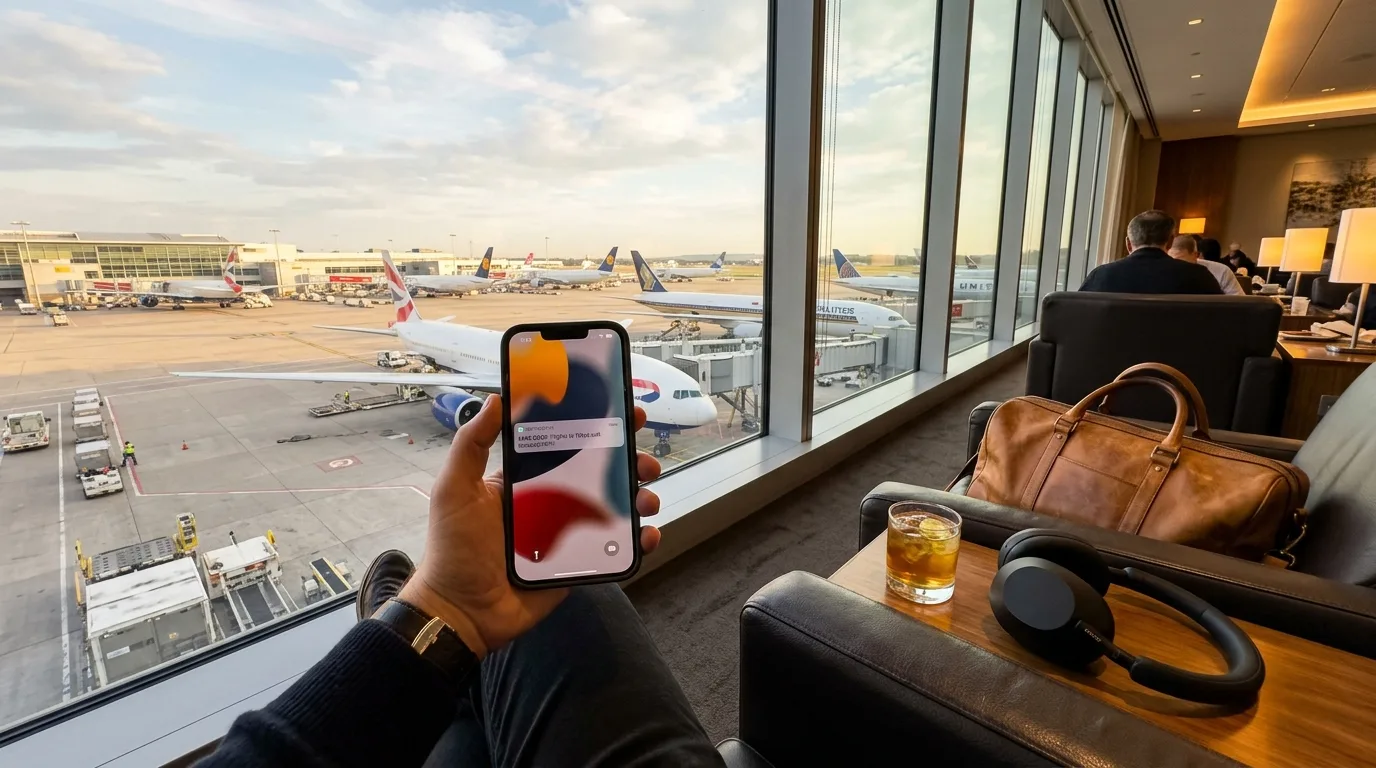
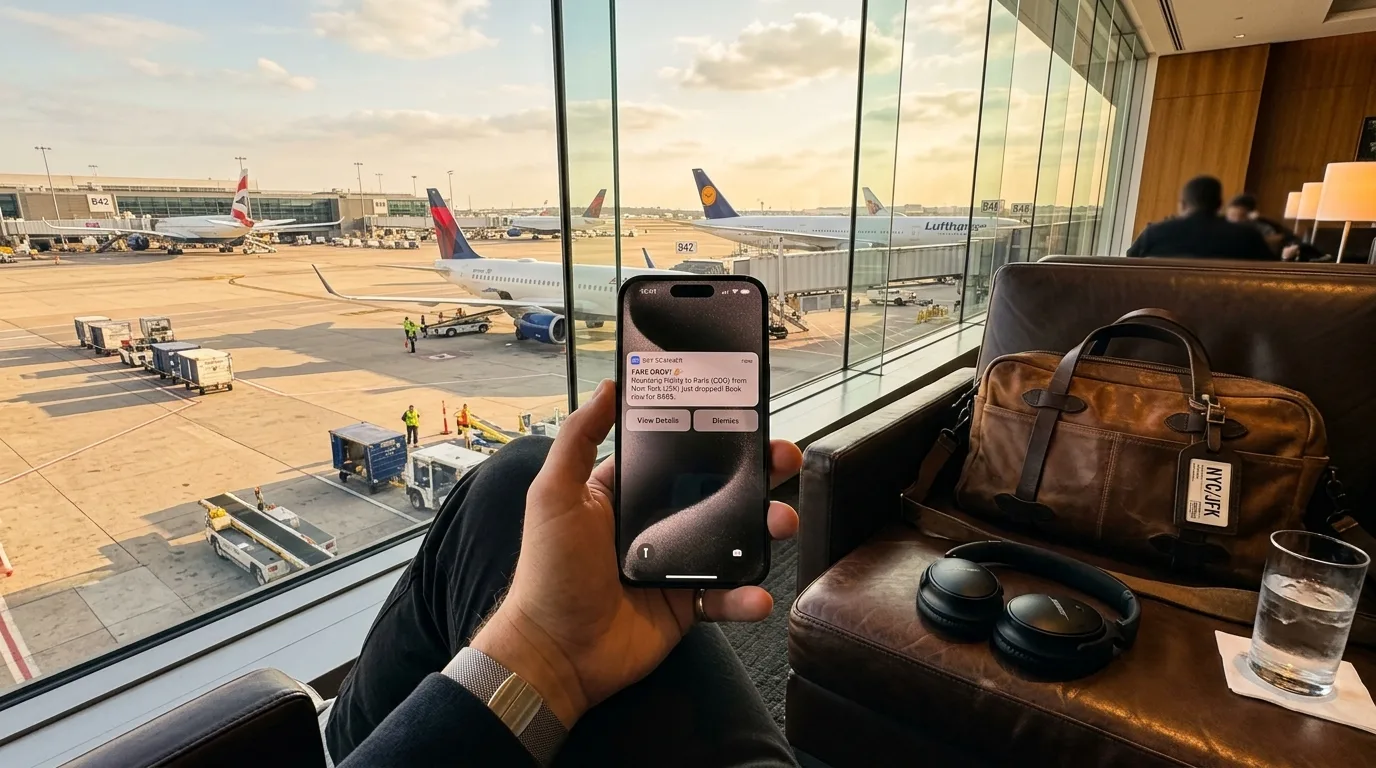
BusinessClassSignal scans over 800 business class routes twice daily and sends an alert when prices fall below a target price you set. The reason that matters for families is that brief flash sales — the ones that disappear in 24–48 hours — are exactly the kind of opportunity that's nearly impossible to catch manually when you're, you know, also parenting. The monitoring runs in the background and catches the window even when you're not watching.
If you're trying to buy cash tickets for a family, setting a target price that's realistic — not "I want four seats for $800 each" but something achievable based on historical data — is the right move. For transatlantic routes, I'd set alerts in the $1,400–$1,800 range per seat and be ready to move when they hit.
Set your BusinessClassSignal alert 10–15% below the current cash price, not at the absolute floor you'd hope for. You want to catch good deals, not wait forever for a miracle that may not come.
Airline-by-airline: who's actually good for families in business class
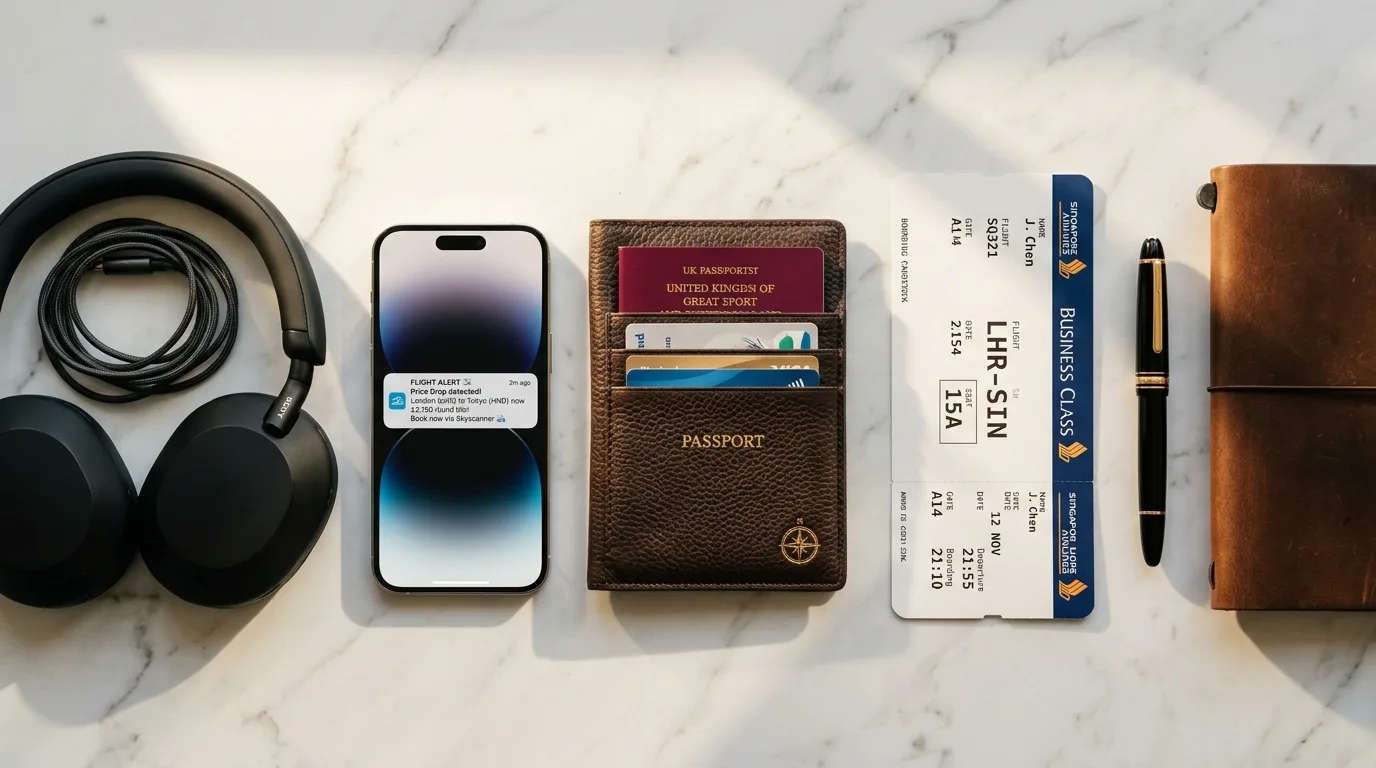
Not all business class products are equal, and some are genuinely better suited to traveling with kids than others. Here's where I'd actually point families.
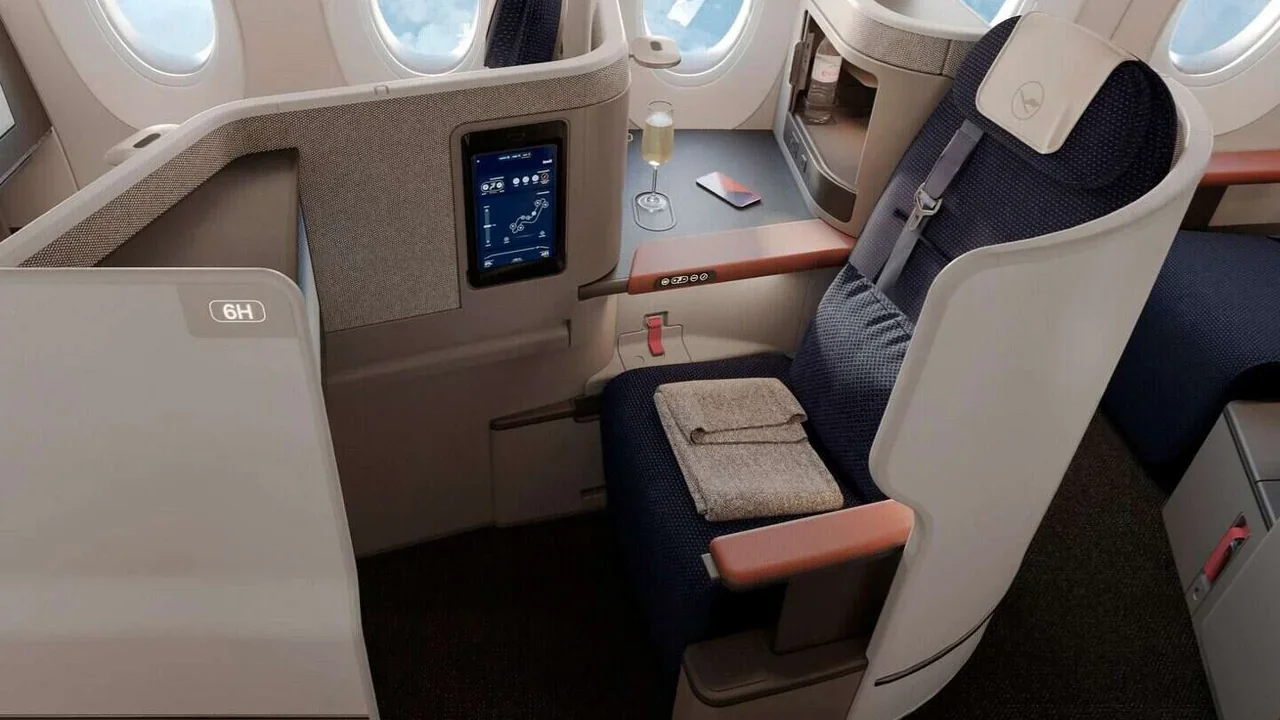
Qatar Airways QSuites — the best pure product for families, full stop. The QSuite has a double-bed configuration where two seats convert into a shared space, which means parents and kids can actually be next to each other and lie flat. It's the only business class I'd call purpose-designed for traveling in pairs or groups. The Doha hub (DOH) is manageable with kids, the lounge has decent food, and Al Maha immigration assistance is available if you have the status or connections.
Singapore Airlines — excellent product on the A350 and A380, and the crew are genuinely attentive with young passengers in a way that isn't performative. The seats are private but not so enclosed that kids feel isolated. The kids' meal options are better than most. I'd fly Singapore with my kids before almost any other carrier if the routing works.
British Airways — the Club Suite on newer aircraft (A350, some 777s) is fine. But the older Club World product, with the seats that face backward and have that awkward footwell arrangement, is not great for kids. The T5 Galleries Club lounge is crowded and the coffee is mediocre at best. If you're connecting through Heathrow with children, budget extra time — T5 is organized chaos during peak hours.
United Polaris — decent seat, good bedding, but the food is hit-or-miss and the service quality varies wildly by crew. The Polaris Lounges (Chicago is the best of them) are solid for families. I'd take it over Delta One on most routes just for the harder product, but it's not a glamorous choice.
Delta One — the Airbus suites (A330neo, A350) are genuinely good, and Delta's soft product has improved. But availability is still limited to specific routes and aircraft. If you're booking Delta One, check the specific aircraft before you buy — the older 767 seats are cramped enough to make the upgrade feel questionable.
Watch the aircraft type
Business class is not a consistent product even within a single airline. Always check the specific aircraft assigned to your flight before buying. A 767 "business class" on some carriers is a middle seat with extra legroom. An A350 suite is a private cabin. Same airline, completely different experience.
The age question: when are kids old enough to appreciate it?
This is more subjective, but I have a view. Kids under 5 genuinely don't care what cabin they're in. They care about whether they're fed, whether they have something to watch, and whether they can sleep. Business class doesn't solve any of those problems more effectively than economy does — it just costs five times as much.
Kids from roughly 8–12 start to actually notice and appreciate the experience. A lie-flat seat is a novelty, the menu feels exciting, the amenity kit is a real thing they'll use. This is the window where flying business class with family creates memories in a way that younger kids won't retain.
Teenagers, in my experience, appreciate it but won't admit it. They'll spend the whole flight on their phone regardless of cabin class, but they'll sleep better and arrive in better shape, which matters.
The age where it starts making logistical sense from a mixed-cabin perspective — putting kids in premium economy while adults fly business — is probably 9 or 10. Below that, most parents aren't comfortable with the separation, and I think that's reasonable.
How to actually find business class deals for a family
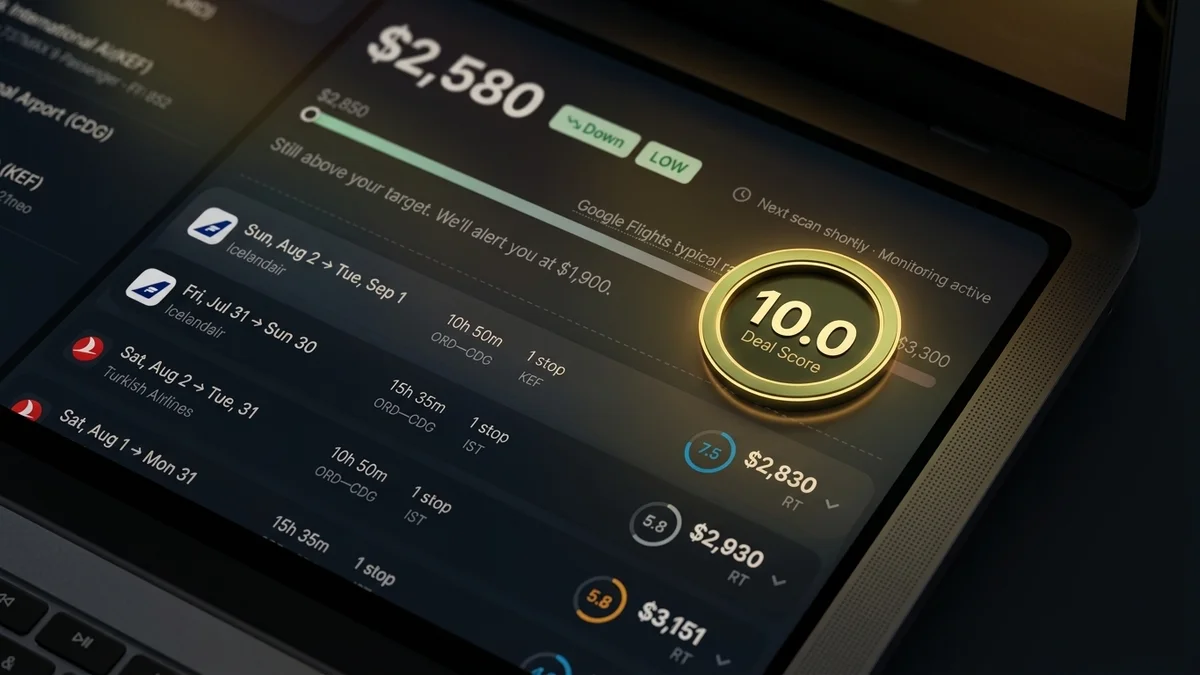
The honest truth is that monitoring fares for four seats simultaneously is harder than monitoring for one or two. Award availability for four seats in the same cabin on the same flight is genuinely rare on most programs. Cash prices for four seats simultaneously going on sale is a much more achievable target — airlines discount the whole cabin at once, so if seats are cheap, they're cheap for everyone.
This is where starting to monitor this route before you need to book makes a real difference. If your trip is 4–6 months out, setting up alerts now means you catch the window if it opens. Most families book too late and end up paying full retail because they didn't know a sale happened three months earlier.
BusinessClassSignal is built specifically for this. You set the route, you set the price you'd actually book at, and you get an email when it happens. The monitoring system runs twice daily — which sounds like a lot until you realize business class flash sales can open and close inside a 36-hour window. Manual checking doesn't catch those consistently.
ANA's business class to Tokyo is one I'd highlight for families specifically — the product on the 777-300ER is excellent, the crew are among the most patient and attentive in the sky with kids, and LAX–NRT is a route where prices occasionally dip into the $2,000–$2,600 range round-trip, which is reasonable for a 12-hour overnight flight. Worth setting a route alert and watching.
For long-haul family trips, book the international segment first, then the domestic positioning flights. International business class availability is the harder constraint. The domestic flights are almost always flexible.
What I'd actually do if I were booking a family trip tomorrow
If I were planning a 10+ hour overnight international trip with two kids aged 8 and 12, here's what I'd actually do, in order.
First, I'd check award availability across the programs I have miles in. I'd look at partner awards — United miles for ANA space, Virgin Atlantic miles for Delta One, Air France/KLM miles for their own metal. Transfer currencies give you options, and sometimes one program has availability that another doesn't.
If award space for four seats isn't there, I'd shift to the mixed-cabin approach: set a cash alert for two business class seats for the adults, and separately monitor premium economy for the kids. This splits the monitoring but keeps the budget from exploding.
If the destination is less than 8 hours and it's a daytime flight, I'd skip business class entirely for the kids and buy premium economy or exit row economy for everyone. It's not worth it.
And I'd start monitoring 4–6 months out. Not two weeks before departure when you're panicking and paying whatever's left.
The one thing most families get wrong
They wait until the trip is two months away and then complain that business class is too expensive. The deals happen earlier. Set the alert, be ready to book quickly when it hits, and don't wait until you're in "planning mode" to start watching prices.
Flying business class with family isn't something you can impulse-buy your way into sensibly — not for four seats. But with the right routing strategy, the right timing, and some actual fare monitoring running in the background, it's more achievable than most families think. Especially for the flights where arriving rested genuinely changes the trip.
Monitor business class fares for your family's route — 7-day free trial, no credit card required
Try Free```