Quick summary
Singapore Airlines and Cathay Pacific are the two airlines most frequently cited when people ask about the best business class in the world — and for good reason. Both are genuinely excellent. But they're excellent in different ways, and depending on your route, your priorities, and what you actually care about at 35,000 feet, one will suit you considerably better than the other.
I've flown both airlines more times than I can count at this point. Singapore Airlines business class on the 777-300ER, the A350, the A380 upper deck. Cathay on the 777-300ER, the A350-900, and the older 777-200 before they retired those seats. I have opinions. Strong ones, in some cases. And I'll try to be honest about where each airline falls short, because neither of them is perfect — even if the travel press occasionally writes about them like they are.
Let me get into the specifics.
The seats: where the gap is smaller than you'd expect
For a long time, Singapore Airlines held a commanding lead on hardware. The Singapore Airlines Suites product on the A380 is still the most impressive commercial aircraft cabin I've ever set foot in — a private room, essentially, with a full door and a double bed you can actually sleep in. But we're comparing business class here, not first, so let's be fair about that.
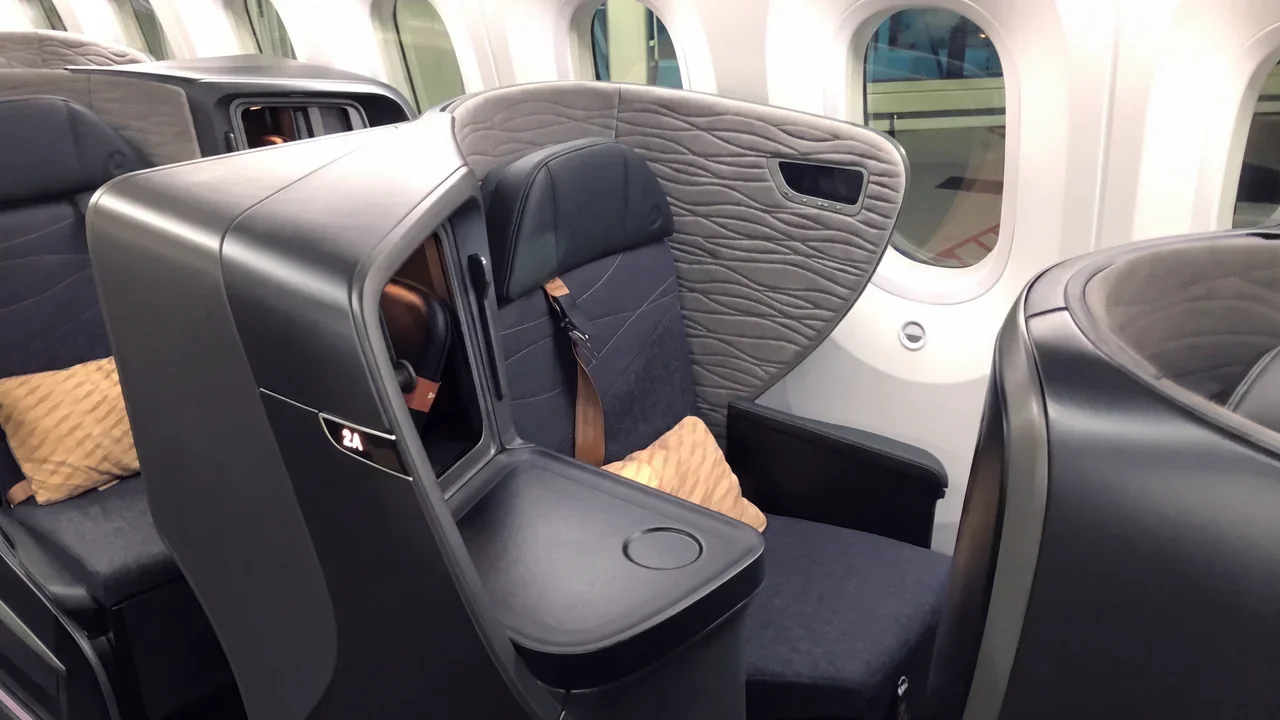
In business class, Singapore flies the Book the Cook-era 777s with the old 2-2-2 layout on some regional routes, but on long-haul flights out of the US, you're almost certainly going to get the newer reverse herringbone seats on the A350 or the A380 upper deck. These are proper lie-flat seats in a 1-2-1 configuration, with direct aisle access from every seat. The seat width is around 22 inches, which is comfortable without being remarkable.
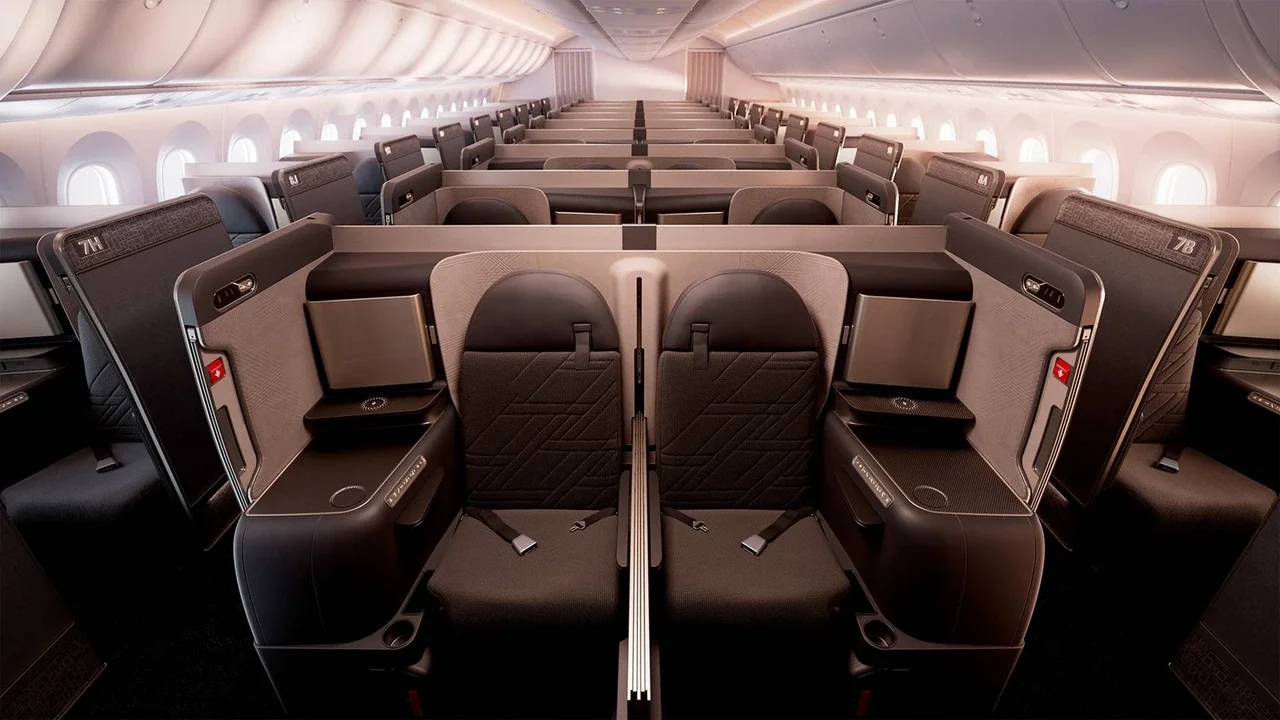
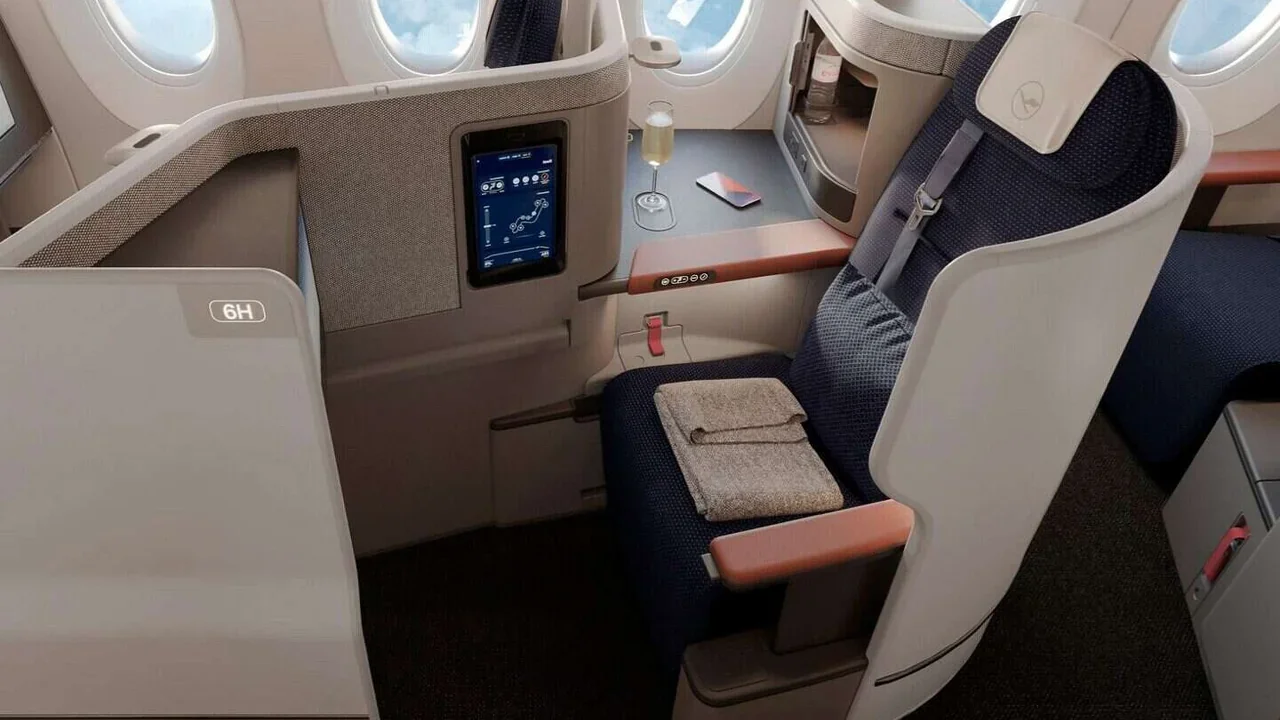
Cathay's current long-haul business class product — the one you'll find on the A350-900 and most of their 777-300ERs — is a reverse herringbone as well, also 1-2-1. The seat width is similar, roughly 21 inches. Both seats fully recline to a flat bed. Both have a decent amount of storage. On paper, they're very close.
Here's where they differ: the Cathay seat has a slightly more enclosed, pod-like feel. The privacy divider between window and aisle seats is a bit more substantial, which I appreciate on overnight flights when the cabin lights are cycling and people are moving around. Singapore's seats feel slightly more open — some people love that, some find it less private. Comes down to personal preference.
Seat selection tip
On Cathay's A350-900, avoid seats in row 11 — they're close to the galley and you'll hear crew activity throughout the flight. Rows 15-20 on the same aircraft are quieter and worth requesting when you book.
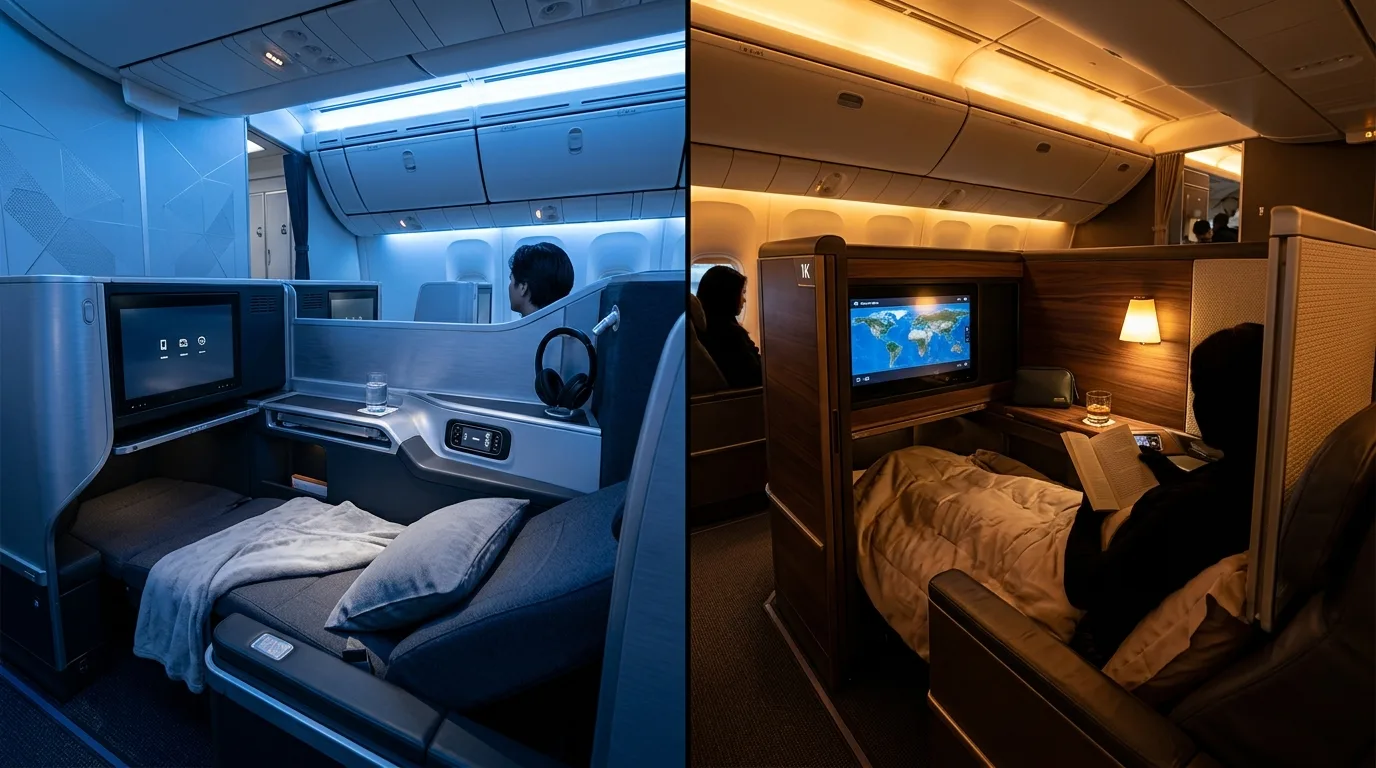
One thing Singapore does better: the bed. When you lay the seat flat, the mattress topper they provide on long-haul flights is noticeably thicker than Cathay's. I slept better on Singapore's SQ25 from JFK to Frankfurt than I did on most other long-haul flights, and the bedding deserves some credit for that.
Neither airline has a bad seat in business class. But if forced to pick purely on hardware, Singapore edges it — mostly because of that mattress.
Dining: the biggest difference between the two
This is where things get genuinely interesting, and where Singapore Airlines pulls ahead by a wider margin than the seat comparison suggests.
Singapore's Book the Cook program has been around for decades and it still works better than anything Cathay offers. The concept is straightforward: before your flight, you reserve a specific dish from a menu that changes seasonally and varies by departure city. On flights out of New York, the options typically include things like a braised short rib with truffle mashed potato, a butter poached lobster, and a satay starter that I've ordered on probably six consecutive Singapore flights because it's that good. The satay alone — served with peanut sauce, cucumber, and compressed rice — is better than food I've had in actual restaurants.
You have to reserve at least 24 hours before departure. Don't forget to do this. I've shown up without a reservation twice and ended up with the standard meal service, which is still decent but noticeably a step down.
Book the Cook reservations open as soon as you ticket. Do it the same day you book your flight — the popular options (especially the lobster on transatlantic routes) sell out weeks before departure.
Cathay's dining is good. I want to be clear about that — it's not a disappointment. The noodle dish served on flights from Hong Kong is a genuine highlight, and they've put real effort into the wine list over the past few years. But they don't have a pre-order system that matches Singapore's, and the standard meal service, while solid, doesn't have the same peaks. The food is more consistent in a mid-range way. Singapore has higher highs.
Cathay does win on one thing: dim sum on certain Hong Kong-origin flights. If you're connecting through HKG and your departing flight offers the dim sum option, it's worth staying awake for. Siu mai, cheung fun, and a decent char siu bao at 38,000 feet is a legitimately good experience. Singapore doesn't have an equivalent on most US-origin routes.
In-flight entertainment: both good, one slightly better
Singapore's KrisWorld entertainment system is consistently ranked at the top of these comparisons, and I don't think that's entirely undeserved. The screen on the A350 is large (18 inches in business class), the interface is responsive, and the content library is genuinely wide — around 1,000 movies at any given time, plus a solid collection of TV series, documentaries, and audio content. Noise-cancelling headphones are provided and are actually good enough that I don't always bother bringing my own Bose.
Cathay's StudioCX is comparable. The screens are similar in size, the content library is competitive, and the interface has improved significantly over the past few years. Where it used to feel slightly clunky, it's now smooth enough that I don't find myself annoyed by it. Their headphone quality is slightly below Singapore's — I'd bring your own Bose or Sony headphones on Cathay regardless.
Both airlines have Wi-Fi on long-haul routes. Both charge for it. Singapore's Wi-Fi pricing is tiered by data (around $28 for 100MB, which is not a lot), while Cathay charges by time or data package and tends to be slightly better value on longer flights. Neither is cheap enough that I use it casually — I download what I need before I board.
Which airline has better Wi-Fi on transatlantic routes?
Honestly, neither is great by the standards of 2025. Singapore has been rolling out faster satellite-based connectivity on newer aircraft, and flights on the A350 are noticeably better than on older 777s. Cathay is in a similar position — the A350-900 fleet has better coverage than their older metal. If staying connected for work is critical, check the specific aircraft type on your booking and look at recent passenger reports on Flightradar24 forums or FlyerTalk. The gap between the two airlines on this metric is smaller than the marketing suggests.
I'd call IFE a draw, with Singapore getting a slight edge on headphone quality and screen brightness.
The lounges: Singapore wins at Changi, Cathay wins at The Pier
If you're flying Singapore Airlines business class through Singapore's Changi Airport, you have access to the SilverKris Business Class Lounge. I've spent a lot of time in Terminal 3's version. It's large, it's well-maintained, the food buffet is above average for airport lounges, and the bar selection is decent. But it's not the Qantas First Lounge in Sydney or the Cathay First Class Lounge in Hong Kong in terms of atmosphere. It feels more like a very nice hotel lobby than a destination lounge. Functional and comfortable, not remarkable.
The Singapore Changi experience overall is hard to beat, though. The airport itself compensates for whatever the lounge lacks — the Terminal 1 transit hotel, the butterfly garden, the ability to clear customs and reenter without losing your spot in the transit area. If you have a long layover at Changi, the lounge is almost secondary.
Cathay's The Pier Business Class lounge at Hong Kong International is a different story. I think it's the best business class lounge I've been in, full stop. The noodle bar alone — where you order congee or wonton noodle soup freshly made to order — is worth a stopover in Hong Kong. The design is genuinely considered: warm lighting, good acoustics, a reasonable number of shower suites, and a bartender who actually knows what he's doing. I had a proper Negroni there at 7am once and felt no guilt whatsoever.
If you're flying from the US, though, neither of these lounges is relevant for your departure. From New York JFK, Singapore Airlines uses the Korean Air Lounge in Terminal 1, which is fine but nothing to write home about. Cathay uses a dedicated lounge in the same terminal that's slightly better — a bit more space, a slightly nicer food selection. Neither compares to what you'll find at their home hubs.
US departure lounge reality check
Don't book Singapore or Cathay Pacific based on lounge quality from US airports. The JFK and LAX departure lounges for both airlines are third-party facilities or leased spaces that bear no resemblance to what you'll find at Changi or HKIA. The lounge comparison only matters if you're connecting through their home hubs.
How does pricing compare from the US?
This is where BusinessClassSignal data gets interesting. We monitor both of these routes daily, and the pricing patterns are genuinely different.
Singapore Airlines business class from the US to Southeast Asia or Australia typically runs between $4,000 and $7,000 round-trip in paid fares. But Singapore does drop prices periodically — often around their anniversary sales in October and during quieter booking periods in January and February. We've seen fares as low as $2,800 round-trip on JFK-SIN with a stop in Frankfurt, which is genuinely good for a 19-hour journey in a lie-flat seat.
Cathay Pacific business class from the US to Hong Kong, and onward to Southeast Asia, runs similarly. JFK to HKG in business class is typically $3,500 to $6,500 round-trip. But Cathay has historically been more aggressive with flash sales, particularly on routes where they face competition from other carriers. LAX-HKG in business class has dipped below $2,500 round-trip on a handful of occasions in the last two years — briefly, and without much warning.
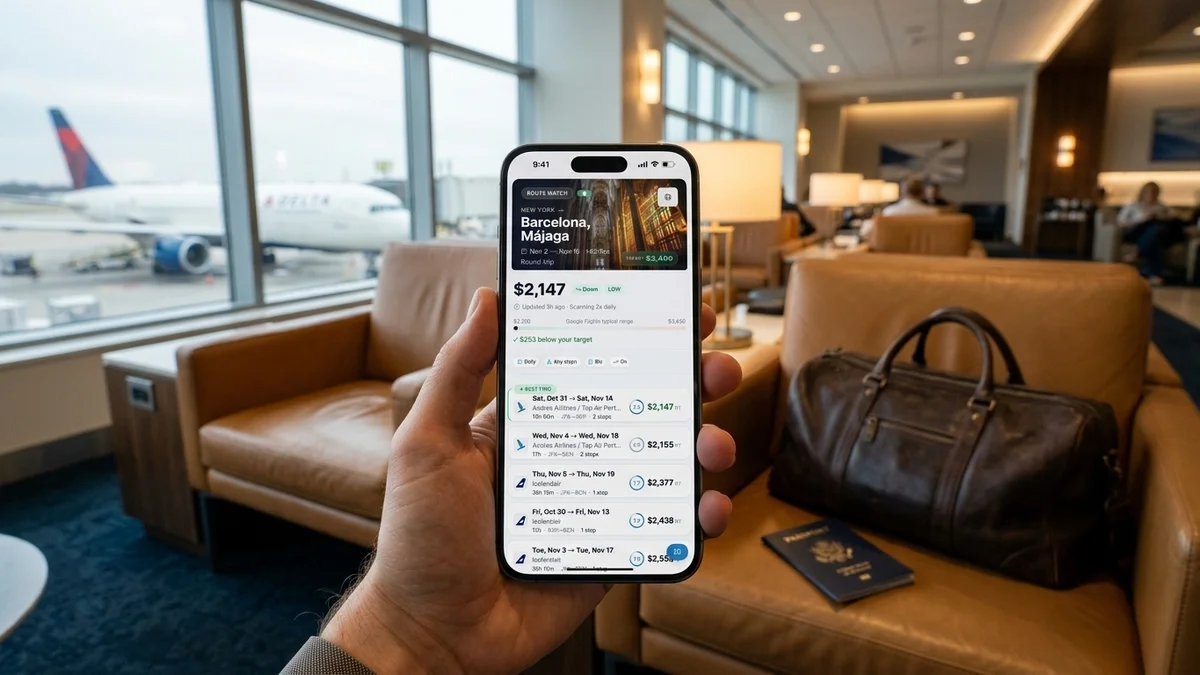
The honest answer on pricing: neither airline is cheap, and neither offers a consistent discount. The deals exist, but they're short windows — sometimes 24 to 48 hours — and if you're not watching the route, you'll miss them. That's exactly what how the monitoring system works at BusinessClassSignal is designed to catch. You set a target price, and we alert you when a fare drops below it. Simple concept, but it works.
Award availability is a separate conversation. Singapore Airlines has notoriously limited Saver award space on its own metal — they don't release much to partners, and even KrisFlyer members sometimes struggle to find good availability on popular routes. Cathay is slightly more generous with Asia Miles availability, particularly on the HKG routes, though "generous" is relative. Both airlines have tightened considerably since 2020.
Singapore vs Cathay business class: the honest verdict
I get asked this question constantly, and I've stopped giving a definitive answer because it genuinely depends on what you care about.
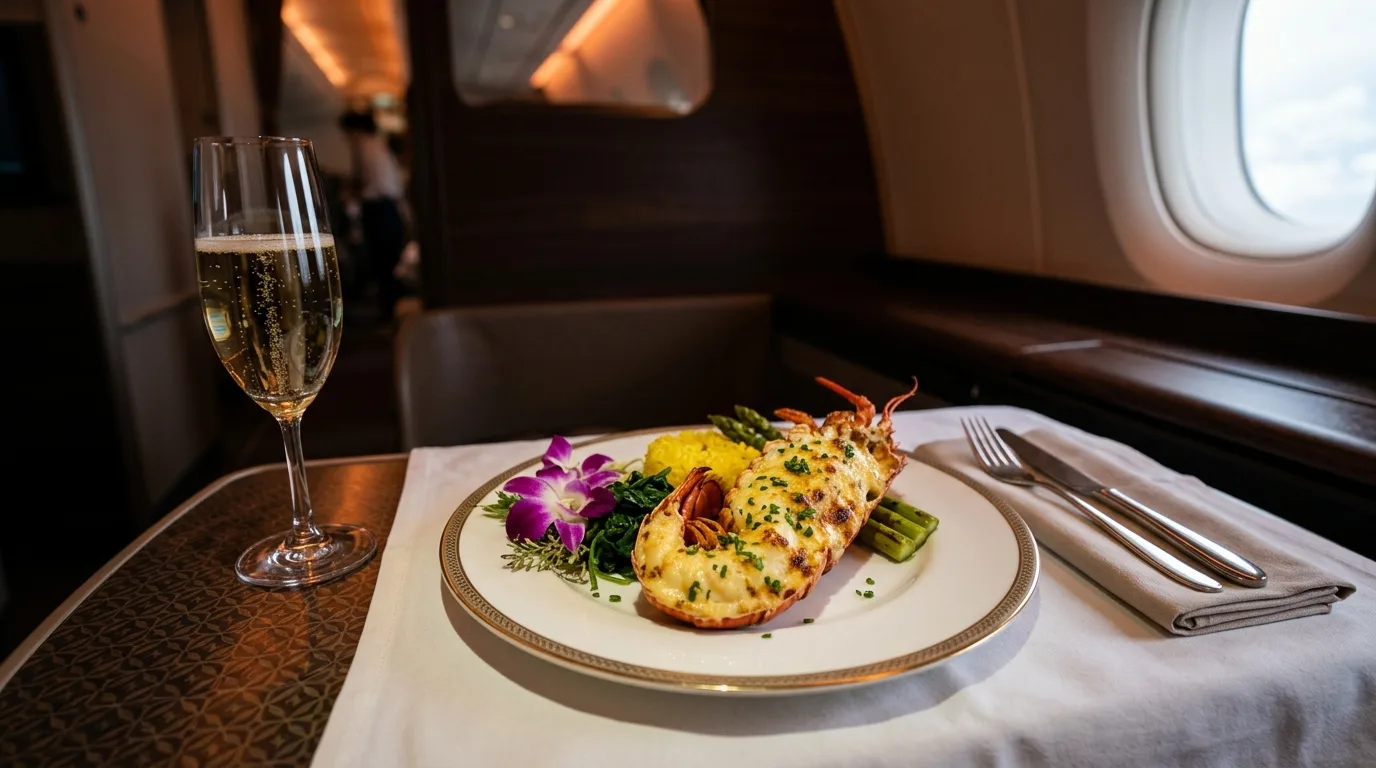
If food and sleep quality are your top priorities, Singapore wins. The Book the Cook program is a real differentiator, and the bedding is better. For a long overnight flight — Singapore to London, or New York to Frankfurt on Singapore's A380 routing — I'd choose Singapore every time.
If you're routing through Asia and care about the stopover experience, Cathay is worth considering, especially if you can spend a night in Hong Kong. The Pier lounge, a night at the Regal Hotel or the Marriott Sky City across from the terminal, and then continuing on to wherever you're going — that's a genuinely good travel day. Cathay also has solid onward connections throughout Southeast Asia that compete well with Singapore's network.
On pure seat comfort, they're nearly equal. On IFE, nearly equal. On pricing from the US, nearly equal — both require patience and fare monitoring to catch the good windows.
Where Singapore pulls ahead clearly: the overall polish of the product. The crew training, the consistency, the little things like the orchid in the lavatory and the fact that the cabin always feels like someone has been paying attention to it. Cathay's crew are warm and professional, but Singapore's service training is on another level. I've had a few forgettable Singapore flights, but I've never had a bad one. That's a meaningful track record over 12 years.
Cathay's strongest argument is value. When they discount, they discount meaningfully, and the product you get for the price is genuinely competitive. If you're flexible on timing and watching the fares, Cathay Pacific from the US to Asia can represent better value than almost anything else in the market.
Award redemption note
If you're planning to use miles, Singapore's KrisFlyer program and Cathay's Asia Miles program have very different redemption rates and partner policies. Before booking either way, check current partner award pricing — it changes frequently and the "sweet spots" shift. We track this on the Cathay Pacific and Singapore Airlines airline pages.
Which routes each airline actually covers from the US
This matters more than people give it credit for. Singapore Airlines flies nonstop from New York JFK to Singapore (SQ25/SQ26) — this is the world's longest commercial flight at just under 19 hours, and it's a legitimately impressive operation. They also serve Los Angeles, San Francisco, Seattle (seasonal), and Houston from the US. The Houston-Manchester-Singapore routing is a useful option for travelers in the South who don't want to deadhead to a coast.
Cathay Pacific operates from New York JFK, Los Angeles, San Francisco, Chicago, Boston, and Vancouver. The LAX-HKG route is their busiest US gateway and tends to have the best fare availability. From Hong Kong, Cathay connects to over 50 destinations across Asia, which is a strong network if you're continuing beyond HKG.
One thing worth knowing: if your final destination is somewhere like Bali, Kuala Lumpur, or Bangkok, the connection experience matters. Singapore's Changi connections are generally smoother than Hong Kong's, which can get congested during peak periods. I've had a 90-minute connection at HKIA that felt genuinely tight because of queues at the transfer security desk. Changi, in my experience, handles tight connections more reliably.
If you're trying to decide between the two specifically for a US-to-Southeast-Asia trip and you're open to either routing, I'd recommend browsing both routes and setting alerts on both. The right answer often ends up being whichever one drops to a good price first.
Both airlines are worth flying. I mean that. In a world where plenty of carriers have walked back their business class products or squeezed in an extra row at the expense of seat pitch, Singapore and Cathay have held their standards. The singapore vs cathay business class debate is a good problem to have — you're choosing between two of the better options in the sky.
Set your target fare, watch both routes, and take whichever deal comes first. That's genuinely what I'd do.
Monitor Singapore Airlines and Cathay Pacific business class fares — get alerted the moment prices drop below your target
Try Free for 14 Days