Quick summary
First class costs two to four times more than business class on most long-haul routes, but the gap in actual experience has narrowed considerably over the past decade. On a handful of airlines — Singapore, Emirates, ANA — first class is genuinely worth the premium. On most others, you're paying a lot of money for marginal improvements over an already excellent business class product.
The question people actually mean to ask
When someone asks me whether they should book business class vs first class, what they're usually really asking is: "Am I going to feel like an idiot for not upgrading?" And the honest answer is that it depends almost entirely on which airline we're talking about.
I've sat in first class on Singapore Airlines A380s and genuinely felt like I was in a different category of travel. I've also sat in first class on a legacy US carrier and thought: this is basically the same seat with a slightly better pillow and a cheese plate that wasn't worth the extra $3,000.
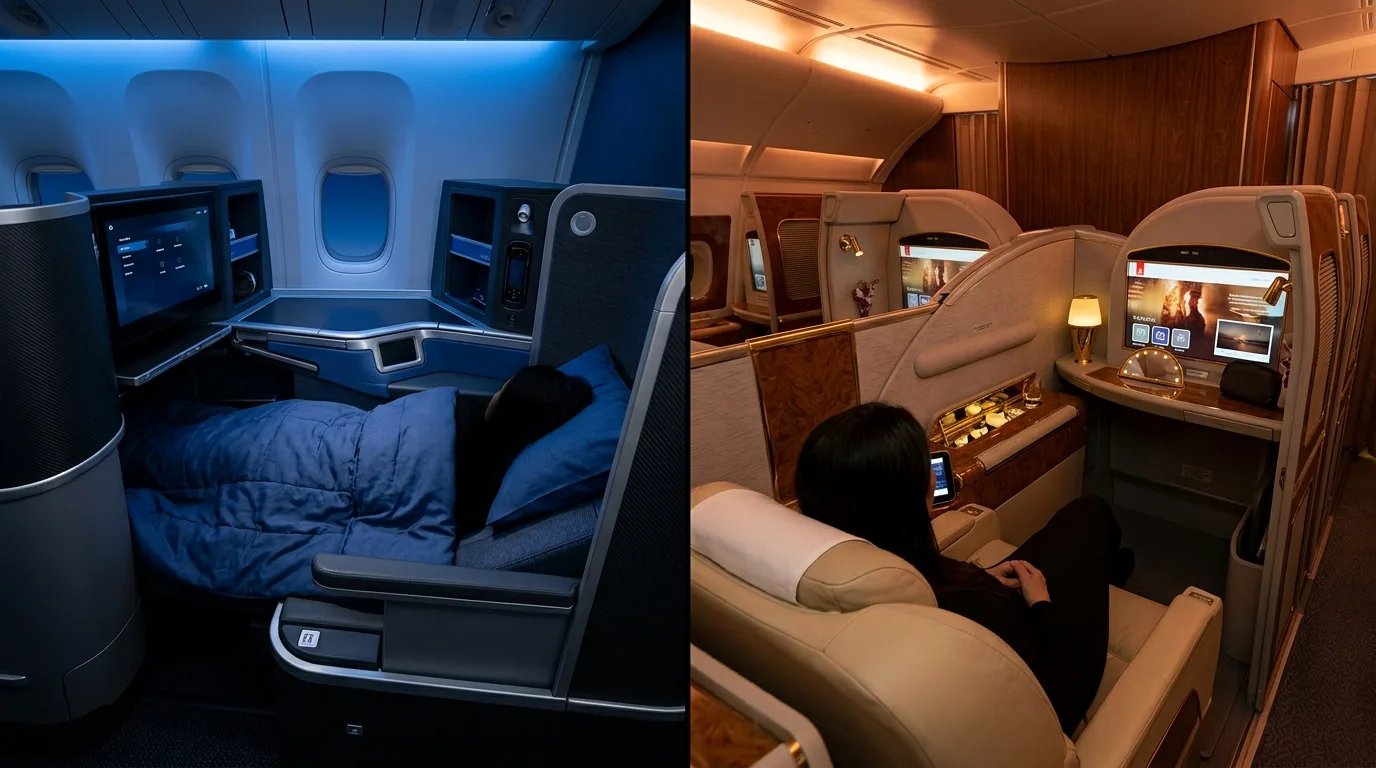
That's the thing about this comparison. "First class" is not a standardized product. Business class, at least on the major international carriers, has converged toward a fairly predictable set of expectations: lie-flat seat, direct aisle access, decent food, a lounge at each end. First class, on the other hand, ranges from "genuinely transformative hardware" to "old business class seat with a curtain."
What you're actually paying
Let's start with the numbers, because they're important context.
Those are retail prices, and nobody sane is paying retail for either. But the ratio holds roughly true even when you're working with sale fares or points redemptions. First class tends to cost two to four times the business class price on the same route. On some routes, it's higher. Singapore Airlines first class from New York to Singapore in cash? You're looking at $15,000+ round-trip at full fare. Business class on the same flight runs around $4,000–$6,000 depending on the season.
The points math is similarly lopsided. Many programs charge 1.5x to 2x the points for first class versus business. And first class award space is genuinely scarce — airlines protect those seats hard.
Business class vs first class: what's actually different
Let me break this down by the things that actually matter when you're 35,000 feet over the Atlantic at 2am.
The seat
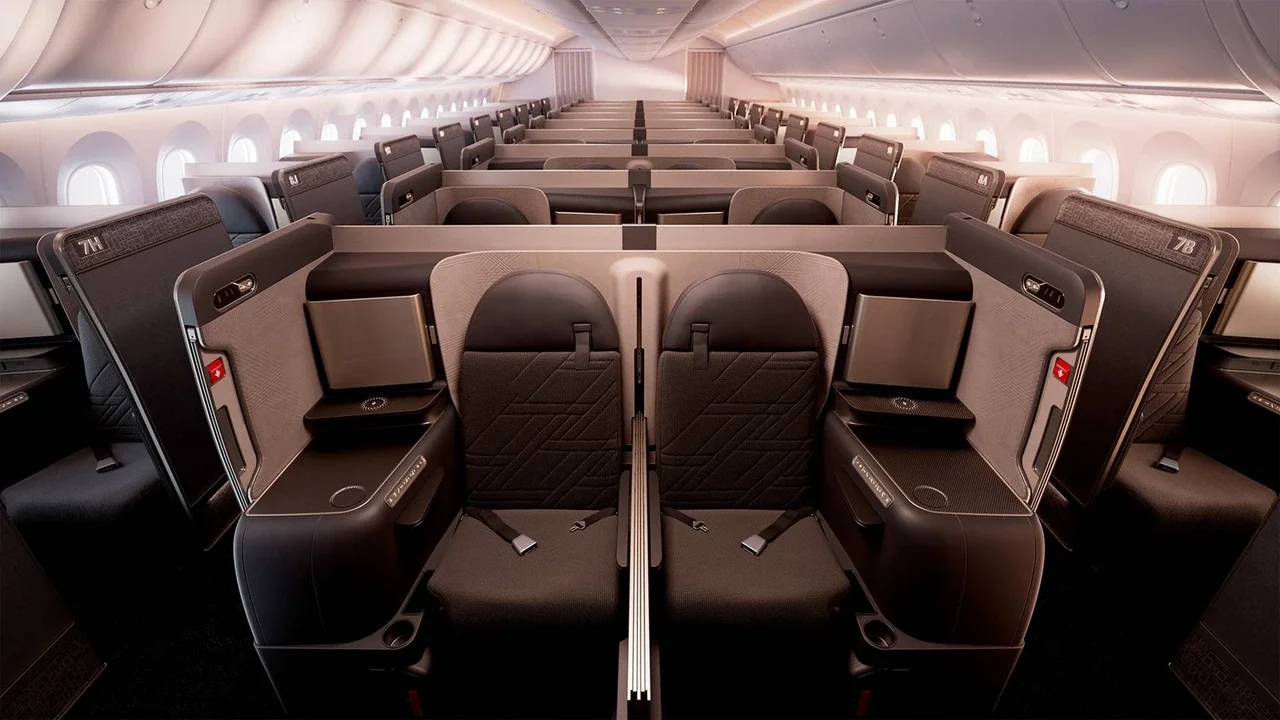
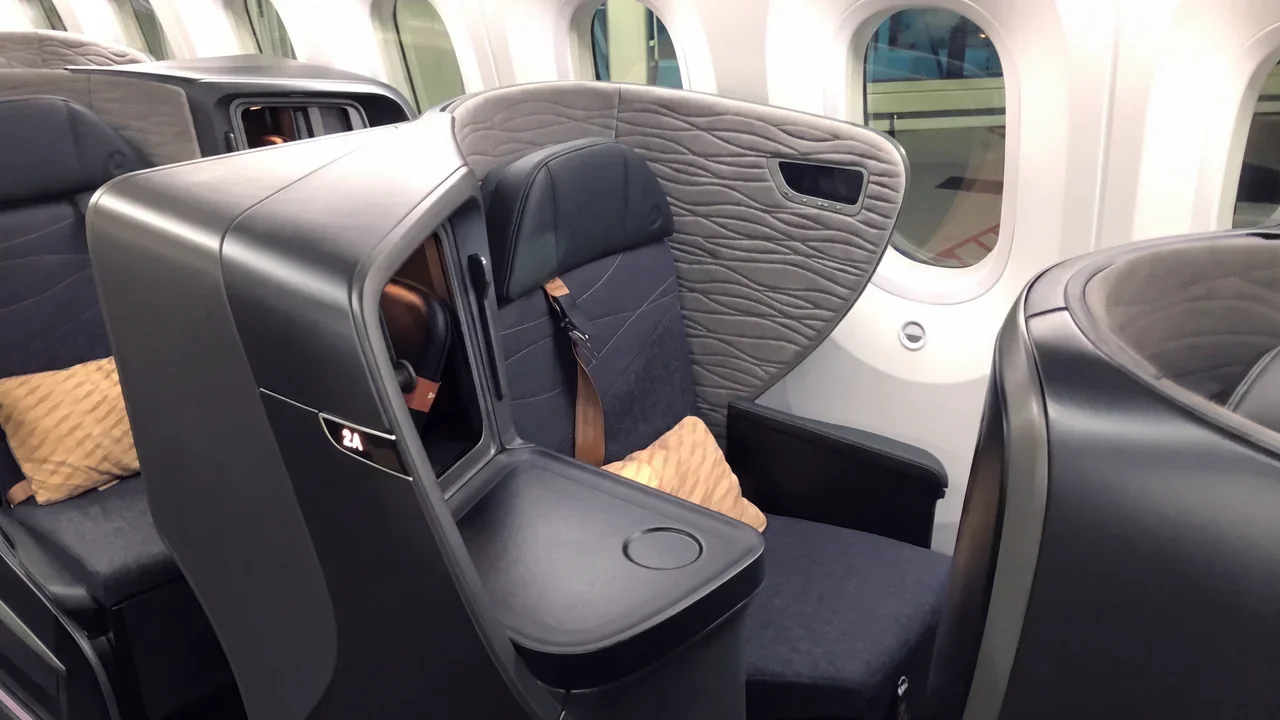
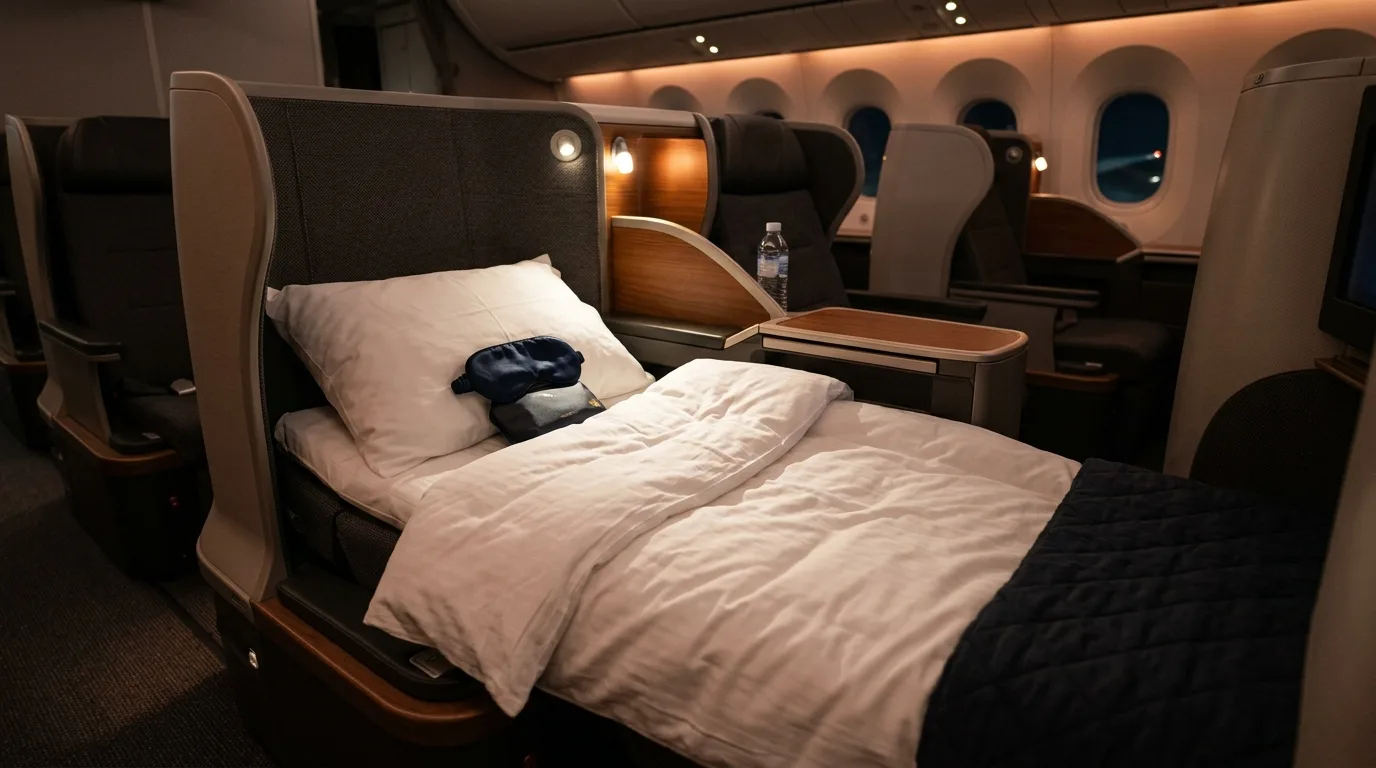
In business class on most top-tier airlines — Qatar Qsuites, Singapore Business, ANA Business — you're getting a fully flat bed, a door you can close, storage, and enough personal space that you won't feel claustrophobic. Qsuites in particular has spoiled a lot of people. The double-bed configuration, the privacy panels, the sheer amount of room — it's hard to argue that first class on a lesser airline beats it.
First class on the airlines that do it well gives you a genuinely larger suite. Singapore's A380 first class suites are 35 square inches of floor space. There's a separate bed that a crew member makes up for you. The ottoman and the seat are distinct pieces of furniture. ANA's "The Room" in business class is excellent, but their first class on the 777 is on a different level — wider, longer, with a seat that converts into a proper double bed when paired with a companion.
But here's the thing: the business class seat on a Qatar Qsuites flight is already so good that the marginal improvement from first class (on airlines that even offer it) is genuinely small for most travelers.
Seat tip for solo travelers
If you're flying solo and want maximum privacy, Qatar Qsuites in business class actually beats the first class product on several airlines because of the door and the layout. It's worth comparing seat maps rather than just cabin labels.
Food and drink
This is where first class genuinely pulls ahead on the right airlines. Not in terms of being "fancier" in some abstract sense, but in terms of actual flexibility.
Singapore first class offers a Book the Cook ordering system with real restaurant-quality dishes — a beef tenderloin that would be at home in a decent steakhouse, a lobster thermidor that I've had twice and can confirm is not a gimmick. The caviar service is real Ossetra. You can eat whenever you want, as much as you want, and the crew-to-passenger ratio means someone is actually paying attention.
Emirates first class has a bar — a physical bar you can walk to — with a bartender. That sounds like a novelty until you're six hours into a flight and you want a Negroni without asking anyone.
Business class food, even on the best airlines, is still tray service with a menu. It's often genuinely good, but it's a different experience. The crew ratio in business is typically 1:8 or 1:10. In first class, it's often 1:3 or better.
The lounge situation
Both cabins get lounge access. The difference is whether you're accessing the general business class lounge or a dedicated first class facility.
At Heathrow Terminal 5, the BA Concorde Room (for first class passengers) is a meaningfully better experience than the main Galleries lounge — quieter, better food, a spa, dedicated check-in. The main Galleries lounge at T5 is fine but it gets crowded and the food options are hit or miss. I've found the coffee there mediocre at best, which shouldn't be a problem in 2024 but here we are.
Singapore's private rooms at Changi for Suites passengers are genuinely exceptional — individual dining rooms, shower suites, a level of service that makes you feel vaguely guilty.
But if you're connecting through a hub where the airline doesn't have a dedicated first class lounge? You're often in the same space as business class passengers anyway. This is particularly true on US carriers and some European ones.
Check whether the specific airport you're departing from has a dedicated first class lounge before paying the premium. At some outstations, there's no meaningful difference.
When first class is worth it
I'll be direct: the list of airlines where first class is genuinely worth the premium over business is short.
Singapore Airlines is at the top. The Suites product on the A380 is a different category of travel. The private suite with a closing door, the separate bed, the on-board chef concept, the Krug by the glass — it's the benchmark. If you can get Suites on a KrisFlyer redemption at 92,000 miles one-way (which still occasionally surfaces, though it's getting harder), it's worth doing at least once. ANA on their 777 first class is exceptional. The seat is massive, the food is some of the best I've had in the air, and the crew service is the kind of attentive-without-being-intrusive that's genuinely hard to find. ANA first class on the Tokyo routes is a reason to fly through Narita specifically. Emirates first class on the A380 is worth it if you care about the shower and the bar. The shower is 5 minutes of hot water at 40,000 feet, which is exactly as absurd and delightful as it sounds. The bar is legitimately fun. The food is good. The seat itself is excellent but not dramatically ahead of their business class. Lufthansa first class gets an honorable mention. The Frankfurt first class terminal is a proper experience — private check-in, your own lounge, a car that drives you to the plane. The seat and food are excellent. But it's only available from Frankfurt and Munich, and the award availability has tightened considerably.Airlines where first class isn't what you think
Air France, British Airways, and most US carriers have first class products that are not in the same conversation as the above. BA's First on short-haul is just a blocked middle seat. Their long-haul First is decent but not dramatically ahead of Club Suite business class for most travelers. Don't pay four times the price expecting a Singapore-level experience.
When business class is the smarter call
Most of the time, honestly.
If you're flying Qatar Airways in Qsuites, you're already in one of the best seats in the sky. Qatar doesn't have a first class product on most routes, which means the airline has poured everything into business. The result is a product that beats first class on airlines that don't prioritize the cabin.
Same goes for Cathay Pacific. Their business class is excellent — fully flat, direct aisle access, good food, one of the better IFE systems out there. Their first class exists but it's not available on all routes and the premium is hard to justify unless you're doing it on a great redemption.
Tokyo and Hong Kong routes are interesting because you have so many strong business class options competing on the same corridors that the value in business is genuinely strong. I'd book ANA or Cathay in business over United or American in first without hesitating.For most people flying for work, the business class vs first class question resolves itself quickly: your company isn't paying for first class, and the points cost is too high for what you get unless you're on one of the handful of airlines that actually delivers.
What about ultra-long-haul flights?
This is where people often think first class becomes more justifiable. And there's logic to it — if you're doing Singapore to New York (18+ hours), shouldn't you be in the best possible seat?
Maybe. But the practical reality is that on ultra-long-haul flights, what matters most is the bed. And the business class bed on Singapore, Qatar, or ANA is already genuinely comfortable. I've done the Singapore-New York route in business class and slept 8 hours. The marginal sleep quality improvement from a first class bed is real but not dramatic enough to justify $8,000 extra in cash.
Where first class does make a difference on very long flights is the service flexibility. Being able to eat whenever you want, having a crew member proactively checking on you, not having to time your meal request around the service trolley — that stuff adds up over 18 hours. But it's a soft benefit, not a hard one.
The best business class seats for long-haul flights covers the specific seat configurations worth targeting if you want to maximize comfort without going to first.The points angle: where the math gets interesting
If you're paying cash, first class is almost never worth it unless someone else is paying or you've had a very good year. The math just doesn't work for most people.
But if you're redeeming points, the calculation shifts. Award prices for first class are high but sometimes not proportionally as high as cash fares. The sweet spot is finding a program where the jump from business to first class costs a relatively small number of additional points but delivers a meaningfully better experience.
ANA Mileage Club is one example. Their own first class awards from North America to Japan are expensive in miles, but partner award rates through programs like Virgin Atlantic Flying Club have historically offered better value. It changes frequently, which is why monitoring matters.
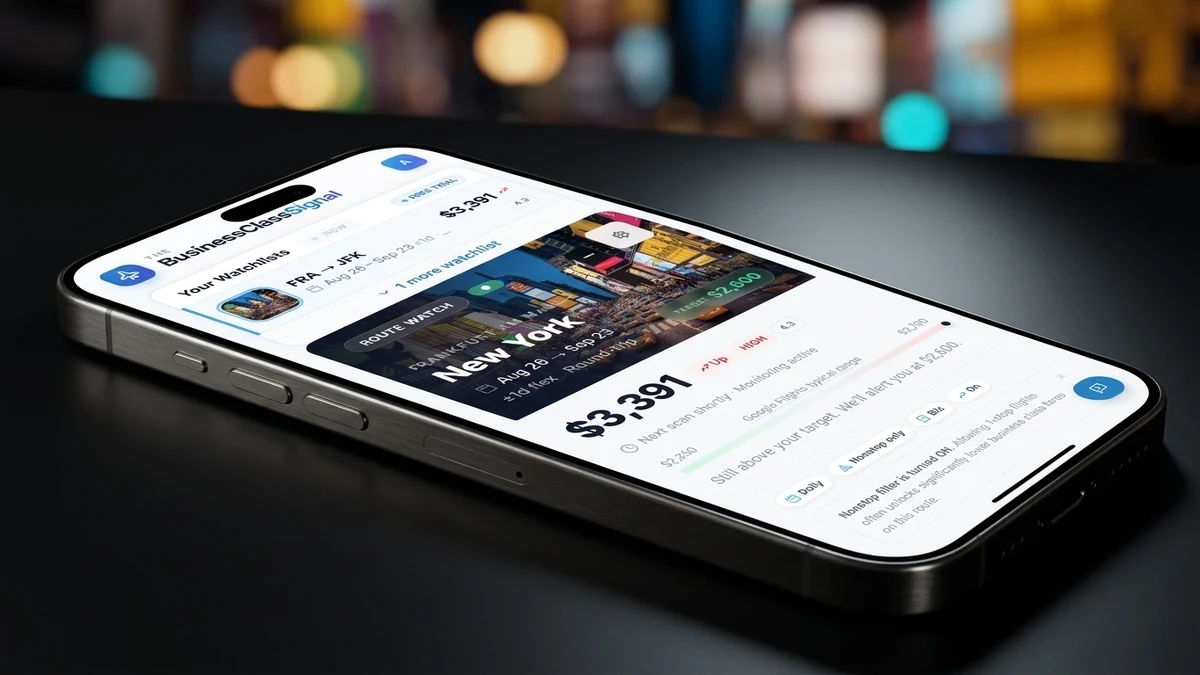
How the monitoring system works on BusinessClassSignal covers the mechanics, but the short version is that first class fare drops are rarer and shorter-lived than business class drops. When an airline discounts first class — and they do, particularly on routes where they're trying to fill the cabin — it's usually gone within hours.First class mistake fares and error fares are real. They happen more often than people think on routes between secondary cities and international hubs. If you have an alert set up for a route, you'll occasionally see first class priced at or near business class rates. Those are the moments worth jumping on.
My honest take after 200+ segments
I've been in first class on maybe 30 of my 200+ business class segments. And the ones I remember — the ones that felt genuinely worth the premium — were Singapore Suites, ANA first on the Narita to Chicago route, and one Lufthansa flight out of Frankfurt where the terminal experience alone was worth writing about.
The rest? Nice, but not the revelation people expect.
The business class product on the top five or six airlines has gotten so good over the past decade that first class has lost some of its mystique. When Qatar Qsuites gives you a closing door, a double bed, and on-demand dining, the gap between business and first is smaller than it's ever been. And the price gap has not shrunk accordingly.
So when someone asks me whether to upgrade from business to first, my first question is always: which airline? Because on Singapore or ANA, my answer is: if you can do it on a good redemption, yes, do it once. On most others, put the money toward another trip.
The business class vs first class question is ultimately about knowing where the premium is real and where it's marketing. The airlines that have genuinely invested in their first class product are worth seeking out. The ones that haven't are selling you a curtain and a better pillow.
If you want to start monitoring this route or any other long-haul corridor, BusinessClassSignal scans over 800 business and first class routes twice daily and sends you an alert when prices drop below your target. The first class alerts are genuinely useful because those windows close fast — I've seen Singapore Suites drop to $3,800 round-trip from the East Coast and be gone inside of four hours. You're not catching that manually.
Start monitoring business and first class fares — 14-day free trial, no credit card required
Try Free